
Precision Bio-Actives & Commercial Formulations
Engineered for industrial scale-up: High-purity extracts, functional peptides, enzymes, and synthetic vitamins supplied direct from factory lines with full batch certificates.
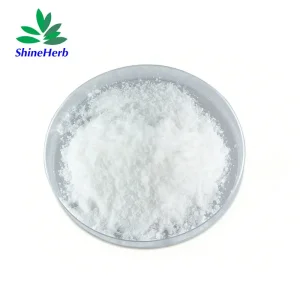
Best Wholesale Hyaluronic Acid / Sodium Hyaluronate
View Product Specs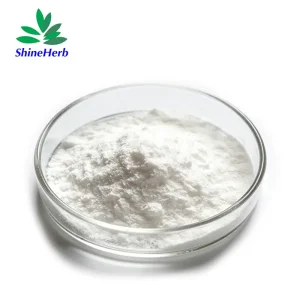
High Purity 99% Diaminopyrimidine Oxide Powder
View Product Specs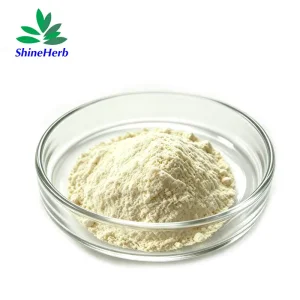
Wholesale Natural Fermented Vitamin K2 MK-7
View Product Specs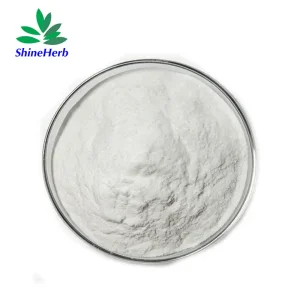
Food Grade Hmb-Ca Beta-Hydroxy-Beta-Methylbutyrate
View Product SpecsPure Dimethyl Sulfone 99% Food Grade MSM
View Product Specs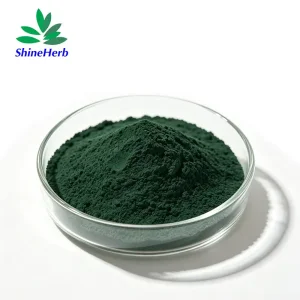
Natural Sodium Copper Chlorophyllin Powder
View Product Specs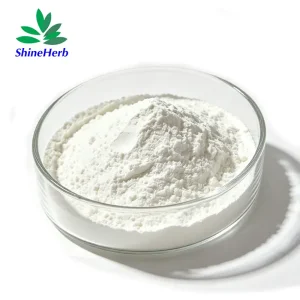
Shineherb In Stock Magnesium L-Threonate Bulk
View Product Specs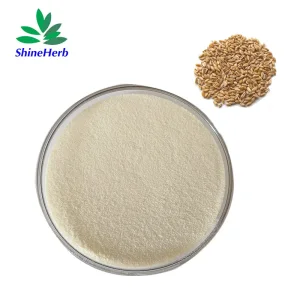
Hydrolyzed Gluten Peptide Food Grade Wheat Protein
View Product SpecsCommercial Status & Industrial Demand for Monascus Red
A technical assessment of the transition toward microbial natural colorants, regulatory safety benchmarks, and China's industrial manufacturing ecosystem.
Global Natural Pigment Shift
With tightening international constraints on artificial azo-dyes such as Allura Red AC (Red 40) and Carmoisine, corporate food brands are pivoting rapidly to natural fermentation alternatives. Monascus Red (CAS 85537-33-3) provides unmatched pH stability (pH 3 to 10) and exceptional protein-binding capability without the thermal degradation often seen in beetroot betacyanins or cabbage anthocyanins.
Advanced Citrinin Elimination
Historical obstacles surrounding mycotoxin byproduct citrinin have been resolved in modern Chinese biomanufacturing. By implementing genetic strain refinement of Monascus purpureus, continuous submerged deep fermentation, and targeted macroporous resin adsorption, leading Chinese plants guarantee Citrinin <0.04 ppm (or non-detectable by HPLC-MS/MS), compliant with stringent international regulatory demands.
Industrial Scale & Cost Parity
China accounts for more than 85% of global Monascus output. Industrial-scale bioreactor clusters (50m³ to 150m³ vessels) coupled with direct agricultural access to non-GMO raw substrate deliver unprecedented economies of scale. Global food, beverage, and cosmetic formulators leverage China's bulk pricing to lower color formulation costs by 35% compared to synthetic red dye blends.
Engineering Excellence in Chinese Monascus Fermentation
How domestic industrial integration, multi-stage filtration, and closed-loop bio-processing establish China's dominant position as the premier bulk pigment supplier.
| Performance Vector | Legacy Solid State Fermentation | Advanced Submerged Bioreactors (China Factory Modern) | Procurement Advantage |
|---|---|---|---|
| Color Value (E 1% 1cm 505nm) | Color value 1,000 – 1,500 u/g | Standardized 3,000 to 10,000+ u/g (Water-soluble / Oil-dispersible) | Ultra-concentrated dosing saves global freight & storage footprints. |
| Citrinin Content Control | Variable (<2 ppm, risk of lot batches spiking) | Controlled <0.04 mg/kg (Non-detectable by HPLC-FLD / MS) | Full international release clearance without port detention risks. |
| Thermal & pH Stability | Moderate; precipitation under acid conditions | High affinity; stable at 121°C sterilization, resilient from pH 3.0 to 10.0 | Maintains bright crimson tone through pasteurization & retort cooking. |
| Solubility Profile | Partial solubility; sedimentation in beverage mix | 100% cold water dissolving; microencapsulated lipophilic oil grade options | Clear liquid transparency in beverages, jellies, and marinades. |
| Lead Times & Lot Capacity | Unpredictable batch yields; small output per run | 50-Ton batch consistency; centralized raw material warehousing | Fast shipment turnaround under stable yearly master contracts. |
High-Performance Localized Application Scenarios
From processed meats to functional cosmetics, Monascus Red provides exceptional color retention through strong chemical bonding with amine-containing proteins.
Processed Meats & Curing
Monascus Red exhibits high binding affinity with muscle myoglobin and structural protein fractions. It is the premier clean-label substitute for sodium nitrite in Chinese sausages, Western hams, bacon, surimi, and hotdogs, providing an appetizing, cook-stable rosy tint that resists photodegradation.
Sauces, Condiments & Marinades
Traditional red bean curds, teriyaki glazes, barbecue seasonings, and oyster sauces utilize water-soluble Monascus Red because it does not precipitate across salt-dense matrices. Its stability against high salinity and prolonged fermentation ensures stable batch coloration across multi-month shelf cycles.
Beverages, Jellies & Dairy
Micro-filtered Monascus powders deliver absolute clarity in acidic and neutral soft drinks, sports electrolytes, plant-based yogurts, and fruit gelatin. Free of synthetic off-notes, it matches vibrant red strawberry, cherry, and raspberry flavor profiles without reacting with natural fruit acids.
Nutraceuticals & Cosmetics
Due to its natural fermentation origin, Monascus Red meets consumer demand for natural makeup formulations, including lipsticks, blushes, and oral capsules. Its high antioxidant baseline profile also adds functional value to cardiovascular wellness formulations and functional gummy supplements.
Emerging Trends & Corporate Supply Chain Auditing
What multinational food corporations, third-party brands, and procurement officers require when vetting Chinese Monascus factories.
Audited Certifications (ISO/HACCP/GMP)
Multinational buyers demand validated GMP manufacturing facilities alongside ISO 9001 and ISO 22000 systems. Global distribution readiness is further confirmed via HALAL, Kosher, and third-party inspection certifications from entities like SGS, Eurofins, or Intertek.
Full Traceability: Fermenter to Drum
Procurement teams require end-to-end traceability for every lot. ShineHerb guarantees transparent raw-grain authentication (non-GMO non-glutinous rice), batch-logged fermentation monitoring, in-line continuous sterilization, and validated automated drum packaging.
Custom Formulations & Microencapsulation
Modern formulators often require customized color values (1,500 to 10,000 u/g), tailored mesh particle sizing (80 to 200 mesh), and spray-dried microencapsulation to prevent oxidation in lipid-rich snack coatings and instant drink powders.
High-Purity Bio-Chemicals & Industrial Nutritionals
Consolidated direct factory shipping: Explore our fully audited portfolio of cosmetics ingredients, vitamins, amino acids, and high-performance nutritionals.
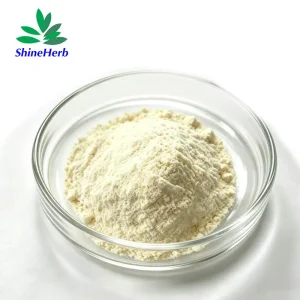
China Hot Sale Vitamin A Acetate CAS 127-47-9
View Product Specs
China Niacinamide Vitamin B3 Powder 99% Pure
View Product Specs
Wholesale Anti Wrinkle Tripeptide-29 Peptide
View Product Specs
Bulk Polydeoxyribonucleotide PDRN 99% Grade
View Product Specs
Ethyl Vanillin Powder Food Flavoring Agent
View Product Specs
Bulk Creatine Monohydrate OEM/ODM Powder
View Product Specs
Best Magnesium L-Threonate Supplement
View Product Specs
Magnesium Lactate Powder CAS 18917-93-6
View Product SpecsFrequently Asked Questions on Monascus Red Bulk Procurement
Direct answers covering product specifications, safety validation, citrinin testing protocols, minimum order thresholds, and lead times.