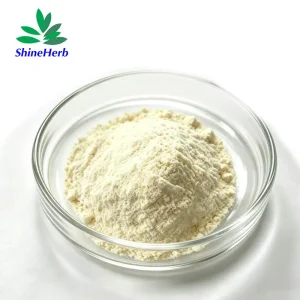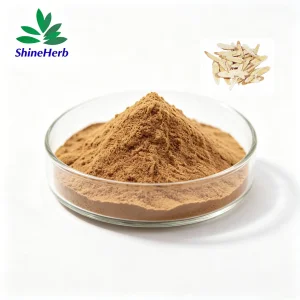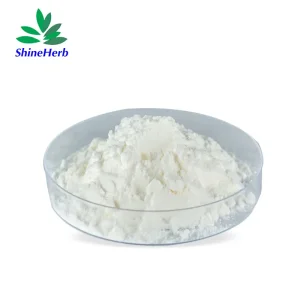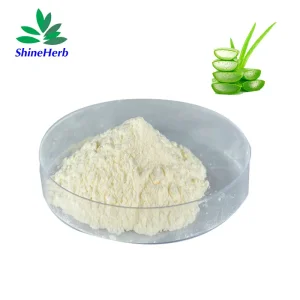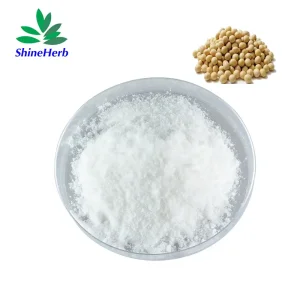
High-Quality High Quality L-Valine Powder Amino Acid Valine CAS 72-18-4 for Food Additives Manufacturers, Company
Access Technical Dossier →
Verified assay profiles, monograph compliance (USP, EP, FCC), and immediate lot availability for international supply chain pipelines.
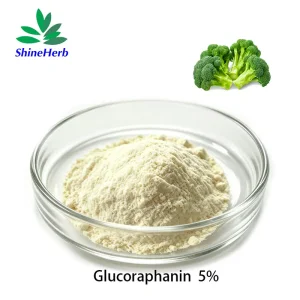
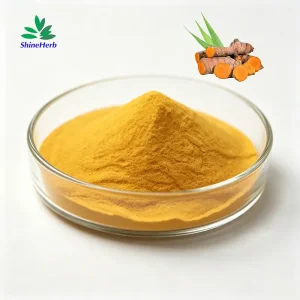
Analyzing supply chain vulnerabilities, multi-region compliance frameworks, and purity thresholds across major industrial zones.
The global trade in high-potency functional ingredients, ranging from standardized plant extracts (such as Sulforaphane precursors and Curcuminoids) to advanced biological preservatives (Natamycin) and synthesized pharmaceutical vitamins (D-Panthenol, Niacinamide), is entering a period of strict structural consolidation. Modern supply chain procurement is no longer driven strictly by spot-market price differentials; rather, it is anchored in empirical regulatory defensibility, reproducible chromatograms, and rigorous risk assessments regarding cross-contamination, residual solvents, and pesticide residues.
In North American and European markets, regulatory hurdles including FSMA (Food Safety Modernization Act), European Regulation (EC) No 396/2005 for pesticide maximum residue limits (MRLs), and strict European Pharmacopoeia (EP) monograph compliance dictate that chemical identity must be corroborated via high-performance liquid chromatography (HPLC) or gas chromatography (GC). Sourcing professionals are tasked with bypassing trading intermediaries to negotiate directly with primary synthesis plants and extraction hubs that maintain internal analytical capacity and ISO/cGMP certifications.
Global logistics corridors demand raw material suppliers with expansive dry-storage capacity and verified safety stock reserves to prevent line halts during global transit shocks.
Every lot requires full verification packs: comprehensive COAs matching primary pharmacopeias, GC-MS impurity screenings, non-GMO affidavits, TSE/BSE declarations, and allergens certification.
Formulation trends focus heavily on micronization, fine mesh powders (80 to 200 mesh), and cold-water-soluble liposomal carriers to enhance cellular assimilation in finished products.
Combining the botanical biodiversity of the Qinling Mountains with advanced continuous-flow separation technology.
China's strategic leadership in the export of active biochemical compounds—including high-potency amino acids like L-Valine and L-Alanine, botanical derivatives like Glucoraphanin and Astragaloside IV, and microbial fermentation agents like Natamycin—is the outcome of massive industrial concentration. Based in key bio-tech corridors like the Xi'an Hi-Tech Zone, manufacturing facilities integrate upstream agricultural raw material bases directly with state-of-the-art continuous extraction columns, resin column separation lines, and high-efficiency spray drying towers.
This integration eliminates seasonal yield variances and maintains cost efficiency without lowering active molecule targets. Through the implementation of digital distributed control systems (DCS), Chinese manufacturing lines precisely control solvent ratios, evaporation temperatures, and crystallization curves, minimizing thermal degradation of heat-sensitive compounds like Nattokinase and Sulforaphane.
Direct sourcing networks in adjacent cultivation zones reduce raw material transit stress and prevent harvest enzymatic decay.
Automated countercurrent extraction systems extract optimal yields while consuming less organic solvent.
In-house laboratories equipped with Agilent HPLC, Shimadzu GC, and atomic absorption spectrometers screen every run.
Dedicated dangerous-goods and non-DG export documentation systems ensure quick clearance across sea, air, and multimodal routes.
Adapting physical properties to meet demanding manufacturing tolerances in pharma, cosmetics, and functional foods.
Cosmetic chemists leverage D-Panthenol (Pro-Vitamin B5) and Niacinamide 99% for barrier restoration, micro-circulation improvement, and post-inflammatory hyperpigmentation relief. For hydrophobic systems, natural D-Alpha Tocopheryl Acetate (Vitamin E) provides oxidative stability in lipid matrices.
High-potency cellular longevity complexes require stable active compounds like Astragaloside IV, Glucoraphanin, and Sulbutiamine 99%. Joint health formulas utilize pure Glucosamine Sulfate 2KCl and MSM (Dimethyl Sulfone) to optimize cartilage elasticity and soothe connective tissue stress.
In industrial dairy, processed meat, and beverage operations, Natamycin 50% acts as a targeted, label-friendly antifungal preservative, replacing chemical sorbates. Concurrently, bio-fermentation systems utilize refined Peptone Powder as an essential nitrogen source to maximize microbial biomass and enzyme yields.
How the market is adapting to clean label expectations, green chemistry, and stricter audits.
As enterprise-level nutrition and pharmaceutical brands review their ESG commitments and compliance systems, raw material specifications are tightening. Procurement teams no longer rely solely on simple titration tests or basic identification assays. Key trends reshaping high-value ingredient sourcing include:
1. Solvent-Free and Green Extraction Technology: Traditional organic solvent systems are increasingly giving way to supercritical CO2 fluid extraction and aqueous subcritical processing. In products like Aloe Vera Freeze Dried Powder 100:1 and Beta-Sitosterol, preserving delicate polysaccharide bonds and eliminating chlorinated solvents is now a baseline expectation.
2. Supply Chain Traceability: Sourcing strategies increasingly focus on batch-specific traceability. Enterprise ERP systems require audit trails back to the harvest plot or fermentation seed-batch, accompanied by testing for ethylene oxide (ETO), polycyclic aromatic hydrocarbons (PAH4), and heavy metal traces (As, Pb, Cd, Hg) below 0.1 ppm.
Direct technical feedback covering batch qualification, international compliance, and operational workflows.
Pharmaceutical intermediates, cosmeceutical grade powders, and specialized cellular supplements ready for export.