
Featured Industrial Biotechnology Ingredients
Explore our top-tier catalog of pharmaceutical intermediates, food-grade active enzymes, and functional health ingredients engineered under stringent Good Manufacturing Practices.
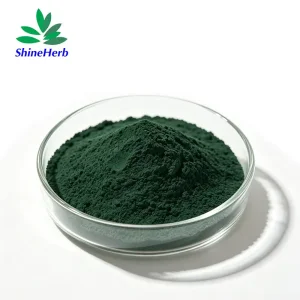
China Natural Sodium Copper Chlorophyllin Factory supply Manufacturers, Manufacturer
Inquire Specification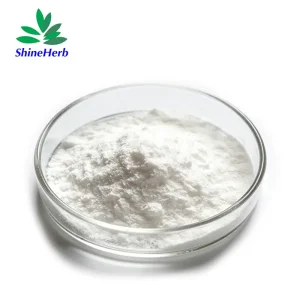
High-Quality High Purity 99% Diaminopyrimidine Oxide Powder For Anti Shedding Shampoo & Scalp Lotion Manufacturer, Company
Inquire Specification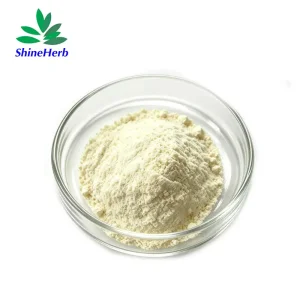
China High Quality Urolithin B CAS 1139-83-9 Anti-Aging raw materials Manufacturer, Exporter
Inquire Specification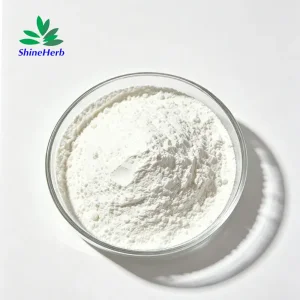
Wholesale Thiamine (Vitamin B1) Powder Supplier High purity raw material Supplier, Factories
Inquire Specification
Buy Shineherb Supply Ethyl Vanillin Powder High Quality Food Flavoring Agent Manufacturer, Company
Inquire Specification
Best Inosine Food Grade Powder CAS 58-63-9 Wholesale Exporter, Factories
Inquire Specification
Best Shineherb supply L-Cysteine Hydrochloride Anhydrous CAS 52-89-1 Dietary Ingredient Manufacturers, Manufacturer
Inquire Specification
Best High Purity D-Biotin Powder Vitamin B7 for Hair Growth & Dietary Supplement Ingredient Manufacturer, Exporter
Inquire SpecificationTechnical Monograph: Kluyveromyces lactis Neutral β-Galactosidase
An industrial-scale deep dive into the catalytic mechanism, reaction thermodynamics, and liquid preparation parameters governing modern enzymatic delactosylation.
Molecular & Catalytic Origin
Neutral Lactase Liquid (β-D-galactosidase galactohydrolase, EC 3.2.1.23) is manufactured via deep submerged aerobic fermentation using specialized non-pathogenic, non-genetically modified strains of dairy yeast Kluyveromyces lactis (formerly Saccharomyces lactis). Unlike fungal acid lactase derived from Aspergillus niger or Aspergillus oryzae tailored for acidic dietary supplements, neutral lactase exhibits an optimal enzymatic reaction window between pH 6.5 and 7.2, perfectly matching raw bovine milk, sweet dairy whey, and fortified liquid nutritional bases.
Hydrolysis Kinetics & GOS Synthesis
The catalytic conversion follows classic Michaelis-Menten kinetics with a dual metabolic mechanism. At physiological lactose concentrations (4.5%–5.2% w/v), the enzyme catalyzes the nucleophilic breakdown of the terminal non-reducing β-D-galactose residue yielding equimolar monomers: D-glucose and D-galactose. Simultaneously, the transgalactosylation side-pathway produces prebiotic galacto-oligosaccharides (GOS), improving gut microbial health and elevating natural milk sweetness without artificial sucrose addition.
Thermodynamic & Cold-Chain Profile
Our proprietary liquid formulation is engineered for two critical dairy engineering pathways: Cold Hydrolysis (Batch-at-chilled) running at 4°C to 8°C over 16–24 hours preventing psychrotrophic bacterial growth; and Short-time Continuous In-line Inoculation at 35°C to 40°C prior to final thermal flash. Complete enzyme inactivation is guaranteed during standard UHT pasteurization (≥138°C for 4s) or HTST pasteurization (72°C–75°C for 15s), preventing unwanted residual enzymatic activity post-bottling.
| Analytical Parameter | Certified Grade Specification | Testing Monograph / Method | Industrial Quality Relevance |
|---|---|---|---|
| Enzymatic Activity Rating | 50,000 NLU/g – 65,000 NLU/g (Liquid) | FCC IV / JECFA β-Galactosidase Assay | High concentration minimizes required in-feed volumetric dosing |
| Physical Appearance & Form | Clear to light amber, odor-neutral aqueous solution | Organoleptic / Visual Evaluation | Zero adverse color, off-flavor, or turbidity shift in pure white milk |
| pH Operational Window | Optimum 6.6 – 7.0 (Functional 6.0 – 7.8) | Potentiometric Electrode at 25°C | Optimized explicitly for neutral mammalian dairy substrate matrix |
| Side Activity: Protease | Not detectable (< 0.05 AU/g) | Azo-casein Digestion Photometry | Crucial: Completely eliminates protein gelation and age-related bitterness |
| Side Activity: Amylase | Not detectable (< 0.10 U/g) | Starch Iodine Spectrophotometry | Prevents premature carbohydrate decomposition in flavored beverages |
| Heavy Metals (Pb, As, Cd, Hg) | Total < 10.0 mg/kg (Pb < 1.0 mg/kg) | ICP-MS Inductively Coupled Plasma Mass | Full compliance with stringent global infant formula guidelines |
| Microbiological Bio-burden | Total Plate Count < 1,000 CFU/mL; Coliforms < 10 | ISO 4833-1 / AOAC Official Methods | Aseptic sterile-fill validation ensuring maximum micro stability |
Navigating Global Procurement Demands & Quality Risks
Key decision metrics for global dairy corporations, contract manufacturers, and procurement directors evaluating supplier vulnerability and raw material integrity.
Side Protease Gelation
The most common industrial failure in UHT lactose-free milk is bitter taste formation and "sweet curdling" (enzymatic gelation) over extended shelf lives. Substandard lactase preparations contain trace host-cell endopeptidases. Our ultrafiltration chromatography ensures 100% non-detectable protease levels, securing 9 to 12 months ambient storage stability.
Thermal & Carrier Stability
Enzymes are delicate biological polymers prone to irreversible denaturation during international multimodal transit. We formulate our liquid neutral lactase in pharmaceutical grade glycerol carriers with food-grade buffering salts, maintaining >96% active catalytic potency even under moderate ambient shifts during global logistics.
Ultra-Low Dosage Efficacy
Modern high-speed Tetra Pak aseptic packaging plants require ultra-concentrated formulations (≥50,000 NLU/g) suitable for micro-dosing systems (e.g., Tetra Pak Aseptic Dosing Unit). This reduces dosing volume to 0.15–0.35 mL per liter of milk, drastically slashing direct manufacturing raw-material costs.
Sterile Aseptic Compliance
Liquid enzymes added post-sterilization or into pre-pasteurization storage tanks must meet near-zero microbial contamination thresholds. Every batch is membrane filtered at 0.22 microns and packaged in Class 10,000 cleanroom environments, guaranteeing freedom from pathogenic microorganisms and yeast/mold spores.
China Factory Advantage: Fermentation Scalability & Cost Leadership
Combining vertical upstream fermentation infrastructure, cutting-edge separation columns, and unyielding export documentation to supply Tier-1 global food conglomerates.
Fully Automated Bioreactor Arrays
Our primary manufacturing facility operates 120,000-liter computerized stainless-steel fermenters integrated with real-time dissolved oxygen (DO), carbon feed, and pH controls. This guarantees maximum cellular enzyme yield, unmatched batch-to-batch catalytic reproducibility, and exceptional volumetric productivity that insulates buyers against international supply shocks.
Downstream Purification Tech
We leverage 4-stage cross-flow membrane ultrafiltration combined with selective ion-exchange resin columns. This rigorous cascade purifies the β-galactosidase enzyme protein while systematically stripping out low-molecular-weight yeast cellular debris, non-target peptides, and trace colorants, achieving a crystal-pure liquid finish.
Robust End-to-End Cold-Chain
From factory cleanrooms in Xi'an through air-cargo freight to Rotterdam, Chicago, or Singapore, we enforce unbroken refrigerated logistics (2°C–8°C). Packaging includes food-grade, nitrogen-purged 25kg HDPE containers and 1,000kg IBC totes outfitted with calibrated digital temperature data loggers for seamless shipment acceptance.
Lactose Breakdown Yield
Detectable Protease Side-Activity
Export Destination Markets
Guaranteed Shelf-Life At 4°C
Compliance, Safety Dossiers & Localized Regulatory Support
Streamline internal QA audits and speed up regional market registrations with exhaustive international food additive documentation.
North America: FDA GRAS & FCC
Our Neutral Lactase Liquid is recognized as Generally Recognized as Safe (GRAS) under 21 CFR regulations for direct food addition. Fully compliant with Food Chemicals Codex (FCC) purity criteria, supporting clean-label formulations and "lactose-free" or "reduced-lactose" dairy packaging claims verified under US FDA regulatory standards.
European Union: EFSA & Clean Label
Produced strictly from non-pathogenic, toxigenically safe microbial production strains in adherence with EFSA safety guidance on food enzymes. Since lactase functions as a processing aid denatured during final thermal milk processing, it qualifies for non-additive, clean-label dairy branding across all EU member states.
Global Halal, Kosher & ISO Standards
Fully certified under internationally accredited MUI/JAKIM Halal and Kosher Pareve bodies, unlocking massive consumer demographics throughout the Middle East, Southeast Asia, and North America. Supported by an enterprise-wide ISO 9001:2015, ISO 22000, and HACCP certified food-safety management infrastructure.
Application Playbook: Industrial Integration Scenarios
Optimized operating windows, temperature profiles, and dosage guidelines across the full spectrum of high-volume dairy processing operations.
Fresh Pasteurized (ESL) Milk
Applied in batch agitation holding silos prior to pasteurization. Operating under chilled cold storage (4°C–6°C) for 18–24 hours with an optimal dosage of 0.40–0.70 mL/L ensures residual lactose content drops below 0.01% (zero-lactose standard) while preventing bacterial microbial spoilage.
Aseptic In-Line UHT Dosing
Direct micro-injection of sterile filtered Neutral Lactase Liquid into pre-sterilized UHT milk immediately ahead of aseptic carton packaging. Hydrolysis unfolds safely inside the carton during warehouse storage (20°C–25°C) over 7–10 days, cutting plant tank residency times and refrigeration utility bills.
Yogurt, Greek Yogurt & Kefir
Introduced simultaneously with starter cultures at 38°C–42°C. Delactosylation accelerates lactic acid fermentation speed, cuts post-acidification during shelf-life, and generates natural monosaccharides that allow dairy formulators to reduce added cane sugar by 15%–25% without compromising palatability.
Ice Cream & Sweetened Dairy
Neutral Lactase Liquid hydrolyzes milk solids during mix aging, mitigating lactose crystallization (the dreaded "sandiness" defect) in hard-packed ice cream. Enhances melting resistance, elevates scoopability texture, and intensifies creamy butterfat flavor profiles naturally.
Technological Frontiers in Lactase Bio-Manufacturing
How molecular engineering, AI strain optimization, and immobilization reactors are revolutionizing lactose-free dairy economics over the coming decade.
Immobilized Enzyme Bioreactors (EBR)
The dairy sector is actively transitioning from single-use soluble dosing to continuous immobilized lactase column systems. By fixing neutral β-galactosidase onto food-grade macroporous silica or chitosan matrices, processors run continuous streams of skim milk or sweet whey through reactor beds. This cuts operational enzyme expenditures by up to 70% while preventing any enzyme residues from entering the finished beverage stream.
Directed Evolution for Cryo-Activity
Through computational protein engineering and directed mutagenesis, next-generation neutral lactases demonstrate elevated catalytic efficiency at ultra-cold storage conditions (2°C–4°C). Accelerating catalytic conversion rates under cold-chain conditions cuts holding silo tank time from 24 hours down to less than 6 hours, safeguarding fresh dairy quality and improving plant inventory turnover.
Decarbonized Dairy Processing
Enzymatic delactosylation offers an attractive low-carbon alternative to membrane ultrafiltration (UF) delactosing. By eliminating high-pressure pumps and significant wastewater wash volumes associated with UF equipment, deploying highly active Neutral Lactase Liquid trims the factory carbon footprint by up to 34% per metric ton of processed lactose-free milk.
Frequently Asked Questions for Technical & Sourcing Teams
Clear, monograph-referenced answers directly from our fermentation scientists and regulatory compliance specialists.
What is the explicit difference between NLU and ALU activity units?
NLU (Neutral Lactase Unit) measures enzyme activity under neutral pH conditions (pH 6.5–7.0) at 30°C using ONPG (o-nitrophenyl-β-D-galactopyranoside) as the substrate, standard for Kluyveromyces lactis. Conversely, ALU (Acid Lactase Unit) is measured at pH 4.5 and is reserved exclusively for fungal acid lactases (Aspergillus) used in nutritional tablets and capsules. Comparing NLU to ALU directly on a 1:1 basis is biochemically invalid due to distinct substrate affinities and reaction kinetics.
How does your factory guarantee absolute zero protease contamination?
We employ a proprietary multi-stage chromatographic separation step following primary cell harvest. Every commercial production batch is submitted to ultra-sensitive photometric azo-casein digestion assay controls with a limit of detection below 0.05 AU/g. Batches displaying even baseline traces of non-specific host-cell protease are quarantined, preventing post-processing protein coagulation in long-shelf-life UHT milk.
Can Neutral Lactase Liquid be dosed prior to standard HTST pasteurization?
Yes. In typical dairy configurations, lactase is dosed directly into raw or standardized milk held in storage silos at 4°C to 8°C for 16 to 24 hours. Once delactosylation reaches target thresholds (<0.1% or <0.01% lactose), the milk passes through continuous HTST pasteurization (72°C–75°C for 15s), which thermally denatures and fully inactivates the enzyme, stabilizing the flavor and nutritional profile.
What documentation accompanies each international export shipment?
Each shipment is released with a lot-specific analytical Certificate of Analysis (COA) detailing enzymatic potency (NLU/g), density, micro-burden, and heavy metals. In addition, we furnish a comprehensive Technical Data Sheet (TDS), Safety Data Sheet (SDS / MSDS), GMO-Free statement, Allergen declaration, BSE/TSE-Free attestation, and certified Halal and Kosher batch verification certificates.
What is the recommended storage temperature and verified shelf-life?
Neutral Lactase Liquid should be stored unopened under refrigerated conditions between 2°C and 8°C, protected from direct sunlight in its original food-grade sealed HDPE containers. Under these parameters, the product retains ≥95% of its certified initial enzymatic activity for a full 24 months from the manufacturing release date. Freezing is strictly discouraged as ice crystal formation damages tertiary protein folds.
Can you provide custom activity concentrations or OEM private labeling?
Yes. While our primary standard export concentration is 50,000 NLU/g, our factory supports custom standardizations ranging from 10,000 NLU/g up to 65,000 NLU/g to align with existing automated dosing machinery calibration. OEM container options include 1kg sample bottles, 25kg UN-rated drums, and 1,000kg aseptic composite IBC totes labeled under your proprietary brand specifications.
Complementary Fine Chemicals & Botanical Actives
Streamline raw material procurement through our integrated supply chain spanning peptides, functional vitamins, and high-potency standardized botanical extracts.
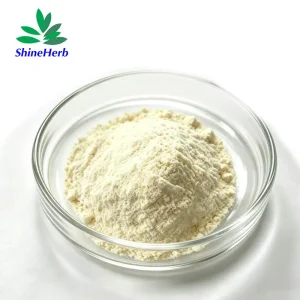
China Natural Vitamin E Acetate 98% D-Alpha Tocopheryl Acetate for skin care Company, Factory
Inquire Specification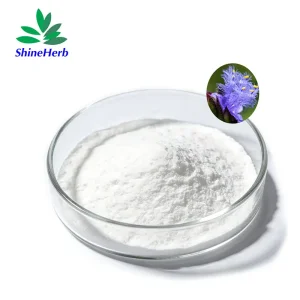
Wholesale Bulk Natural Ecdysterone / 20-Hydroxyecdysone Raw Material for Sports Supplements Companies, Exporters
Inquire Specification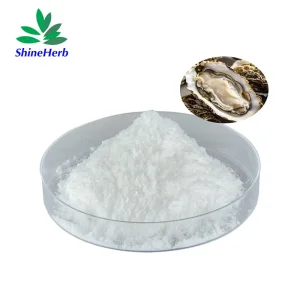
Best Factory Supply Oyster Peptide Food Grade Bulk wholesale Manufacturers, Exporter
Inquire Specification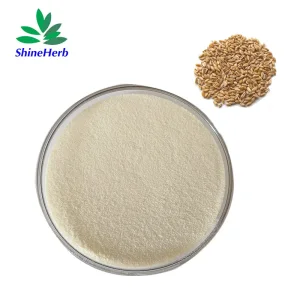
Wholesale Hot Sale Hydrolyzed Gluten Peptide Food Grade Wheat Protein Peptide Wholesale Exporter, Factories
Inquire Specification
High-Quality Food Grade Natamycin 50% Natural Antifungal Preservative Powder | Shineherb biotech Supplier, Factories
Inquire Specification
Wholesale Riboflavin /Vitamin B2 Raw Material Powder Food Grade Companies, Company
Inquire Specification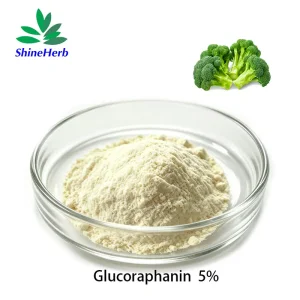
China Manufacturer Supply Broccoli Seed Extract Natural Glucoraphanin Sulforaphane Manufacturer, Suppliers
Inquire Specification
Wholesale USP Grade Calcium L-5-Methyltetrahydrofolate L-5-MTHF for Dietary Supplements Suppliers, Companies
Inquire Specification