High-Purity Active Ingredients & Specialized Compounds
Explore our export-certified bulk ingredients, produced under strict cGMP protocols and verified through HPLC/UV testing monographs.
Buy Cephalotaxine 98% Powder CAS 24316-19-6 Manufacturer Manufacturer, Companies
Inquire Specification
Best Feed Grade Glycocyamine CAS 352-97-6 Guanidineacetic Acid supplier Suppliers, Supplier
Inquire Specification
Wholesale Food Grade Disodium Succinate FCC Standard Natural Umami Booster Companies, Factories
Inquire Specification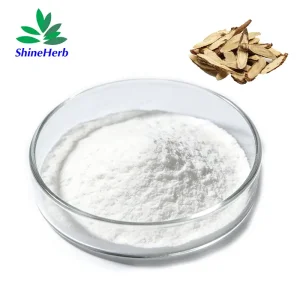
Best Dipotassium Glycyrrhizinate Cosmetic Ingredient wholesale Suppliers, Companies
Inquire Specification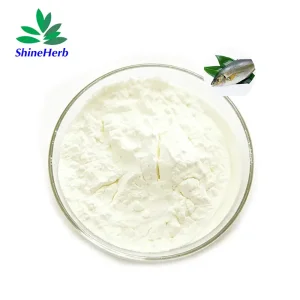
Wholesale High quality collagen peptide Hydrolyzed Fish Collagen Peptide/Bovine collagen/ Marine Collagen Manufacturers, Company
Inquire Specification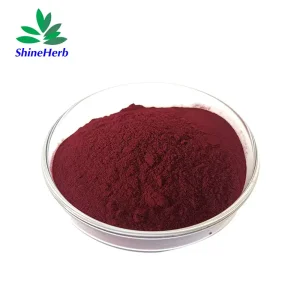
Buy Shineherb High Quality Food Grade Vitamin B12 Cyanocobalamin Powder Manufacturer, Suppliers
Inquire Specification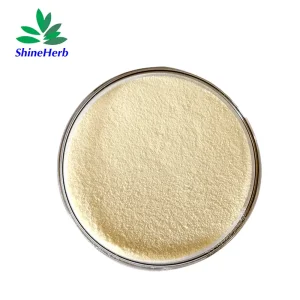
Wholesale Dl-Methionine Bulk Supply Amino Acid Feed Additive Exporters, Factories
Inquire Specification
High-Quality High Purity 99% Diaminopyrimidine Oxide Powder For Anti Shedding Shampoo & Scalp Lotion Manufacturer, Company
Inquire SpecificationBiological Characteristics & Proteolytic Profile of Lactobacillus helveticus
A rigorous biochemical examination of homofermentative lactic acid bacterium genetics, proteolytic enzyme systems, and metabolic mechanisms.
Taxonomical Monograph & Phenotypic Distinctives
Lactobacillus helveticus is a rod-shaped, Gram-positive, non-spore-forming, homofermentative lactic acid bacterium (LAB) historically isolated from Swiss-type dairy ecosystems. As a prominent thermophilic starter and functional probiotic species, L. helveticus displays an optimal growth range of 42°C to 45°C. Biochemically, it exclusively ferments hexoses through the homofermentative Embden-Meyerhof-Parnas (EMP) pathway, converting available carbohydrates into D(-) and L(+) lactic acid isomers without gaseous CO₂ by-products.
Unlike mesophilic lactobacilli, Lactobacillus helveticus possesses the most comprehensive and hyper-efficient proteolytic system among industrial dairy microflora. This specialized cellular machinery is anchored by surface-associated cell-envelope proteinases (CEPs, notably PrtH, PrtH2, PrtH3, and PrtH4 paralogs), an extensive array of oligopeptide transport systems (Opp), and more than 20 distinct intracellular peptidases. This multi-enzymatic cascade hydrolyzes intact casein micelles (αs1-, αs2-, β-, and κ-casein) into short bioavailable oligopeptides and free amino acids.
ACE-Inhibitory Tripeptides
Cellular proteolysis releases potent Angiotensin-Converting Enzyme (ACE) inhibitory tripeptides—specifically Val-Pro-Pro (VPP) and Ile-Pro-Pro (IPP). These peptides demonstrate high bio-accessibility across human intestinal epithelium, playing an established role in vascular elasticity and blood pressure management formulations.
Neuroactive GABA Generation
Specific L. helveticus industrial strains carry functional glutamate decarboxylase (GAD) operons. During fermentation, this enzyme converts L-glutamate into Gamma-Aminobutyric Acid (GABA), establishing L. helveticus as a foundational candidate for gut-brain axis, sleep modulation, and cognitive calm formulations.
Helveticin Antimicrobial Toxins
The strain synthesizes high-molecular-weight class III bacteriocins, such as Helveticin J and Helveticin V. These ribosomally synthesized antimicrobial peptides selectively neutralize competing pathogens (including Listeria monocytogenes and enteric pathogens) without triggering broad dysbiosis.
| Analytical Parameter | Wholesale Export Standard (Standard Grade) | High-Potency Technical Grade | Testing Monograph |
|---|---|---|---|
| Viable Cell Count (CFU/g) | ≥ 1.0 × 10¹¹ CFU/g (100 Billion) | ≥ 5.0 × 10¹¹ CFU/g (500 Billion) | ISO 7889 / IDF 117 (Plate Count) |
| Viability Verification | Total Active Fluorescent Units (AFU) | Total Active Fluorescent Units (AFU) | ISO 19344 / IDF 232 (Flow Cytometry) |
| Loss on Drying (Moisture) | ≤ 5.0% w/w | ≤ 4.0% w/w | USP <731> Infrared / Vacuum Oven |
| Total Heavy Metals (as Pb) | ≤ 10.0 ppm | ≤ 5.0 ppm (Pb <0.5, Cd <0.2, As <0.5, Hg <0.1) | ICP-MS Method (USP <233>) |
| Microbiological Purity | Coliforms <10 CFU/g; Yeasts & Molds <50 CFU/g | Absence of Pathogens (Salmonella, Listeria) | FDA BAM / EP 2.6.12 & 2.6.13 |
Global Commercial & Industrial Landscape
Analyzing shifting supply dynamics, regulatory demands, and application patterns across Europe, North America, and emerging markets.
North American Supplement Market
Demand in the United States and Canada has transitioned toward psychobiotics and gut-brain axis formulas. Brands routinely blend Lactobacillus helveticus with Bifidobacterium longum in targeted stress-relief, cognitive health, and maternal wellness dietary supplements. This shift demands exceptional batch-to-batch shelf-life viability under ambient room-temperature storage.
European Cheese & Dairy Sector
In Italy, Switzerland, and France, bulk industrial L. helveticus is indispensable for hard cheese manufacturing (e.g., Grana, Parmesan, Emmental). Its vigorous peptidase complex rapidly hydrolyzes hydrophobic bitter peptides into savory glutamyl-peptides, reducing ripening times by up to 25% while stabilizing flavor profiles.
APAC Functional Food Influx
East Asian and Southeast Asian manufacturers are integrating stabilized L. helveticus powders into functional RTD powder mixes, fermented plant bases (soy, almond, oat), and shelf-stable postbiotic beverages. The region values cost efficiency, custom viable cell concentrates, and full Kosher/Halal cross-certification.
China Factory Supply Chain Resilience & Efficiency Advantages
Combining modern industrial fermentation engineering with rigorous cold-chain logistics to secure competitive advantage for global importers.
50m³ Deep-Tank Fermentation
Automated continuous liquid-state bio-reactors equipped with digital SCADA control loops monitor dissolved oxygen, agitation torque, and ammonia feed rates to maximize cellular biomass yield without sub-lethal stress.
Multi-Stage Cryoprotectant Matrix
Prior to freeze-drying, bacterial harvests are blended into a customized glass-matrix formulation of pharmaceutical-grade trehalose, sodium glutamate, and prebiotic oligosaccharides to prevent membrane puncture during ice crystallization.
Continuous Centrifugal Harvesting
High-capacity disc-stack centrifuges operate under low-temperature laminar purge (4°C), achieving >98.5% bacterial recovery efficiency while eliminating cellular shear stress and keeping cell membranes intact.
Unbroken Export Cold-Chain
Bulk shipments feature multi-layer barrier foil liners with desiccant buffers, vacuum sealing, and temperature-controlled reefer containers or dry-ice air express dispatch from Qingdao, Shanghai, and Xi'an air hubs.
Targeted Industrial Application Scenarios
Formulation strategies and processing windows tailored to diverse sector requirements.
1. Synbiotic Dietary Supplements
Supplied as free-flowing, non-clumping powder with water activity (aw) controlled strictly below 0.15. Perfect for direct capsule filling (HPMC, pullulan, gelatin), two-piece stick-pack sachets, and microencapsulated chewable tablets. Retains viability when combined with prebiotics such as FOS, inulin, and resistant dextrin.
2. High-Tech Cheese Cultures
Used as an adjunct starter culture to accelerate curd proteolysis in Cheddar, Gouda, and Provolone. Its distinct aminopeptidases (PepN, PepX) hydrolyze hydrophobic peptides that cause undesirable bitterness during aging, resulting in cleaner, nuttier, umami-rich flavor profiles and reduced warehouse holding costs.
3. Plant-Based Protein Fermentation
Overcomes sensory off-notes in pea, soy, and faba bean protein slurries. Lactobacillus helveticus fermentation breaks down hexanal and beany volatile aldehydes while cleaving phytates, improving plant protein digestibility, micronutrient bioavailability, and clean-label appeal.
4. Ready-to-Mix Beverage Powders
Optimized for instantaneous dispersion in cold aqueous matrices without clumping or premature sedimentation. Suitable for meal replacement shakes, athletic recovery hydration powders, and instant fermented latte mixes.
5. Infant & Toddler Nutrition Formulations
Supports gut colonization and immune maturation in early life nutrition. Meets strict contaminant monographs for infant-grade raw materials (absence of Cronobacter sakazakii, stringent aflatoxin limits, zero non-intentional additives).
6. High-Efficacy Animal Health & Aquafeed
Stabilized feed-grade strains for swine nursery rations, poultry intestinal integrity, and juvenile shrimp aquaculture. Outcompetes Vibrio and E. coli, stimulates mucosal sIgA secretion, and reduces dependence on antibiotic growth promoters.
Technical Roadmap & Future Engineering Horizons
Strategic R&D initiatives advancing probiotic stability, non-viable biological activities, and computational genomics.
Dual-Phase Microencapsulation
Our lab has commercialized fluid-bed lipid and sodium alginate core-shell microencapsulation. This protective coating allows Lactobacillus helveticus to pass unharmed through low-pH stomach acid (pH 1.5–2.0) and bile salts, achieving >92% targeted release in the upper duodenum.
Paraprobiotics & Postbiotics
For shelf-stable RTD canned beverages, baking, and hot confections, our specialized heat-inactivated L. helveticus postbiotic maintains intact lipoteichoic acids, muramyl dipeptides, and peptidoglycan cell walls. It delivers proven immune-priming activity without requiring cold storage.
Whole-Genome Safety Profiling
Every commercial production master cell bank undergoes full next-generation whole-genome sequencing (NGS). Genomic pipelines confirm the absence of transferable antimicrobial resistance (AMR) plasmids, vancomycin resistance loci (vanA/vanB), and undesirable biogenic amine decarboxylase genes.
Export Regulatory Dossiers & Compliance Safeguards
Complete regulatory documentation and global quality certifications ensuring frictionless import clearance for institutional buyers.
Batch-Specific COA
Every shipment includes an authenticated Certificate of Analysis confirming live cell counts, water activity, heavy metals (ICP-MS), and negative test results for yeast, mold, and pathogens.
FDA & FSMA Alignment
Our production facilities operate under full FDA Food Facility Registration and cGMP 21 CFR Part 111 / Part 117 compliance, supporting US dietary supplement brand qualification.
EFSA QPS & Novel Food
Lactobacillus helveticus maintains Qualified Presumption of Safety (QPS) status within the European Union, facilitating streamlined novel food import authorization and registration.
Halal, Kosher & Non-GMO
Our fermentation growth media utilize 100% vegetarian, animal-free feedstocks certified by internationally recognized Islamic and Rabbinical bodies, alongside strict non-GMO documentation.
Frequently Asked Questions for B2B Importers
Detailed technical, logistical, and commercial answers for formulators, sourcing agents, and QA directors.
What standard potencies (CFU/g) are available for bulk wholesale orders?
How is live probiotic viability maintained during cross-border sea and air transit?
What documentation is included with each commercial export lot?
Can you manufacture custom synbiotic blends or contract formulations?
What are the recommended storage parameters and tested shelf-life limits?
What is your Minimum Order Quantity (MOQ) and sample evaluation policy?
High-Activity Nutritional, Vitamin & Cosmetic Intermediates
Broaden your procurement pipeline with our certified botanical extracts, pharmaceutical ingredients, and premium nutritional raw materials.
High-Quality Ergothioneine(EGT)L-Ergothioneine Anti-Aging Ingredient Manufacturers, Exporter
Inquire Specification
Wholesale High EPA DHA Omega Fish Oil Microcapsule Powder Wholesale Company, Exporter
Inquire Specification
High-Quality Wholesale Alpha Arbutin 99% Cosmetic Raw Materials Manufacturers, Factories
Inquire Specification
High-Quality Biotin Powder 99% High Purity Vitamin B7 for food additive Exporters, Factory
Inquire Specification
Buy Cosmetic Grade Tranexamic Acid Powder CAS1197-18-8 Skin Brightening Raw Material Manufacturers, Exporters
Inquire Specification
Wholesale Factory Supply High Purity D-chiro Inositol Extract DCI Raw Material Manufacturer, Factories
Inquire Specification
China Natural Beta Alanine Powder CAS 107-95-9 Manufacturer Exporters, Factories
Inquire Specification