Verified Nutraceutical & Functional Raw Materials
Direct supply pipeline manufactured under strict pharmacopeia monographs and ISO/GMP compliance frameworks.
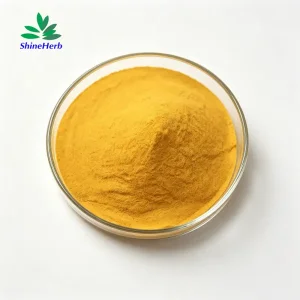
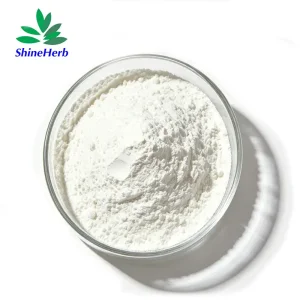
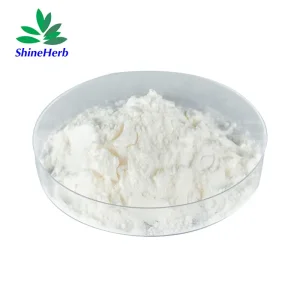
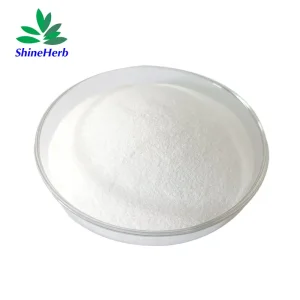
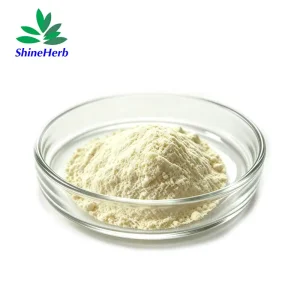
Global Commercial Landscape of Freeze Dried Honey Powder
Bridging natural functional apiculture and high-speed modern manufacturing through thermodynamic sublimation engineering.
E-E-A-T Technical Benchmark: Lyophilization vs. Spray-Drying
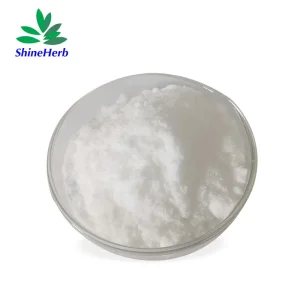
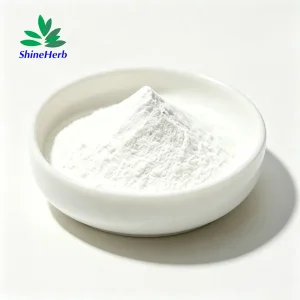
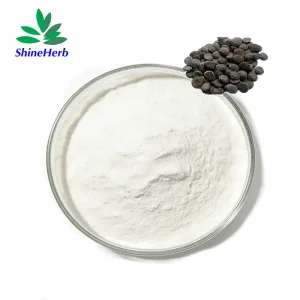
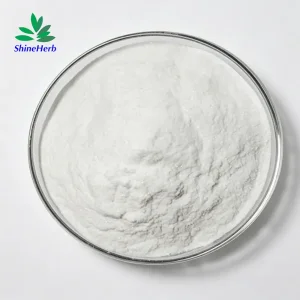
Traditional industrial dehydrated honey relies heavily on high-temperature spray drying, which inevitably demands 40%–60% added carriers (such as high-DE maltodextrin) to mitigate caramelization and sticky glass-transition temperatures (Tg). In contrast, China’s next-generation freeze dried honey powder (FDHP) leverages vacuum lyophilization below the eutectic point (-42°C), eliminating thermal degradation and yielding a true free-flowing, high-potency dry powder with up to 70%–85% pure honey solids while safeguarding delicate amylase, diastase, glucose oxidase, and natural aromatic esters.
Global Market Equilibrium
The global dehydrated honey market is projected to surpass USD 1.8 billion by 2032, driven by consumer repudiation of synthetic sweeteners and refined high-fructose corn syrups (HFCS). North American and European manufacturers increasingly mandate functional sweeteners that offer clean-label claims, natural enzymatic profiles, and consistent hygroscopic stability for dry mixes and nutricosmetics.
Supply Chain Hegemony of China
As the world's leading producer and exporter of natural apiculture raw materials, China combines extensive multi-floral and single-nectar botanical bases (Acacia, Vitex, Linden, Citrus) with advanced industrial-scale pharmaceutical freeze-drying chambers. This vertical integration allows Chinese suppliers to deliver unrivaled batch homogeneity, competitive pricing, and rigorous control over antibiotic residues and C4 sugar adulteration.
Clean-Label Reformulation Driver
Formulators in functional beverages, sports hydration, and dietary supplements face major operational hurdles using liquid raw honey: sticky tank clean-ups, crystallization, high viscosity during cold batching, and microbial instability due to variable free moisture. Freeze dried honey powder resolves viscosity bottlenecks, acting as a direct drop-in functional dry carbohydrate with authentic honey taste and natural humectant properties.
Engineering Paradigms & Future Processing Vectors
How leading Chinese exporters solve low glass-transition temperatures, hygroscopicity, and bioactivity preservation.
Cryogenic Micro-Crystallization
Raw honey comprises predominantly monosaccharides—fructose (~38%) and glucose (~31%)—giving it a uniquely low glass transition temperature (Tg ≈ -40°C to -50°C). Cutting-edge Chinese lyophilization facilities utilize flash cryogenic freezing at -50°C with nitrogen blanketing, encouraging micro-ice crystal morphology that preserves structural pore networks, enabling instant water solubility upon dry rehydration.
Clean-Label Carrier Evolution
Market demand has shifted dramatically away from GMO-derived maltodextrins. Leading exporters now utilize novel functional encapsulation matrices, including non-GMO tapioca fiber, organic gum acacia, resistant dextrins, and native pea starch. These matrices ensure free-flowing caking resistance while preserving a >80% active honey dry solid loading for premium nutraceutical labels.
AI-Controlled Sublimation Dynamics
Next-generation freeze-drying chambers incorporate artificial intelligence sensor arrays for real-time mass spectrometry monitoring. By precisely balancing shelf heating against vacuum pressure (typically 0.05 to 0.15 mbar), the sublimation cycle avoids collapsing the fragile sugar matrix, completely preventing the scorching and Maillard discoloration common to spray drying.
| Analytical Parameter | Standard Spray Dried Honey | Premium Freeze Dried Honey Powder (FDHP) | Regulatory Verification Method |
|---|---|---|---|
| Honey Solids Content | 35% – 50% max | 70% – 85% pure honey solids | Brix Refractometry & HPLC |
| Diastase & Amylase Activity | Inactivated / Non-detectable | Retained ≥ 8.0 Schade Units | Ph. Eur. / AOAC Monograph |
| Thermal Exposure Profile | High inlet temp (140°C – 180°C) | Sub-zero sublimation (≤ -35°C) | Process Thermal Data Logging |
| Volatile Aromatic Retention | < 20% (Aroma loss, burnt notes) | > 92% (Authentic floral bouquets) | GC-MS Volatile Profiling |
| Residual Moisture | 4.0% – 6.0% | < 2.5% ultra-low moisture | Karl Fischer Titration |
| Carrier Options | Conventional Corn Maltodextrin | Tapioca Fiber, Acacia, Pea Starch, Non-GMO | PCR GMO Testing / Supply Audit |
Industrial Application Scenarios & Formulation Versatility
Engineered for high-throughput batching across nutraceutical, cosmetic, culinary, and dietary formats.
Sports & Hydration Dry Mixes
Provides an optimal 1:1.2 glucose-to-fructose ratio for dual-pathway carbohydrate absorption, speeding glycogen replenishment without gastrointestinal distress. Instantly soluble in cold water without clump formation.
Tableting & Sachet Packaging
Its uniform crystalline particle size (typically 60 to 100 mesh) makes it an exceptional direct-compression excipient. It integrates smoothly into chewable lozenges, effervescent immunity sticks, and dry powdered herbal teas.
Clean-Label Baked Goods
Delivers natural humectant properties that maintain crumb freshness, extend shelf life, and provide attractive surface browning through mild caramelization during baking, while listing simply as "Honey" on retail labels.
Nutricosmetics & Skincare
Preserves native flavonoids (pinocembrin, chrysin) and defensin-1 peptides. Commonly utilized in waterless powder face cleansers, probiotic peel-off masks, and anti-pollution topical formulations for its natural antimicrobial benefits.
Macro-Supply Solutions for Global Procurement Teams
End-to-end quality assurance, multi-regional compliance, and container-level reliability from China.
NMR Origin & Purity Verification
Every raw honey batch undergoes Nuclear Magnetic Resonance (NMR) testing, EA-IRMS carbon isotope testing (AOAC 998.12), and LC-HRMS screening to certify 0% extraneous syrups (corn, cane, beet, or rice syrup) and zero pesticide or antibiotic residues (Chloramphenicol, Nitrofurans, Fluoroquinolones < limit of detection).
Direct-Harvest Traceability
Raw honey is gathered through digitized apiary alliances across eco-certified flora reserves throughout Shaanxi, Zhejiang, and Sichuan provinces. Each drum carries a digital QR tracking passport recording harvest date, floral genus, moisture level, and beekeeper lot numbers before advancing to clarification and freeze drying.
Barrier Packaging & Ocean Logistics
Because freeze dried powders are inherently hygroscopic, our standard export unit uses multi-layer hermetic aluminum foil liners purged with food-grade nitrogen gas, enclosed inside tamper-evident fiber drums (20kg / 25kg net). This maintains a 24-month shelf life under ambient dry transport conditions worldwide.
Frequently Asked Questions by International Buyers
Clear, monograph-backed answers to your most pressing quality, supply chain, and production questions.
Why choose freeze dried honey powder over conventional spray dried honey?
Spray drying applies harsh heat (140°C–180°C) that destroys live diastase and amylase enzymes, flash-evaporates light floral aromas, and requires high ratios of synthetic carrier agents. Freeze drying sublimates moisture at sub-zero vacuum levels, retaining true honey volatiles, enzymic activity, authentic flavor, and an exceptionally high honey solids loading (>70%).
How do Chinese exporters prevent caking during international sea freight?
Due to honey's low glass-transition temperature and natural fructose humectancy, moisture penetration causes rapid caking. We solve this by combining low-water-activity carriers (such as non-GMO tapioca or acacia fiber), double nitrogen-purged aluminum vacuum barrier bags, and secondary moisture desiccant barriers inside heavy-duty drums.
What regulatory documentation accompanies commercial export orders?
Every commercial batch is accompanied by an extensive quality dossier: Batch Certificate of Analysis (COA), 100% Raw Material Origin Certificate, EA-IRMS Carbon-13 Stable Isotope Adulteration Test, Heavy Metal Screening (ICP-MS), Microbial Challenge Panel, Halal Certification, Kosher Certification, Non-GMO Statement, and Technical Data Sheet (TDS).
Can you formulate customized mesh sizes and alternative carrier systems?
Yes. We offer fully custom OEM/ODM manufacturing. Options include customizable particle size distributions (from 40 mesh granulates for beverage dispersibility to 120 mesh superfine powder for cosmetic blending) and customer-specified carrier matrices, such as organic gum arabic, inulin, soluble corn fiber, or non-allergenic rice maltodextrin.
Complementary Botanical Extracts & Nutrients
Consolidate your global supply chain with our HPLC-verified APIs, standardized botanical extracts, and pharmaceutical intermediates.