
Immediate Sourcing Priority
High-Demand Benchmark Actives for Sri Lankan Processors
Pre-qualified functional ingredients configured for seamless NMRA compliance, high ambient humidity tolerance, and automated industrial formulation lines across Colombo, Gampaha, and Kandy.
High-Quality Hot Sale Citric Acid Monohydrate CAS 5949-29-1 Acid Condiment Exporters, Exporter
View Detailed Product Spec →
Buy Food Grade Magnesium Aspartate Powder CAS 62-52-2 Factory Supply Suppliers, Exporter
View Detailed Product Spec →
Best Wholesale L-Tyrosine Powder Amino Acid for Supplements Manufacturers, Exporters
View Detailed Product Spec →
Industrial White Paper • Regional Analysis
1. The Sri Lankan Industrial Transformation: Sourcing Hot Products in a Regenerating Economy
Sri Lanka's manufacturing landscape is witnessing an aggressive structural modernization. Historically driven by garment assembly and plantation commodities such as Ceylon black tea, rubber, and spices, the island's macroeconomic industrial strategy has decisively pivoted toward high-value chemical formulation, import-substitution pharmaceutical manufacturing, functional food blending, and advanced cosmeceuticals. Under initiatives backed by the Ministry of Industry, the State Pharmaceuticals Manufacturing Corporation (SPMC), and special economic pharmaceutical investment zones in regions like Millewa (Horana) and Hambantota, domestic enterprises are actively reducing reliance on finished imports by formulating finished dosage forms (FDF) locally.
This transition creates unprecedented demand for globally audited, high-purity raw materials. However, operating within Sri Lanka introduces explicit environmental, regulatory, and logistics variables that overseas suppliers must master. The tropical marine climate of Sri Lanka, characterized by relative humidity frequently exceeding 80% and ambient temperatures averaging 28°C to 32°C, mandates that active raw materials possess stringent crystalline stability, low hygroscopicity, and specialized multi-layer moisture-barrier packaging. Manufacturers across Greater Colombo, Biyagama Export Processing Zone, and Kandy require raw materials that maintain free-flowing physical characteristics without agglomeration or chemical degradation during marine transit and localized storage.
85%+
Domestic API Reliance on Imports
14.2%
Sri Lanka FMCG Growth Rate (CAGR)
Port of Colombo
Transshipment Logistics Core
NMRA Act No.5
Statutory Quality Threshold
Regulatory Governance: Navigating NMRA and SLS Protocols
Procuring industrial hot products into Sri Lanka is strictly governed by statutory frameworks designed to protect consumers and raise domestic manufacturing thresholds. The National Medicines Regulatory Authority (NMRA) Act No. 5 of 2015 oversees pharmaceutical actives, vitamins, mineral complexes, and excipients used in human healthcare formulations. Sourcing raw materials like Methylsulfonylmethane (MSM), Benfotiamine, and Chromium Picolinate requires batch-specific Certificates of Analysis (COA) explicitly cross-referenced against the current editions of USP (United States Pharmacopeia), BP (British Pharmacopoeia), or Ph. Eur. (European Pharmacopoeia).
Concurrently, for the food, confectionery, and ready-to-drink (RTD) tea sectors, the Sri Lanka Standards Institution (SLSI) enforces compliance under rigorous SLS specifications (such as SLS 144 for synthetic condiments and organic acids like Citric Acid Monohydrate, and SLS 1334 for nutritional fortified ingredients). Importers and corporate procurement officers face severe demurrage charges and consignment rejections at the Port of Colombo if raw materials fail heavy metal screenings (lead, arsenic, cadmium, mercury via ICP-MS) or microbiological limits for Escherichia coli, Salmonella, and spore-forming yeasts. Our direct manufacturer partnerships provide exhaustive regulatory dossiers, complete DMF (Drug Master File) open parts, and ISO 17025 accredited analytical verifications designed specifically for frictionless Sri Lankan customs clearance.
Global Perspective • Micro-Market Alignment
2. Global API & Specialty Chemical Trends vs. Sri Lanka's Market Reality
Globally, the specialty chemical and active ingredient sector is undergoing radical realignment. Geopolitical shifts, decarbonization mandates in European chemical plants, and tighter environmental audits in East Asian synthesis clusters have spurred volatility in raw material spot prices. Concurrently, international buyers are driving rapid innovation in green chemistry, continuous fermentation, and enzymatic bio-catalysis.
For Sri Lankan enterprises, this global macro-environment presents both profound vulnerabilities and tactical opportunities. While Western multinationals often enforce large minimum order quantities (MOQs) and extended lead times that stress the working capital of Sri Lankan firms dealing with currency conversion costs, agile manufacturers bridging China and South Asia offer tailored procurement terms. Below is a comparative analytical breakdown contrasting global market developments with the on-the-ground industrial reality in Sri Lanka:
| Ingredient Category | Global Industry Trend (2025–2030) | Sri Lanka Local Market Dynamics | Compliance & Formulation Hurdle |
|---|---|---|---|
| Organic Acidulants (e.g., Citric Acid Monohydrate) |
Continuous submerged fermentation via Aspergillus niger using non-GMO corn/cassava feedstocks; deep carbon footprint auditing. | High consumption across Sri Lanka's carbonated beverage, canned pineapple export, and traditional Ceylon tea concentrate bottling sectors. | Hygroscopic caking during monsoon transshipment; requires anti-clumping barrier liners and precise mesh distribution. |
| Nutraceutical Joint & Bone Actives (e.g., MSM, Magnesium Aspartate) |
Rapid movement toward pure synthetic crystallization; zero volatile dimethyl sulfoxide (DMSO) residual impurities. | Surging consumer aging demographic and expanding wellness tourism resorts in Southern/Central provinces developing clinical joint supplements. | Dissolution kinetics in high-humidity encapsulation rooms; requires tight particle size distribution (60-80 mesh). |
| Targeted Nootropics & Amino Acids (e.g., L-Tyrosine, Benfotiamine) |
Enzymatic transamination processes replacing crude animal extraction; bio-identical, vegan-certified pharmaceutical grades. | Integration into specialized stress-recovery formulations, corporate executive nutraceuticals, and sports performance blends in urban hubs. | NMRA registration mandates explicit batch-to-batch HPLC chromatogram overlays and enantiomeric purity verifications. |
| Signal Peptides & Anti-Aging Cosmeceuticals (e.g., Palmitoyl Pentapeptide-4) |
Solid-phase peptide synthesis (SPPS) with high-efficiency cleavage protocols yielding purity profiles exceeding 98.5%. | Booming domestic personal care brands reformulating skin-lightening and sun-repair regimens away from toxic mercury/hydroquinone. | Thermal stability in unconditioned supply chains; mandates localized cold-chain or specialized peptide matrix stabilization. |
Technical Pillars
Engineered for Manufacturing Stability in South Asia
Our integrated production and distribution framework directly resolves the operational hurdles faced by Sri Lankan formulation facilities, laboratory chemists, and corporate buyers.
Monograph Integrity & Assay Purity
Every shipment is strictly verified through validated HPLC, GC, and UV-Vis spectrophotometry methods. Assays consistently adhere to USP, EP, or FCC limits, accompanied by comprehensive impurity profiles and residual solvent certificates (ICH Q3C guidelines).
LC Flexibility & Currency Hedging
We accommodate Sri Lanka's dynamic international banking conditions. We support irrevocable Letters of Credit (L/C at sight), deferred financing models, and split-container consolidation to optimize foreign exchange outlays for Colombo-based buyers.
Hermetic Tropicalized Packaging
To resist coastal Sri Lankan humidity during transit across the Indian Ocean, our powders are hermetically packaged in double-polyethylene vacuum liners encased within reinforced fiber drums or moisture-impermeable aluminum composite foil barrier sacks.
Industrial Deployment
3. Localized Application Scenarios Across Sri Lankan Manufacturing Hubs
Formulators and plant managers in Sri Lanka do not buy chemical names; they invest in predictable downstream processability. The performance of active ingredients must correlate directly with localized manufacturing equipment, water quality, and final packaging formats. Below are core production applications where our raw materials provide direct productivity gains:
Pharmaceutical Tablets & Capsules
Direct Compression Solid Dosages
In high-speed rotary tablet presses operated in Kalutara and Horana pharma clusters, our crystalline Methylsulfonylmethane (MSM) and Magnesium Aspartate deliver superior bulk density, low friability, and rapid disintegration times without sticking to punch faces under humid factory air.
Beverage & RTD Tea Blends
Clarified Acidulation & Sweetening
Colombo beverage bottlers blend Citric Acid Monohydrate with high-purity non-caloric Erythritol to develop export-grade iced Ceylon tea drinks and tropical fruit juices, securing crisp tartness and clear solubility without turbidity or heavy metal precipitation.
Dermaceutical & Resort Wellness
Photostable Skin Rejuvenation
Sri Lanka's luxury hospitality sector and domestic skin-care lines formulate Palmitoyl Pentapeptide-4 and Natural Vitamin E Acetate (D-Alpha) into antioxidant serums and sun-protective emulsions that resist photo-oxidation under intense tropical UV exposure.
Nutritional Supplements
Cardiometabolic & Glycemic Support
Addressing the high incidence of metabolic syndrome in South Asia, our pharma-grade Chromium Picolinate and lipid-soluble Benfotiamine are tableted into synergistic daily nutraceuticals with proven batch-to-batch bioavailability and stability.
Modern Ayurvedic Fusion
Standardized Botanical Fortification
Modern indigenous medicine enterprises throughout Kandy and Kurunegala integrate bio-identical amino acids like L-Tyrosine and bio-peptides into standardized herbal syrups, improving therapeutic consistency while fulfilling global export criteria.
Functional Bio-Lipids
Cellular Lipid Delivery Systems
Our pharmaceutical Sodium Taurocholate acts as a gold-standard biological surfactant in self-emulsifying drug delivery systems (SEDDS), substantially increasing the oral absorption of poorly water-soluble botanical actives and fat-soluble vitamins.
Strategic Blueprint
4. Technology Roadmap (2025–2030) & Macro-Industry Solutions
As Sri Lankan factories gear up to compete within the Free Trade Agreements (FTAs) across the Indian Ocean Rim and ASEAN territories, adherence to obsolete processing methodologies is no longer commercially viable. The future of manufacturing across the Western and Central Provinces relies upon automated continuous blending, microencapsulation technology, and cryptographically verified digital supply chains.
Strategic Roadmap for Sri Lankan Product Manufacturers
- Phase 1: Phase-Out of Sub-Monograph Grades (Immediate): Transitioning procurement away from unbranded, open-market chemical brokers toward primary manufacturers providing full traceability from synthetic starting material to finished lot packaging.
- Phase 2: Microencapsulation and Granular Customization (2025–2027): Introducing spray-dried, lipid-coated amino acids and vitamins to withstand thermal shear in confectionery and instant beverage manufacturing without active potency loss.
- Phase 3: Digital COA & Immutable Quality Ledgers (2027–2030): Integrating automated batch testing datasets with direct cloud verification, enabling Sri Lankan regulatory auditors to instantly validate raw material provenance via encrypted QR codes at customs checkpoints.
Technical & Commercial FAQ
Frequently Answered Procurement Questions
Expert insights compiled for factory procurement directors, quality assurance managers, and regulatory compliance teams in Sri Lanka.
How do you ensure active materials comply with Sri Lanka NMRA import regulations?
Every batch designated for Sri Lankan pharmaceutical or nutraceutical manufacturing is produced under ISO 9001 and cGMP-aligned environments. We provide complete batch-specific Certificates of Analysis (COA) audited strictly against the latest USP, EP, or BP monographs. Our documentation pack includes certified analytical methodologies (HPLC, GC, Titration), heavy metals screening via ICP-MS, residual solvent statements in compliance with ICH Q3C, and microbial test results for pathogens. Additionally, Drug Master File (DMF) open parts and GMP certificates can be provided to support your NMRA registration dossiers.
What precautions are implemented to prevent caking and moisture absorption during sea freight to Colombo?
Recognizing the extreme humidity of maritime transport and tropical conditions at the Port of Colombo, we utilize hermetic barrier packaging. Sensitive crystalline materials (such as MSM and Citric Acid Monohydrate) are enclosed in double heat-sealed virgin polyethylene liners containing non-migrating food-grade desiccant packets, protected within high-strength fiberboard drums or multilayer aluminum-laminated foil bags. This prevents moisture ingress, clump formation, and crystallization drift during sea transit and localized warehousing.
What are the standard lead times and shipping schedules from your manufacturing hubs to Sri Lanka?
From order confirmation and export document validation, sea freight transit times to the Port of Colombo typically range between 12 to 18 days via direct South Asian shipping lanes. For urgent pilot production runs or active pharmaceutical testing, express air freight to Bandaranaike International Airport (CMB) can be coordinated within 3 to 5 business days, complete with temperature-controlled cold-chain packaging where required.
Can you provide customized mesh sizes and particle distributions for specific tablet presses?
Yes. Direct-compression tablet presses require specific bulk density and particle size distributions (typically 40–80 mesh or finer micronized powders 100–200 mesh) to ensure consistent die filling and tablet weight uniformity. We offer customized mechanical milling and pneumatic classification services to match your factory's exact standard operating procedures (SOPs).
Are your food and dietary ingredients Halal and Kosher certified for the Sri Lankan domestic and export markets?
Yes, all food-grade products—including Citric Acid Monohydrate, Erythritol, and Magnesium Aspartate—carry authentic, globally recognized Halal and Kosher certifications. These certificates satisfy the audit standards of the All Ceylon Jamiyyathul Ulama (ACJU) as well as international destination authorities across the Middle East, Southeast Asia, and Europe.
How do you manage payment terms to accommodate Sri Lanka's central bank foreign exchange guidelines?
We work closely with Tier-1 commercial banks in Sri Lanka (including Commercial Bank of Ceylon, Hatton National Bank, and Bank of Ceylon). We routinely transact via confirmed, irrevocable Letters of Credit (L/C at sight) and can offer structured deferred payment terms or bonded warehouse supply agreements for long-term contract partners.
Comprehensive Catalog
Advanced Actives & Fine Chemicals for Sri Lankan Enterprises
Fully certified pharmaceutical intermediates, cosmeceutical peptides, lipid modulators, and functional sweeteners ready for high-yield commercial deployment.
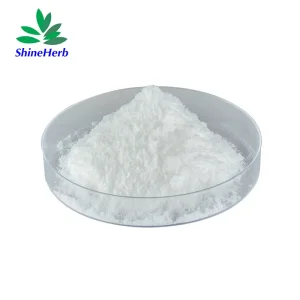
Best Pharma Grade Benfotiamine CAS 22457-89-2 Mood Support Supplement Manufacturers, Suppliers
Access Full Specification →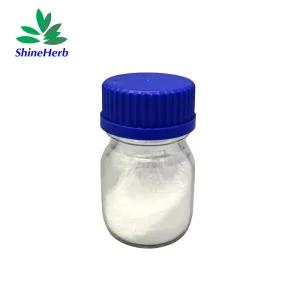
Best Palmitoyl Pentapeptide-4 Cosmetic Grade CAS 214047-00-4 For Anti-Wrinkle Manufacturer, Exporter
Access Full Specification →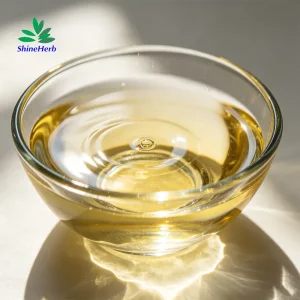
Best High Purity Linolenic Acid ALA Raw Material | Cosmetic, Food & Supplement Manufacturers, Companies
Access Full Specification →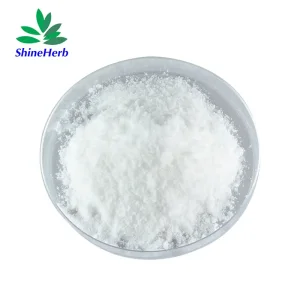
China High quality Sodium taurocholate CAS145-42-6 Shineherb Supply Companies, Company
Access Full Specification →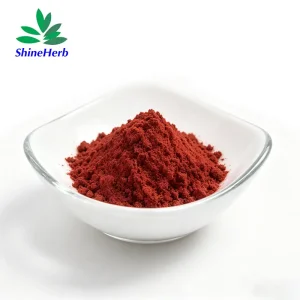
China Wholesale Chromium picolinate Nutritional Supplements Suppliers, Supplier
Access Full Specification →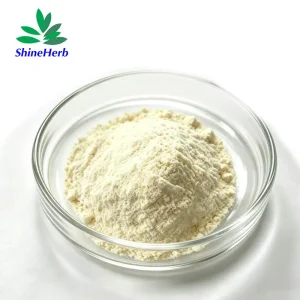
China Natural Vitamin E Acetate 98% D-Alpha Tocopheryl Acetate for skin care Company, Factory
Access Full Specification →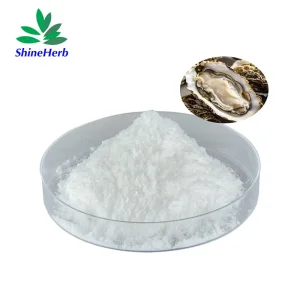
Best Factory Supply Oyster Peptide Food Grade Bulk wholesale Manufacturers, Exporter
Access Full Specification →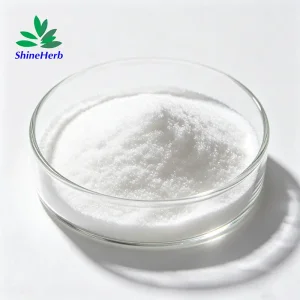
China Food Grade Erythritol Powder for Beverage & Bakery Suppliers, Factory
Access Full Specification →Request a Formal Quotation & Technical Dossier
Direct chemical synthesis, precise analytical batch releases, and dedicated ocean logistics tailored for Sri Lanka. Tell us your target active ingredient, required pharmacopoeial standard (USP/EP/BP/FCC), and estimated annual volume.