
Portfolio Showcase I
High-Purity Bioavailable Chelates & Performance Actives
Engineered for high biological absorption, mineral-ligand stability, and extreme purity across Chilean livestock feeds, aquaculture nutrition, functional nutraceutical formulations, and agro-biostimulants.
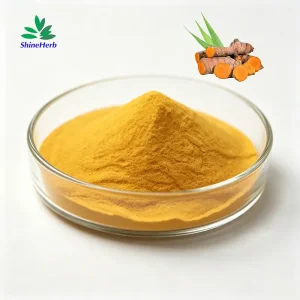
Curcumin 95% Natural Turmeric Extract for Health Formulations
Urolithin A Powder 98% for Longevity & Mitophagy Nutrition
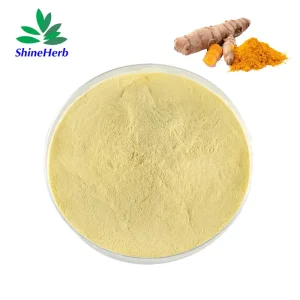
Tetrahydrocurcumin Hydrogenated Curcuminoid for Skincare Formulators
Industrial Depth Analysis
Amino Acids & Metal Chelates in the Chilean Economy
A rigorous examination of Chile’s targeted agricultural microclimate, high-saline soils, multi-billion-dollar salmonid aquaculture sector, and evolving functional dietary regulations.
Intensive Agricultural Fertigation
Chile's Central Valley—stretching across the O'Higgins, Maule, and Valparaíso regions—is recognized as a global exporter of fresh cherries, table grapes, stone fruits, and avocados. However, severe multi-year droughts and calcareous soils with high bicarbonate concentrations (pH > 7.8) severely precipitate traditional inorganic trace minerals like zinc sulfate, ferrous sulfate, and copper oxide.
Unchelated metal ions rapidly convert to insoluble hydroxides and carbonates in root zones, triggering acute chlorosis and reducing export fruit firmness. True amino acid chelates (specifically low-molecular-weight glycinates) shield cations from soil immobilization, ensuring 4- to 7-fold higher foliar and xylem translocatability.
Salmonid Aquaculture in Region X & XI
Chile’s salmon aquaculture industry centered in Los Lagos (Puerto Montt, Chiloé) and Aysén constitutes the second largest production cluster globally. Atlantic salmon (Salmo salar) and Rainbow trout require precise trace mineral diets to support skeletal development, smoltification resilience, and immune defense against SRS (Piscirickettsia salmonis).
Traditional mineral salts cause heavy aquatic phosphorus leaching, environmental eutrophication in patagonian fjords, and poor intestinal absorption. Chelation with pure synthetic or protein-derived amino acids prevents interaction with dietary phytic acid, drastically reducing dietary excretion into fragile aquatic ecosystems.
Nutraceuticals & Animal Nutrition
Chile's urban centers, particularly the Santiago Metropolitan Region, present an expanding consumer demand for bioavailable mineral supplements and sports nutrition formulations. The Instituto de Salud Pública (ISP) enforces strict bioavailability standards, directing formulators away from stomach-irritating inorganic salts.
Simultaneously, the industrial poultry and swine operations located in Central-South Chile increasingly employ amino acid chelates (zinc methionine, iron glycinate, chromium nicotinate) to improve meat yield, optimize feed conversion ratios (FCR), and minimize heavy metal residues.
Molecular Engineering
Coordination Chemistry: Why Fully Reacted Chelates Excel
A chelate is not merely a physical blend of mineral salts and amino acid powders. True chelation establishes covalent and coordinate bonds between the ligand's amine/carboxyl groups and the polyvalent metal cation.
| Evaluation Parameter | Inorganic Salts (Sulfate, Oxide, Carbonate) | Synthetic Chelates (EDTA, DTPA, EDDHA) | Amino Acid Chelates (Glycinates, Methionates) |
|---|---|---|---|
| Molecular Complex Stability | Extremely Low (Dissociates immediately in aqueous liquid) | High Stability (Resistant to alkaline precipitation) | Optimal Equilibrium (Stable in solution, releases inside cells) |
| Intestinal / Foliar Absorption | 10% - 25% (Compromised by mineral antagonisms) | 35% - 50% (Synthetic rings can block plant metabolism) | 75% - 95% (Absorbed via active peptide pathways) |
| Calcareous Soil Tolerance (Chile) | Fails (Precipitates as insoluble phosphate or hydroxide) | Effective (High soil persistence, environmental risk) | Excellent (Neutral charge bypasses soil cation-exchange traps) |
| Environmental Bioaccumulation Risk | Moderate (High run-off into aquatic ecosystems) | High Persistence (Non-biodegradable synthetic chelant) | Zero Risk (100% natural, biodegradable nutritional nitrogen source) |
| Gastric / Tissue Irritation | High (Causes nausea, emesis, mucosal erosion) | Inert (Not approved for high-dose edible nutrition) | Gentle (Clinically proven neutral gastrointestinal profile) |
The 5-Membered Ring Molecular Stability Constant
Our manufacturing facility in Xi'an employs specialized synthetic coordination processes. By reacting pure glycine (the smallest amino acid ligand with a molecular weight of 75.07 Da) with divalent trace metals (Mg²⁺, Zn²⁺, Fe²⁺, Cu²⁺, Mn²⁺, Ca²⁺), we synthesize heterocyclic 5-membered rings.
Because the coordination bond is formed simultaneously via the alpha-amino nitrogen group and the carboxyl oxygen atom, the resulting mineral complex possesses zero net electrical charge. In Chilean agricultural fertigation pipelines, this neutral molecule does not interact with antagonistic phosphates or sulfates. In animal gastrointestinal tracts, it bypasses ordinary ionic mineral competition, crossing mucosal membranes directly via dipeptide transporter systems (PepT1).
Analytical Verification: FT-IR & XRD Validation
A recurrent vulnerability in global trade is the deceptive labeling of dry-blended mixtures (inorganic sulfate plus amino acid powder) as "chelates." We employ rigorous batch release analytics to guarantee complete coordination:
- Fourier Transform Infrared (FT-IR) Spectroscopy: Demonstrates the definitive red shift of the COO⁻ stretching vibration from 1590 cm⁻¹ to ~1625 cm⁻¹ upon metal coordination.
- X-Ray Powder Diffraction (XRD): Confirms the extinction of crystalline metal salts and the formation of a distinct coordination complex lattice.
- Potentiometric Acid Titration: Verifies the absence of free, uncomplexed metal cations in reconstituted solutions.
Factory Direct Infrastructure
Why Direct Supply from Shaanxi Guarantees Strategic Advantage
Eliminate intermediary trading margins, obtain custom ligand ratios, and leverage the world’s most advanced chemical manufacturing supply network.
Raw Material Integration
Direct backward integration into basic glycine, taurine, and high-purity metal refining reduces production costs by 15-28% compared to European blenders.
Precision Crystallization & Spray-Drying
State-of-the-art closed-loop centrifugal spray drying towers produce non-caking, free-flowing, 80–120 mesh micro-granules suited for pneumatic bulk handling.
Purity Above Monograph Standards
Inductively Coupled Plasma Mass Spectrometry (ICP-MS) tests every lot to ensure heavy metals comply with strict Chilean SAG and ISP regulatory thresholds (Pb < 1ppm, Cd < 0.5ppm).
Fast Direct Pacific Freight
Direct container routes departing Shanghai, Qingdao, or Ningbo arrive at San Antonio or Valparaíso ports in 22 to 26 days, avoiding Panama Canal bottlenecks.
China-Chile FTA Form F
We supply official Certificates of Origin under the Free Trade Agreement (TLC China-Chile), guaranteeing complete customs tariff exemption (0% duty) across imports.
Dedicated Custom Chelation Synthesis
OEM formulation services include variable metal-to-ligand molar ratios (1:1, 1:2, or 1:3), targeted micro-encapsulation, and premix blending to exact buyer parameters.
Audit-Ready Compliance
Chilean Regulatory Framework & Import Safeguards
Navigating SAG, ISP, SERNAPESCA, and Chilean Customs requirements with full technical documentation and pre-shipment compliance guarantees.
SAG Registration (Servicio Agrícola y Ganadero)
Under Chilean Law No. 3.557 and Resolution No. 3574/2004, agricultural fertilizers, foliar micronutrients, and biostimulants imported into Chile must possess declared elemental concentrations, verifiable solubility coefficients, and explicit limits on heavy metal contaminants.
We provide full dossier documentation: certified Certificate of Analysis (COA) specifying chelated fractions versus total metal, non-synthetic pathogen statements, and complete phytosanitary declarations.
SERNAPESCA & Salmon Feed Directives
Aquafeed additive imports overseen by the Servicio Nacional de Pesca y Acuicultura (SERNAPESCA) enforce strict vigilance regarding residual antibiotics, dioxins, PCBs, and trace element toxicity in aquatic feed ingredients.
Our feed-grade zinc, selenium-methionine, and iron bisglycinate chelates ship with dedicated third-party inspection reports (SGS / Eurofins), proving conformance with international salmonid nutritional safety guidelines.
ISP (Instituto de Salud Pública) Nutritional Monograph
For Chilean pharmaceutical laboratories, sports nutrition brands, and dietary supplement packagers, raw ingredients must adhere to the Reglamento Sanitario de los Alimentos (Decreto Supremo N° 977/96).
Our human-grade minerals and botanicals comply strictly with USP, FCC, or Ph. Eur. monographs, backed by validated HPLC, ICP-MS, and GC-MS testing data to expedite local registration.
Chilean Regional Scenarios
Targeted Agricultural & Industrial Applications Across Chile
Optimized formulas addressing Chile's unique soil chemistry, microclimates, and coastal aquaculture ecosystems.
1. Fruit Orchards of O'Higgins, Maule & Curicó
Export cherries, table grapes, and stone fruits face strict international aesthetic and shelf-life demands. Sudden temperature spikes during blossom and rain events near harvest create extreme fruit cracking risks.
- Boron Glycinate & Calcium Bisglycinate: Penetrates the dense cuticular wax of cherry leaves, transporting structural calcium to cell walls to suppress micro-cracking and fruit softening.
- Free L-Proline & Glutamic Acid: Applied via foliar spray during high-temperature thermal stress in the Central Valley to regulate stomatal conductance and preserve photosynthetic output.
2. Cold-Water Marine Aquaculture (Puerto Montt & Chiloé)
Intensive salmon production requires feeds that ensure skin integrity and skeletal strength while tolerating frigid Patagonian marine waters.
- Zinc Glycinate Complex: Replaces inorganic zinc sulfate to enhance skin mucosal density, preventing scale detachment and offering natural resistance against sea lice (Caligus rogercresseyi).
- Selenium-Methionine Chelate: Supports high glutathione peroxidase activity in muscular tissue, minimizing post-harvest fillet rancidity and gaping in exported Atlantic salmon.
3. Calcareous Subtropical Soils of Petorca & Coquimbo
Avocado and citrus plantations in Northern Chile operate in arid soils with active calcium carbonate exceeding 15% and irrigation water laden with chlorides.
- Iron Amino Acid Chelate (Fe-Gly / Fe-Lys): Completely bypasses bicarbonate-induced root blockages, eradicating ferric chlorosis where conventional synthetic EDTA complexes degrade rapidly under solar UV exposure.
- Magnesium Taurate & Acetyl Taurate: Utilized in specialty greenhouse fertigation to power chlorophyll synthesis under high-salinity osmotic stress.
4. Santiago Metro Functional Supplement & Sports Labs
Chile's expanding middle class and health-conscious demographic prioritize high-absorption nutraceuticals with zero digestive discomfort.
- Creatine Monohydrate & Amino Chelates: Combined in micronized powders for athletic recovery formulations targeting rapid ATP replenishment and nitrogen balance.
- Urolithin A & Tetrahydrocurcumin: Premium anti-aging and skin brightening capsules formulated for high-end retail chains and private dermatological clinics in Las Condes and Providencia.
Portfolio Showcase II
Comprehensive Amino Acids, Trace Chelates & Fine Actives
Fully certified raw materials available for contract manufacturing, ready for bulk shipment to Chilean distributors and industrial formulators.
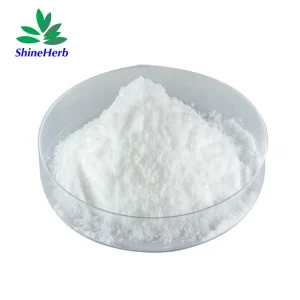
Bulk Creatine Monohydrate 200 Mesh for Chilean Sports Brands
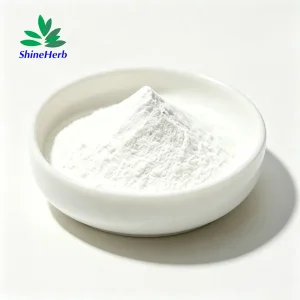
Boron Glycinate 3.5% - 5% for Bone Integrity & Fruit Setting
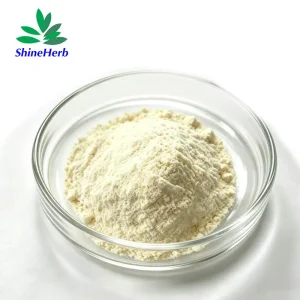
Natural Vitamin E Acetate 98% (D-Alpha Tocopheryl Acetate)
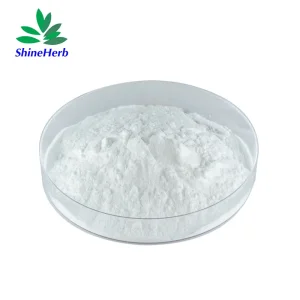
Potassium Iodide USP Standard for Food & Salt Fortification
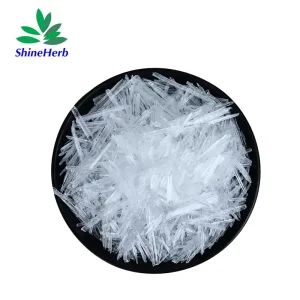
Natural Menthol Crystals 100% for Respiratory & Topical Relief
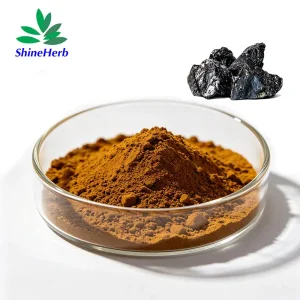
Shilajit Extract Powder 20%-50% Fulvic Acid Natural Mineralizer
Vitamin A Acetate Powder CAS 127-47-9 Retinol Acetate
L-Carnosine Dipeptide Powder for Skincare & Longevity
Procurement Intelligence
How Chilean Technical Buyers Qualify Amino Acid Chelate Suppliers
A rigorous 5-step auditing matrix implemented by leading procurement directors across Latin America.
1. Coordinate Bond Verification
Do not accept standard titration alone. Insist on FT-IR spectral plots proving the coordination bond between the metal and the amino carboxyl/amino terminal. Non-chelated mixtures exhibit high ionic dissociation in aqueous buffers, precipitating immediately upon mixing with phosphate-rich foliar fertilizers.
2. Free Amino Acid vs. Complexed Ratios
Verify that the ligand molecular ratio is fully stoichiometric. For instance, in Magnesium Bisglycinate, the theoretical magnesium content is approximately 11.7% to 14.1%. Products claiming 20% or higher magnesium "glycinate" are invariably adulterated with magnesium oxide dry-blends.
3. Heavy Metal Ultra-Trace Thresholds
Under Chilean SAG and ISP import rules, maximum allowed levels for heavy metals are stringent. Our standard release parameters guarantee Arsenic (As) < 1.0 ppm, Cadmium (Cd) < 0.5 ppm, Lead (Pb) < 1.0 ppm, and Mercury (Hg) < 0.1 ppm via ICP-MS testing.
4. Dissolution Kinetics in Cold Water
Field spray rigs in Chilean agricultural operations frequently mix powders in cold water (10°C - 15°C). Our spray-dried micro-granules guarantee 100% instantaneous cold-water dissolution without forming insoluble sediment or clogging 100-mesh fertigation nozzles.
5. Multi-Layer Protective Packaging
Ocean transit through humid equatorial sea lanes to San Antonio or Valparaíso exposes hygroscopic amino powders to moisture degradation. We pack inside heavy-duty multiwall kraft paper sacks with a vacuum-sealed inner polyethylene barrier, encased on fumigated export pallets.
6. Complete Document Pack per Batch
Every shipment is dispatched with batch-traceable documents: Certificate of Analysis (COA), Technical Data Sheet (TDS), Safety Data Sheet (SDS in English & Spanish), Non-GMO Statement, Free-BSE/TSE declaration, and Chilean FTA Form F.
Innovation Horizons
Emerging Trends in Amino Acid Chelation Across the Southern Cone
Strategic technological developments reshaping agricultural productivity and nutritional science in Chile through 2030.
Enzymatic Peptide Nanochelation
Moving beyond single amino acid ligands, next-generation synthesis utilizes small oligopeptide chains (2 to 4 amino acid residues) obtained via targeted enzymatic hydrolysis of non-GMO soy or marine peptides. These oligopeptides form stable nanochelates with zinc, copper, and iron, yielding higher heat stability during salmon feed extrusion and extreme resistance to soil alkaline binding.
Climate-Resilience Biostimulants
With climate change intensifying frost cycles in Southern Chile and expanding desertification southward toward the Santiago basin, chelated biostimulants formulated with specific L-amino acids (glycine, proline, hydroxyproline) are increasingly utilized as dual-action inputs: providing cellular mineral nourishment while triggering protective phytohormone cascades.
Circular Economy & Low-Carbon Aquaculture
Global supermarket chains are mandating rigorous life-cycle environmental assessments (LCA) for Chilean salmon exports. By replacing inefficient inorganic trace minerals with high-uptake amino acid chelates, fish farms reduce net metal discharge into the Pacific ocean by up to 60%, aiding producers in achieving Aquaculture Stewardship Council (ASC) certifications.
Technical & Trade FAQ
Frequently Asked Questions by Chilean Importers & Formulators
Clear, direct technical answers regarding customs clearance, formulation chemistry, shipping logistics, and compliance.
What specific customs and tariff advantages apply to amino acid chelates imported from China into Chile?
Under the China-Chile Free Trade Agreement (Tratado de Libre Comercio China-Chile, TLC), qualified amino acids, organic metal complexes, and botanical extracts enter Chile under preferential tariff codes with 0% import duty (ad valorem exemption). To claim this benefit, our factory issues the official Certificate of Origin (Form F) certified by Chinese customs authorities. Chilean importers only pay the standard local Value Added Tax (IVA - 19%), which is fully deductible as a business tax credit.
How do you differentiate a true chelated mineral from a physical dry blend of metal salts and amino acids?
A simple dry blend will immediately dissociate into free metal cations and free amino acid ions upon water contact, showing high electrical conductivity and precipitating when exposed to alkaline buffers or phosphate salts. In contrast, our fully reacted chelates undergo aqueous synthesis where covalent and coordinate bonds form a neutral heterocyclic ring structure. We prove this via Fourier Transform Infrared Spectroscopy (FT-IR) demonstrating characteristic shifts in carboxylate stretching bands, as well as dialytic membrane permeability tests and low ionic conductivity readings.
What documentation do you provide to satisfy Chilean SAG agricultural import inspections?
For every agricultural shipment, we provide: (1) A comprehensive Certificate of Analysis (COA) specifying guaranteed total metal content, chelated fraction percentage, free moisture, and particle size; (2) An ultra-trace heavy metal screening report (Pb, As, Cd, Hg) executed via ICP-MS confirming adherence to SAG Resolution No. 3574/2004; (3) Safety Data Sheets (SDS) in compliance with GHS standards; (4) Process flowcharts demonstrating synthetic coordination without pathogenic animal-byproduct vectors; and (5) Non-radioactive and phytosanitary declarations where mandated.
Can your factory supply custom metal-to-amino-acid molar ratios (e.g., 1:1 vs 1:2)?
Yes. Depending on the targeted application, we manufacture mono-chelate (1:1 metal-to-ligand ratio, common in specific agricultural foliar applications where higher elemental mineral concentration is required) and bis-chelate/tris-chelate (1:2 or 1:3 ratio, preferred in human dietary supplements and salmon feed premixes where maximum ring stability and protection against gut pH fluctuations are essential). All batches are produced under strict stoichiometry with in-process validation.
What are the lead times and standard shipping terms for deliveries to San Antonio or Valparaíso?
Production for standard catalog items typically requires 7 to 12 business days. Direct ocean container shipping from major Chinese ports (Shanghai, Qingdao, Ningbo) to San Antonio or Valparaíso takes between 22 and 26 days on direct Pacific lines. We support standard Incoterms including FOB (Chinese port), CIF / CFR (San Antonio or Valparaíso), and DAP (delivered directly to your warehouse facility in Santiago, Rancagua, or Puerto Montt).
How do your amino acid chelates support cold-water salmonid aquaculture diets in Region X?
Cold marine temperatures can slow intestinal nutrient diffusion in salmonids. Furthermore, high phytate levels in modern plant-based aquafeeds bind conventional inorganic zinc and iron. Our zinc glycinate, iron bisglycinate, and selenium-methionine complexes enter intestinal enterocytes via peptide transport pathways without competing with ionic minerals. This ensures maximal bioavailability, elevated antioxidant enzyme status (SOD, GSH-Px), enhanced skin resistance against sea lice, and drastically reduced fecal heavy metal excretion into marine fjords.
Initiate Direct Factory Procurement for the Chilean Market
Partner directly with a certified manufacturer. Request batch-specific COAs, complete technical dossiers for SAG / ISP registration, or commercial bulk price quotes with 0% tariff Form F documentation today.