High-Purity Bioactive & Enzyme Portfolio (Batch I)
Verified monograph standards, fully validated assays via HPLC, UV, and FCC unit specifications for immediate global dispatch.
Best Palmitoyl Pentapeptide-4 Cosmetic Grade CAS 214047-00-4
View Details & COA
China Vitamin E Powder 50% Mixed Tocopherols Powder Antioxidant
View Details & COA
Wholesale Liposomal Quercetin High Purity for Immune Support
View Details & COA
Wholesale Food Grade Calcium Pantothenate Powder Vitamin B5
View Details & COA
Best Pharma Grade Benfotiamine CAS 22457-89-2 Mood Support
View Details & COA
China Bulk Fish Collagen Peptide Powder Food & Cosmetic Grade
View Details & COA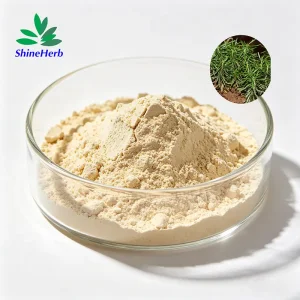
Buy Natural Huperzine Powder CAS 102518-79-6 Huperzia Serrata Extract
View Details & COA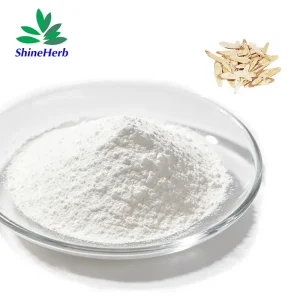
China Bulk Astragalus Extract 98% Cycloastragenol Anti-Aging
View Details & COAMacro-Industrial Solutions: The Shift Toward Neutral Lactase Processing
Understanding the critical thermodynamic and enzymatic kinetics driving the transition from acid-tolerant fungal lactase to neutral yeast-derived β-galactosidase systems.
Native pH Kinetic Compatibility
Unlike acid lactase (derived from Aspergillus niger/oryzae operating at pH 4.0–5.0), bulk neutral lactase isolated from non-GMO strains of Kluyveromyces lactis matches the precise physiochemical profile of fluid bovine milk (pH 6.5–6.8). This completely eliminates curdling, destabilization, or the requirement of pre-acidification buffers.
Elimination of Off-Flavors & Proteolysis
Secondary proteolytic activity in conventional bulk enzymes causes irreversible bitterness, peptide cleavage, and rapid Maillard browning in UHT-treated cartons. Ultra-purified neutral lactase undergoes chromatography purification, eliminating aryl sulfatases and residual proteinases for sensory neutral stability.
Cold-Temperature Hydrolysis (4°C–8°C)
Energy-intensive thermal batch processing creates substantial microbiological vulnerability. Our bulk neutral lactase is genetically stabilized to retain high kinetic conversion rates under refrigeration (4°C to 8°C) during 24-to-48-hour silo storage, maintaining strict microbiological safety bounds.
Neutral Lactase Bulk Assay & Quality Standards
Manufactured and released under ISO 9001, GMP, and FCC monographs. Every production lot is cleared via automated HPLC testing and orthogonal identity validation.
| Analytical Parameter | Monograph Standard (FCC / USP) | ShineHerb Production Grade | Testing Methodology |
|---|---|---|---|
| Biological Origin | Kluyveromyces lactis | Pure Yeast Fermentation (Non-GMO) | 16S/18S rDNA Sequencing |
| Enzymatic Activity | ≥ 50,000 NLU/g (Powder) / 5,000 NLU/g (Liq.) | Customized: 10,000 to 100,000 NLU/g | FCC UV-Vis Spectrophotometric (o-NPG) |
| Optimal pH Window | 6.5 – 7.2 | Stable 6.2 – 7.5 (Optimal: 6.8) | Calibrated Potentiometric Titration |
| Protease Contamination | Not detectable (< 0.05 AU/g) | Negative / Undetectable | Casein Substrate Cleavage / HPLC |
| Heavy Metals (as Pb, As, Cd) | < 10 mg/kg aggregate | < 3 mg/kg total; Pb < 0.5 ppm | ICP-MS (Inductively Coupled Plasma) |
| Microbiological Clearance | Total Plate Count < 5,000 CFU/g | < 1,000 CFU/g; Zero Salmonella / E.coli | BAM / USP Microbiological Examination |
Localized Formulation Scenarios: Precision Enzymatic Ingestion
Targeted biochemical pathways resolving production bottlenecks across dairy derivatives, clinical clinical infant nutritional matrices, and therapeutic supplements.
Zero-Lactose UHT & Pasteurized Fluid Milk
Dosed in aseptic inline dosing setups (0.02%–0.05% w/w) prior to bottling or bulk silo batch incubation. Yields glucose and galactose monomers without activating sensory bitterness or downstream proteolytic sedimentation in ESL milk storage.
Prebiotic GOS (Galacto-oligosaccharides)
Under hyper-saturated lactose concentrations (>30%–40% solids) and elevated temperatures (40°C–45°C), the transgalactosylation mechanism dominates, selectively yielding high-DP galacto-oligosaccharides utilized in premium infant formula.
Concentrated Whey & Fermented Dairy
Prevents sandy crystallization in condensed whey, ice creams, and dulce de leche. Accelerates fermentation initiation for Greek yogurts and aged hard cheeses by hydrolyzing lactose into instantly bioavailable hexoses for starter cultures.
Auditable Global Compliance & Technical Logistics
ShineHerb Biotech delivers seamless auditability and cross-border supply chain integration across major Western and Eastern markets.
Full Regulatory Dossiers
Comprehensive dossiers supporting US FDA GRAS notifications, EU EFSA Novel/Enzyme filings, Halal (JAKIM/MUI), and Kosher certifications with full allergen, GMO, and TSE/BSE risk assessments.
Cold-Chain Air & Sea Freight
Available in food-grade liquid drums and vacuum-sealed dry powders. Packaged in nitrogen-flushed, insulated drums with dual USB/NFC continuous temperature loggers to confirm zero enzymatic loss across transcontinental voyages.
Direct Tech Support
Enzyme dosage calculation models, HPLC residue test calibration, and on-site engineering consultations to validate scale-up kinetics and streamline pilot runs.
Batch Retention & Traceability
Full manufacturing batch traceability from master cell fermentation banks to final milling. Three-year retention samples preserved under strict cryogenic and low-humidity stability chambers.
Enzyme Technology Roadmap: 2026–2030
Continuous innovation in molecular biocatalysis, thermal stabilization, and circular bioprocessing systems.
Carrier-Free Microencapsulation
Micro-granulation minimizing dust generation and respiratory risk during factory dosing. Enhances immediate wettability and uniform dissolution within raw whole milk.
Thermal Stability Mutation
Directed protein evolution optimizing hydrogen-bonding networks across catalytic loops, expanding functional operational viability up to 60°C for short-hold thermophilic processing.
Immobilized Bioreactor Matrices
High-affinity porous silica and magnetic nano-carriers enabling cross-linked enzyme reuse up to 35 consecutive batch cycles in continuous zero-lactose fluid processing.
AI-Engineered Subsite Selectivity
Computational de novo structural design to tailor galactosyl-transfer pathways, yielding higher concentrations of human-identical bioactive oligosaccharides.
Commercial Procurement & Formulation FAQ
Clear, unhedged answers to critical technical and regulatory questions regarding neutral lactase sourcing and implementation.
What is the exact distinction between Neutral Lactase and Acid Lactase in bulk sourcing?
The distinction lies in origin, optimal pH, and application parameters. Neutral Lactase is derived from Kluyveromyces lactis with an optimal pH of 6.5–7.0, making it ideally suited for sweet bovine milk, liquid dairy drinks, and concentrated whey without adjusting pH. Acid Lactase is fermented from Aspergillus niger or Aspergillus oryzae, functions between pH 3.5–5.5, and is exclusively utilized for dietary supplement tablets, capsules, or acid whey processing. Inoculating acid lactase into fresh fluid milk causes inadequate breakdown or sensory spoilage.
How is enzyme activity standardized and reported for Neutral Lactase?
Activity is commonly expressed in NLU (Neutral Lactase Units) or ALU according to the Food Chemicals Codex (FCC) monograph. One Neutral Lactase Unit (NLU) is defined as the amount of enzyme that releases 1.00 micromole of o-nitrophenol per minute from o-nitrophenyl-β-D-galactopyranoside (o-NPG) under specified test conditions (pH 7.0, 30°C). ShineHerb provides standardized powder options from 10,000 NLU/g up to 100,000 NLU/g, alongside liquid grades, with verified batch-specific COAs.
Can bulk neutral lactase perform effective lactose conversion under refrigerated storage (4°C–6°C)?
Yes. Neutral lactase from K. lactis maintains substantial catalytic activity at refrigeration temperatures. While reaction kinetics are slower than at 35°C, commercial dairy processors leverage this during long cold-hold incubation (typically 24 to 36 hours in raw milk silos). This low-temperature breakdown protects fluid milk from opportunistic microbial growth while driving residual lactose below 0.01%.
How do you ensure zero proteolytic off-flavors or premature peptide degradation in UHT milk?
Residual side activities (such as nonspecific proteases or arylsulfatases) can cause bitter peptide notes and heat-induced gelation in UHT milk. ShineHerb Biotech applies chromatographic fraction isolation and targeted downstream purification during fermentation harvesting to clear side-chain enzymes, guaranteeing complete sensory neutrality and shelf stability in finished products.
What storage conditions and shelf life are recommended for bulk powder shipments?
Bulk neutral lactase powder should be stored sealed in original air-tight, light-proof packaging under cool, dry conditions (recommended 2°C–8°C for prolonged storage, or below 20°C in climate-controlled warehouses). Under these conditions, loss of enzymatic activity is less than 3% annually, backed by a validated 24-month manufacturer shelf life.
High-Purity Bioactive & Enzyme Portfolio (Batch II)
Complementary natural extracts, cosmetic peptides, amino acid complexes, and clean-label functional raw materials.
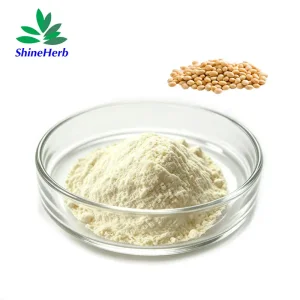
High-Quality 100% Natural Phosphatidylserine Powder Soybean Extract
View Details & COA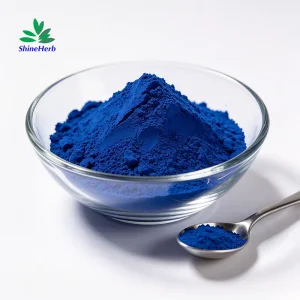
High-Quality Phycocyanin Spirulina Extract Natural Pigment
View Details & COA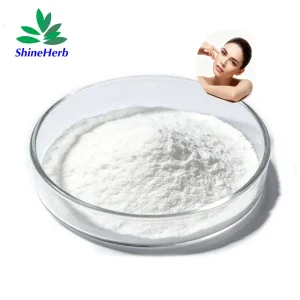
Wholesale Anti Wrinkle Tripeptide-29 Cosmetic Peptide CAS 2239-67-0
View Details & COA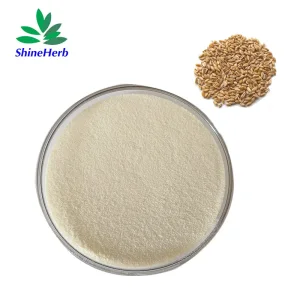
Wholesale Hot Sale Hydrolyzed Gluten Peptide Food Grade Powder
View Details & COA
China Manufacturer L-Carnitine Powder USP Standard API Material
View Details & COA
High-Quality Cosmetic Grade Kojic Acid Dipalmitate 99% Bulk
View Details & COA
Wholesale High EPA DHA Omega Fish Oil Microcapsule Powder
View Details & COA