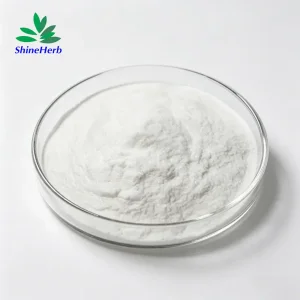
Featured Bulk Bio-Active Intermediates & Fine Chemicals
Verified analytical assay, low heavy metal profile, and pharmacopoeia compliance across pharmaceutical, nutrition, and cosmetic categories.
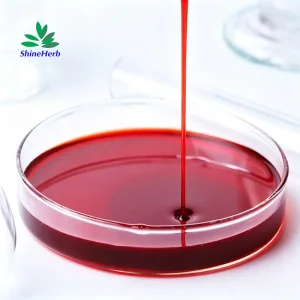
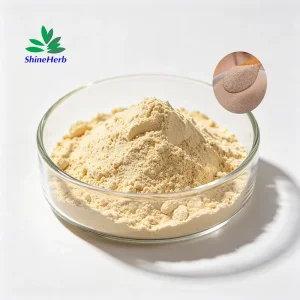
Global Aniseed Extract Trends & Industrial Demand Dynamics
The global shift toward standardized botanical actives demands pharmaceutical-grade anethole purities, structural traceability, and validated clean-label extraction pathways.
Clean-Label Reformulation Wave
Global multi-nationals in the nutraceutical and functional beverage domains are actively phasing out petroleum-derived synthetic anethole and artificial aromatics. Standardized Pimpinella anisum and Illicium verum extracts deliver bio-identical trans-anethole with comprehensive secondary phyto-cannabinoid-like terpene profiles, satisfying strict clean-label consumer mandates across North America and the European Union.
API Precursor & Antiviral Demands
The strategic value of Star Anise / Aniseed extraction remains closely tethered to the extraction of Shikimic Acid—the crucial bio-chemical intermediate for upstream Oseltamivir (Tamiflu) synthesis. Industrial procurement mandates minimum 98% purity Shikimic Acid crystal yield along with GC-MS authenticated trans-anethole to insulate downstream supply chains against viral epidemics and respiratory therapeutics production bottlenecks.
Feed-Phytogenics & AGP Replacement
With stringent global bans on Antibiotic Growth Promoters (AGPs) in livestock production, the animal nutrition industry has pivoted decisively toward micro-encapsulated Aniseed extracts. Its endogenous carminative, broad-spectrum anti-microbial, and gut microbiome balancing properties improve feed intake in swine and poultry broilers while preventing sub-clinical enteritis under intensive farming environments.
Enterprise B2B Procurement Matrices: Technical Purity Benchmarks
Global formulators require explicit analytical assurances. Substandard commercial aniseed extract frequently suffers from solvent residuals, estragon (estragole) excess, and heavy metal concentrations. The table below delineates the mandatory chromatographic and physical criteria audited by elite pharmaceutical and nutritional quality assurance teams:
| Analytical Metric | Standard Cosmetic / Flavor Grade | Standard Nutritional Supplement Grade | Pharma / Supercritical CO2 High-Purity Grade |
|---|---|---|---|
| Assay: Trans-Anethole (GC-FID) | 85.0% - 90.0% | 90.0% - 95.0% | ≥ 99.2% (Ph. Eur. / USP Reference) |
| Shikimic Acid Content (HPLC) | Unstandardized (< 20%) | 50.0% - 70.0% Standardized | ≥ 98.0% Monocrystalline Dry Basis |
| Estragole (Genotoxic Impurity) | < 5.0% | < 1.5% | ≤ 0.2% (De-estragolated fractions) |
| Residual Solvents (ICH Q3C) | Meets EP Class 2/3 limits | Meets CP/USP Class 3 limits | Zero Trace (< LOQ) - Supercritical Extraction |
| Heavy Metals (Pb, Cd, As, Hg) | < 20.0 ppm | < 10.0 ppm (USP <232>) | < 3.0 ppm (ICP-MS Verified) |
China Factory 4.0: Structural Infrastructure & Technical Sovereignty
Harnessing autonomous SCADA process controls, high-pressure subcritical liquid extraction, and geographical proximity to the world's richest raw anise botanical belts.
Direct Origin Agronomy Upstream
Factory operations integrate direct cooperative linkages with organic Star Anise botanical belts in Guangxi and Yunnan, producing over 85% of the world's raw harvest. Raw materials are cataloged by elevation, harvest date, and essential oil yield via Near-Infrared (NIR) high-throughput screening prior to processing, nullifying volatile commodity market price swings for long-term contract partners.
Supercritical CO2 & Continuous Countercurrent
Traditional hydro-distillation subjects delicate botanical actives to high thermal stress, yielding thermal degradation artifacts and high estragole percentages. Our Enterprise 4.0 plant utilizes continuous countercurrent dynamic extraction cascades coupled with Supercritical Carbon Dioxide (SFE-CO2) facilities operating at up to 35 MPa, preserving the native, bioactive cis/trans stereoisomer integrity with zero thermal discoloration.
Fully Digital QA Traceability (ERP / MES)
From the moment raw aniseed arrives at our unloading bays, batches receive encrypted QR data IDs tracked across automated milling, liquid fractionation, crystallization, drying, and packaging phases. Laboratory analyses (HPLC, GC-MS, ICP-MS, Micro-Petrifilm) are auto-committed into LIMS databases, guaranteeing absolute lot-to-lot consistency and tamper-proof Certificates of Analysis (COA).
Multi-Industrial Application Ecosystems for Aniseed Actives
Deploying specialized particle engineering, microencapsulation, and solvent fractionation to meet exact cross-category manufacturing specs.
Pharmaceutical Oral & Expectorant Formulations
Trans-anethole acts directly upon the bronchial secretory epithelium, stimulating ciliary clearance and decreasing mucous viscosity in expectorant syrups and pastilles. Pharmacopoeial formulations (USP/EP) use our pharmaceutical-grade aniseed extract containing tightly controlled cineole, safrole (< LOQ), and estragole profiles to comply with pediatric safety limits and monograph requirements.
Nutraceutical Gastrointestinal Complexing
For encapsulation in digestive wellness supplements, aniseed polyphenols and volatile terpenes reduce gastrointestinal smooth muscle spasms through calcium channel modulation. We engineer spray-dried, maltodextrin/gum arabic encapsulated powder profiles with high flowability (Carr's Index < 15%), eliminating oily clumping in high-speed rotary tablet presses and hard gel filling lines.
Oral Care & Clean-Label Flavor Systems
In oral therapeutics, toothpaste, and botanical mouthwashes, pure anise extract delivers strong antimicrobial inhibition against Streptococcus mutans and Porphyromonas gingivalis without disturbing normal oral microflora. In craft spirits and non-alcoholic aperitifs, it produces the classic spontaneous micro-emulsion "ouzo effect" upon water dilution without added surfactants.
Enterprise Technical FAQ: Sourcing, Audits & Compliance
Direct technical responses addressing common vendor qualification queries submitted by international procurement and regulatory teams.
Every production batch undergoes comprehensive fingerprinting via High-Performance Thin-Layer Chromatography (HPTLC) and Gas Chromatography-Mass Spectrometry (GC-MS). We analyze the ratio of trace marker sesquiterpenes (such as foeniculin and pseudoisoeugenyl 2-methylbutyrate) to guarantee botanical identity, completely eliminating the presence of toxic adulterants like Japanese Star Anise (Illicium anisatum, verified by toxic anisatin negative assay via LC-MS/MS).
Recognizing the European Medicines Agency (EMA) and FDA safety concerns regarding estragole genotoxicity, our factory uses precision vacuum fractionated distillation columns. We adjust fractional condensation temperatures to separate lower-boiling estragole from higher-boiling trans-anethole, lowering residual estragole down to under 0.2%, well within strict European herbal medicinal monograph thresholds.
Yes. We offer standard carrier matrices (Maltodextrin DE 10-15) alongside clean-label alternatives such as Certified Organic Acacia Fiber, Tapioca Dextrin, or native Rice Hull Flour. We also supply liquid oleoresin, pure isolated crystals (≥99% trans-anethole or shikimic acid), and water-soluble cyclodextrin inclusions for clear liquid applications.
Shipments include batch-specific Certificates of Analysis (HPLC/GC-MS/ICP-MS), SDS (GHS compliant), Technical Data Sheets (TDS), Flow Charts, Non-GMO Statements, BSE/TSE-Free Certificates, Allergen Statements, and residual solvent reports (USP <467> / ICH Q3C). Third-party test reports from SGS, Eurofins, or NSF are supplied upon request.
Standardized Botanical, Amino Acid & Cosmeceutical Actives
Enterprise supply lines engineered for high bulk density, uniform mesh size, and verified active content.