≥99%
HPLC-Validated Active Purity
100%
Batch Traceability & Monograph COA
8,600m²
Pharma-Standard Extraction Facility
30+
Global Export Hubs Served
Featured Enterprise Catalog: Botanical Extracts & Nutritive Bioactives
Verified botanical precursors, high-purity flavonoids, and functional co-factors available for global consignment.
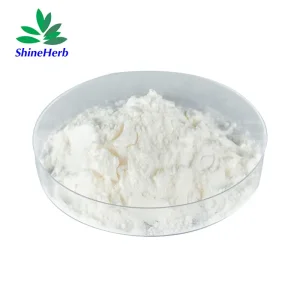
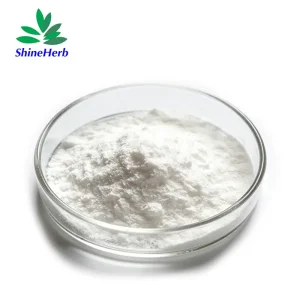
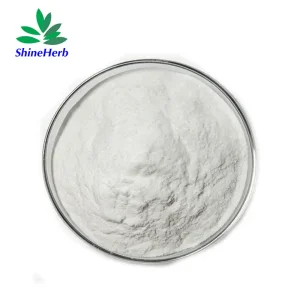
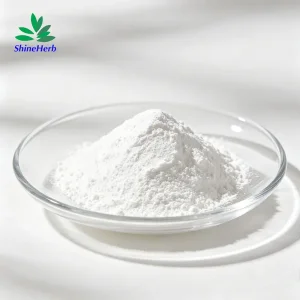
Acacetin Powder Industry Landscape & Molecular Dynamics
An authoritative biochemical evaluation of 5,7-dihydroxy-4'-methoxyflavone (CAS 480-44-4), its industrial synthesis, natural extraction routes, and evolving therapeutic mechanisms.
Chemical Profile & High-Purity Isolation
Acacetin is a natural 4'-O-methylated flavone predominantly isolated from botanical sources such as Robinia pseudoacacia (black locust), Chrysanthemum indicum, and Turnera diffusa. Characterized by high lipophilicity, industrial-grade Acacetin Powder requires advanced chromatographic refining to achieve pharmaceutical-grade ≥98% purity by HPLC.
- Molecular Formula: C16H12O5 (MW: 284.26 g/mol)
- Melting Point: 261°C to 263°C
- Monograph Validation: USP & EP reference profiling
Cardiac & Electrophysiological Research
Clinical interest in Acacetin has surged following discoveries regarding its atrium-selective antiarrhythmic effects. By effectively blocking ultrarapid delayed rectifier potassium currents (IKur) and transient outward potassium currents (Ito), it provides cardioprotective benefits without prolonging ventricular repolarization (QTc interval).
- Atrium-selective potassium current regulation
- Protection against myocardial ischemia/reperfusion injury
- Suppression of pro-fibrotic signaling cascades
Neuroinflammation & Cellular Protection
Acacetin serves as an aggressive natural suppressor of NF-κB and MAPK activation pathways. Preclinical dossiers reveal substantial reductions in microglial inflammation, inducible nitric oxide synthase (iNOS), and cyclooxygenase-2 (COX-2) expression, making it a key intermediate for neurodegenerative therapy research.
- Cross-blood-brain barrier neuroprotective kinetics
- Inhibition of LPS-induced microglial neurotoxicity
- Mitochondrial oxidative stress remediation
| Analytical Attribute | Standard Research Grade | Pharma / Dietary API Grade | Testing Methodology |
|---|---|---|---|
| Assay (Acacetin on Dried Basis) | ≥ 95.0% | ≥ 98.5% – 99.5% | High Performance Liquid Chromatography (HPLC) |
| Physical Appearance | Light Yellow Crystalline Powder | Fine Pale Yellow Microcrystalline Powder | Visual & Colorimetric Profiling |
| Loss on Drying | ≤ 2.0% | ≤ 1.0% | USP <731> Infrared / Vacuum 105°C |
| Heavy Metals (Pb, Cd, As, Hg) | < 10.0 ppm combined | < 3.0 ppm combined / Lead < 0.5 ppm | ICP-MS (Inductively Coupled Plasma Mass Spectrometry) |
| Residual Solvents (Ethanol, Ethyl Acetate) | Complies with EP / USP limits | < 500 ppm (Headspace Analysis) | Gas Chromatography with Flame Ionization (GC-FID) |
| Microbiological Bioburden | Total Aerobic < 1,000 CFU/g | Total Aerobic < 100 CFU/g; Yeast/Mold < 50 CFU/g | USP <61> / <62> Microbial Enumeration |
China Factory 4.0: Supply Chain Resilience & Export Precision
How state-of-the-art manufacturing hubs in Xi'an and the Qinling botanical corridor drive batch-to-batch repeatability and mitigate global supply disruptions.
Automated Multi-Stage Extraction
Factory 4.0 plants deploy PLC-controlled closed-loop solvent counter-current extraction systems. This minimizes exposure to atmospheric degradation, preserves delicate flavonoid structures, and maintains solvent recycling efficiency exceeding 94%, sharply lowering industrial overhead and carbon footprint.
Data-Driven Process Integrity
Continuous inline PAT (Process Analytical Technology) coupled with real-time UV-Vis flow spectrophotometry monitors separation kinetics during crystallization. Automated parameter control guarantees that Acacetin and allied phytochemical lots exhibit identical chromatographic signatures across multi-ton manufacturing campaigns.
Dual-Node Sourcing & Geopolitical Buffer
Strategically situated in the Xi'an Hi-Tech development corridor, Chinese production centers leverage integrated logistics connecting regional botanical gatherers directly to primary freight hubs. This proximity buffers against maritime bottlenecks and raw-herb cost volatility for international supply partners.
Procurement Intent & Specialized Application Scenarios
How pharmaceutical researchers, cosmetic chemists, and nutraceutical brands formulate around Acacetin’s unique physicochemical profile.
Cosmeceutical Anti-Photoaging Systems
Cosmetic development laboratories leverage Acacetin powder as a top-tier inhibitor of UV-induced Matrix Metalloproteinase-1 (MMP-1) and elastase degradation. Formulations combining Acacetin with topical delivery systems show clinical efficacy in preserving dermal extracellular matrix structural density.
- High compatibility with liposomal encapsulation matrixes
- Inhibition of epidermal oxidative breakdown
- Synergistic efficacy with Arbutin and Niacinamide
Longevity & Cellular Senescence Formulas
European and North American dietary supplement brands are integrating natural Acacetin into advanced longevity regimens. Its capacity to upregulate Sirtuin enzymes (SIRT1) and stimulate autophagy mechanisms mirrors caloric-restriction pathways, making it a potent co-ingredient alongside PQQ, Resveratrol, and NMN.
- Cellular senescence modulation via p53-dependent pathways
- Optimization of cellular NAD+ salvage consumption
- Suppression of the senescence-associated secretory phenotype (SASP)
API Precursors & Semisynthetic Research
Pharma contract research organizations (CROs) evaluate Acacetin as a foundational scaffold for halogenated and glycosylated small molecule therapies. The deliberate selective reactivity of its hydroxyl groups at C-5 and C-7 makes it a premium, versatile precursor for selective oncological and cardioprotective chemical synthesis.
- Controlled functionalization at the 7-hydroxy position
- Validated solubility testing in organic co-solvent systems
- Comprehensive impurity and structural profiling via 1H/13C NMR
Technical Procurement & Compliance Q&A
Direct answers for QA directors, technical buyers, and compliance officers regarding Acacetin Powder and custom API sourcing.
What analytical methods are required to distinguish Acacetin from Apigenin?
Acacetin (4'-O-methylapigenin) is structurally similar to Apigenin. Reliable identification requires calibrated Reverse-Phase High Performance Liquid Chromatography (RP-HPLC) with a dedicated C18 column, UV-Vis spectrophotometry set at 268 nm and 338 nm, accompanied by 1H-NMR or LC-MS/MS spectral verification to guarantee the absence of related desmethyl impurities.
How does ShineHerb ensure regulatory compliance for US and EU imports?
Every shipment arrives with batch-specific Certificates of Analysis (COA) cross-referencing EP, USP, and FCC limits. Testing covers residual solvents (GC-HS), elemental impurities via ICP-MS matching USP <232>/<233>, pesticide multiresidue screenings (compliant with USP <561>), and radiation declarations alongside ISO, HACCP, Halal, and Kosher certifications.
What bioavailability solutions exist for Acacetin in oral formulations?
Because native Acacetin exhibits low aqueous solubility (BCS Class II/IV profile), leading exporters and contract formulators supply liposomal preparations, self-microemulsifying drug delivery systems (SMEDDS), or cyclodextrin inclusion complexes (HP-β-CD) that increase in-vitro dissolution rates by up to 800%.
What are typical minimum order quantities (MOQ) and packaging formats?
Research-grade validation samples are distributed in 100g to 1kg tamper-evident vacuum-sealed aluminum bags. Commercial export consignments are packed in pharma-grade 25kg fiber drums with double food-grade polyethylene inner liners, heat-sealed desiccants, and optional oxygen scavengers for overseas sea or air freight.
Can customized particle micronization be requested for active cosmetic blends?
Yes. Modern milling facilities support specialized jet-milling and air-classifier milling to achieve tailored D50 and D90 particle size distributions (e.g., 200–400 mesh or <10 microns). This enables smooth skinfeel and seamless suspension in lipidic cosmetic emulsions and hair-care tonics.
What documentation is provided to satisfy enterprise supplier audit trails?
Technical audit packs include full Process Flow Charts (PFC), Hazard Analysis & Critical Control Points (HACCP) logs, Non-GMO Statements, BSE/TSE-Free Declarations, Allergen Statements, Safety Data Sheets (SDS) matching GHS standards, and third-party laboratory verification records (e.g., SGS or Eurofins).
Complementary High-Assay Actives & Enterprise Bulk Supplies
Integrate certified botanical compounds, bio-fermented vitamins, and cosmetic actives into your core production pipeline.