
Featured Hot Products for Immediate Procurement in Indonesia
Engineered for direct integration into industrial cosmetic manufacturing, automated pharma batch synthesis, and high-throughput food processing across Southeast Asian facilities.
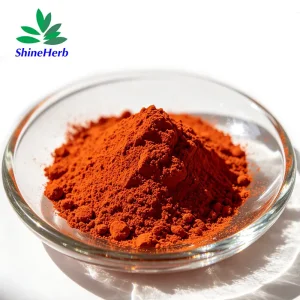
Best USP Fluorescein Sodium Salt CAS 518-47-8 for Ophthalmology Manufacturers Serving Indonesia
Wholesale Food Grade Disodium Succinate FCC Standard Natural Umami Booster for Indonesian Food Processors
High-Purity D-Ribose Powder Food Grade for Indonesia Cellular Energy & Sports Nutrition Formulators
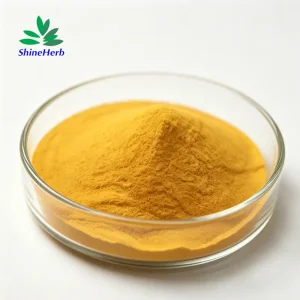
High-Quality Vitamin B2 Riboflavin CAS 83-88-5 Bulk Supply for Indonesian Dietary Supplement Factories
Indonesia’s Industrial Landscape: The Growing Frontier for High-Purity Raw Materials
Analyzing the shift across ASEAN's largest economy toward localized downstream pharmaceutical manufacturing, premium functional nutrition, and halal-certified bio-actives.
Economic Modernization & The Downstreaming Revolution (Hilirisasi)
Indonesia represents Southeast Asia's powerhouse economy, registering consistent annual GDP growth above 5.0% and boasting a dynamic demographic dividend of over 278 million citizens. Under the Indonesian Ministry of Industry's "Making Indonesia 4.0" master roadmap, strategic priorities have centered firmly on establishing self-reliance in chemical intermediates, food formulations, and active pharmaceutical ingredients (APIs). Manufacturing centers across Greater Jakarta (Jabodetabek), Karawang, Surabaya, and Semarang are undergoing massive capital modernization, shifting away from standard bulk agricultural commodities toward complex bio-refined solutions.
This macroeconomic shift has exposed a critical industrial bottleneck: Indonesia’s domestic manufacturing sector remains heavily reliant on importing specialized chemical active ingredients, synthetic peptides, purified coenzymes, and pharmaceutical intermediates. Industrial procurement teams are actively establishing direct factory ties with certified global manufacturers capable of securing large-tonnage consistency, stringent impurity profiling, and robust regulatory compliance documentation.
Food & Beverage Processing Giants
Home to multinational F&B conglomerates like Indofood, Mayora Indah, and Wings Group, Indonesia's packaged foods sector demands hundreds of metric tons of clean-label flavor precursors, natural taste enhancers like Disodium Succinate (FCC grade), and fortified vitamin blends to combat micronutrient deficiencies across the archipelago.
The "Beauty & Personal Care" Boom
Propelled by local digital-native brands such as Somethinc, Scarlett Whitening, and Paragon Technology (Wardah), the Indonesian cosmeceutical market demands cutting-edge peptides like Argireline (Acetyl Hexapeptide-8), high-potency D-Biotin for trichological care, and soothing Menthol Crystals for tropical skincare applications.
Pharma & Diagnostic Modernization
Under Indonesian Presidential Instruction No. 6/2016 concerning the Acceleration of the Pharmaceutical Industry Development, domestic makers of diagnostic kits, injectable solutions, and sterile ophthalmic agents require high-assay USP Fluorescein Sodium Salt and amino precursors meeting extreme heavy-metal thresholds.
Solving Global Sourcing Vulnerabilities in Raw Ingredient Procurement
Bypassing trading intermediaries to secure verified supply chains, mitigate assay volatility, and overcome maritime logistics hurdles into Tanjung Priok and Tanjung Perak.
Overcoming Maritime Moisture, Tropical Degradation, and Assay Degradation
Procurement managers operating in tropical equatorial climates face persistent risks of product degradation. High ambient humidity (often exceeding 85% RH) and average temperatures of 31°C across Indonesian storage depots can quickly destabilize sensitive hygroscopic crystalline powders, including crystalline Diindolylmethane (DIM), Betaine Hydrochloride, and crystalline amino acids like L-Tyrosine and L-Threonine.
When raw material suppliers fail to employ nitrogen-flushed pharmaceutical-grade aluminum foil liners and high-density polyethylene (HDPE) hermetic outer drums, moisture ingress triggers agglomeration, crystalline caking, and rapid hydrolytic degradation of active moieties. ShineHerb implements standardized multi-barrier packaging featuring desiccant packs, double food-grade polyethylene heat seals, and heavy-wall fiber drums. This safeguards the bulk powder's particle size distribution (D50/D90) and ensures strict dissolution kinetic performance even after long-haul transits from factory gates to domestic warehouse docks.
Batch Traceability and Analytical Integrity: The Risk of Sub-Standard Adulteration
Global market volatility often introduces sub-potent or synthetically spiked raw ingredients into the commercial distribution chain. For high-value botanicals like 20-Hydroxyecdysone (Ecdysterone) or biotechnologically synthesized peptides such as Argireline, conventional UV spectrophotometry is frequently exploited by low-tier traders to mask substandard purity profiles.
ShineHerb enforces comprehensive High-Performance Liquid Chromatography coupled with Photodiode Array Detection (HPLC-DAD), Gas Chromatography-Mass Spectrometry (GC-MS), and Nuclear Magnetic Resonance (NMR) structural validation for every batch released. Indonesian QA teams receive raw chromatographic raw data, full impurity profiling reports, and residual solvent clearances conforming to ICH Q3C standards, neutralizing regulatory audit rejections during post-market BPOM sampling.
Ready to Audit Our Quality Management System?
Direct factory procurement with verified Certificates of Analysis (CoA), full 16-section MSDS, and full documentation packs designed specifically for Indonesian BPOM registration.
Send Inquiry Now - Request Full Factory Audit PackNavigating BPOM Regulations, Halal BPJPH Mandates & Customs Clearance
Operational compliance blueprint covering Law No. 33 of 2014, SKI (Surat Keterangan Impor), and full validation under Indonesian National Standards (SNI).
BPJPH Halal Certification & HAS 23000
Under Indonesian Law No. 33 of 2014 and mandatory enforcement deadlines, all food, beverage, cosmetic, and health supplement products sold in Indonesia must possess verified Halal compliance. ShineHerb provides end-to-end supply chain transparency, ensuring raw materials are produced in facilities strictly devoid of porcine derivatives, with clean equipment protocols and cross-contamination prevention audited under HAS 23000 guidelines.
BPOM Import Permits (SKI Border & Post-Border)
To register finished products with BPOM (Badan Pengawas Obat dan Makanan) and obtain NIE (Nomor Izin Edar), Indonesian importers must submit Surat Keterangan Impor (SKI). ShineHerb supports your regulatory affairs team with batch-traceable Certificates of Origin (COO), certified Stability Data under Zone IVB conditions (30°C / 75% RH), and pesticide/heavy-metal screening certificates.
Form E Preferential Tariff Utilization
Under the ASEAN-China Free Trade Area (ACFTA), Indonesian buyers can leverage Form E Preferential Certificates of Origin to reduce import duties down to 0% across our catalog lines. Our logistics operations team handles seamless documentation coordination with Indonesian forwarders, reducing demurrage exposure and ensuring swift container releases at port terminals.
Technical Roadmap: Next-Generation Bio-Processing & Formulation Science
Driving formulation efficiency through precision bio-fermentation, micro-encapsulation, and enhanced bioavailability architectures tailored for equatorial retail shelf-life.
Precision Fermentation
Transitioning from petrochemical synthesis to non-GMO bacterial microbial fermentation for L-Threonine and D-Ribose, ensuring ultra-pure enantiomeric profiles with zero chemical residual solvents.
Micro-Encapsulation
Applying liposomal lipid bilayer matrices and protective cyclodextrin complexes around oxidation-sensitive molecules like Vitamin B2 and DIM to prevent degradation under high humidity.
Bioavailability Tech
Engineering micronized crystal lattices (D90 < 15 microns) for Betaine HCL and Ecdysterone, enhancing gastrointestinal absorption and enabling lower active dosage thresholds in finished capsules.
Continuous In-Line QC
Integrating continuous Near-Infrared (NIR) spectroscopic monitoring and automated HPLC fraction verification across production lines to eliminate human error in batch release certificates.
Full Industrial Bulk Supply Portfolio Serving Indonesia
Explore our full line of bulk active ingredients, metabolic modulators, cosmetic peptides, and amino acid salts with guaranteed inventory ready for export.
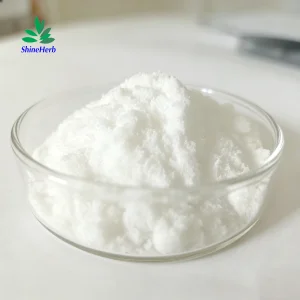
Diindolylmethane (DIM) High-Purity Supplement Ingredient for Indonesian Nutritional Formulators
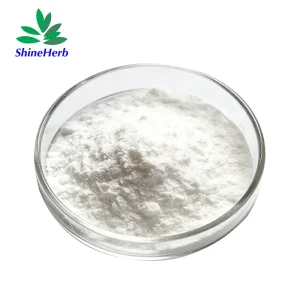
Food Grade L-Threonine Powder Amino Acid Raw Material for Indonesian Dietary Supplement Plants
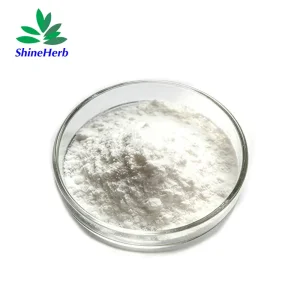
High-Purity D-Biotin Powder (Vitamin B7) for Indonesian Hair Growth & Topical Cosmeceuticals
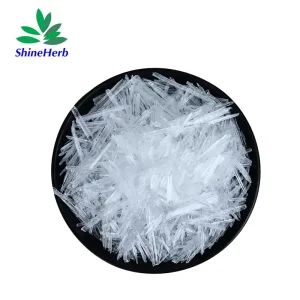
Wholesale Menthol Crystals 100% Natural High-Purity for Indonesian Balms & Cosmetics
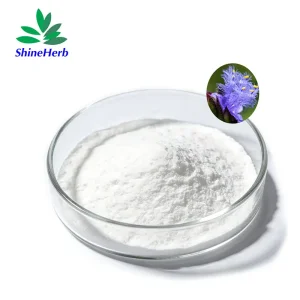
Bulk Natural Ecdysterone / 20-Hydroxyecdysone Raw Material for Indonesian Sports Supplements
Wholesale L-Tyrosine Powder Amino Acid for Indonesian Cognitive & Focus Supplement Exporters
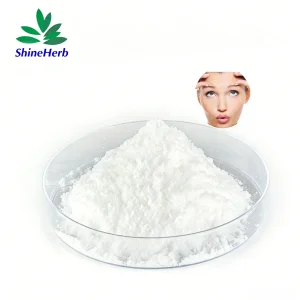
Argireline Peptide (Acetyl Hexapeptide-8) Anti-Wrinkle Active for Indonesian Premium Cosmeceuticals
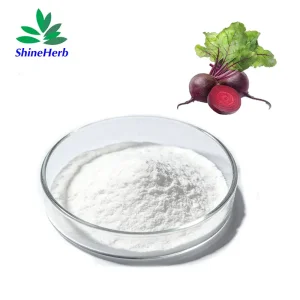
Bulk Betaine Hydrochloride (Betaine HCL) Powder for Indonesian Health Supplement Factories
Frequently Asked Questions: Sourcing Raw Ingredients for Indonesia
Clear answers to common questions regarding customs clearance, minimum order quantities (MOQ), Halal compliance documentation, and shelf-life stability.
How do you ensure shipments comply with Indonesia's BPJPH mandatory Halal law (Law No. 33 of 2014)?
What documents are provided with bulk shipments for BPOM SKI (Surat Keterangan Impor) approval?
What are the standard freight transit times and incoterms available for Indonesian ports?
How are sensitive ingredients like Argireline, DIM, and Betaine HCL packaged to prevent moisture damage in tropical climates?
What are your typical Minimum Order Quantities (MOQs) for commercial production vs. pilot R&D batches?
Can you adjust physical properties such as bulk density, particle size (mesh), or flowability for high-speed tableting?
Initiate Your Indonesian Procurement Contract Today
Connect directly with our senior application specialists to receive immediate bulk price quotations, request regulatory documentation packs, or arrange sample shipments to your facility.