
Primary Active Portfolio
High-Purity Bio-Identical Actives for Immediate Importation into Ghana
Essential molecular ingredients with complete HPLC certificates, heavy-metal toxicology profiles, and documented thermodynamic stability suitable for West Africa's climate.
Ghana Clinical Anti-Aging: Acetyl Hexapeptide-8 (Argireline) Neuro-Inhibiting Peptide
Product Technical Specs
Ghana Wrinkle Smoothing: Cosmetic Grade Syn-Ake (Dipeptide Diaminobutyroyl Benzylamide)
Product Technical Specs
Ghana Formulation Market: Natural Bakuchiol 98% (Natural Retinol Alternative)
Product Technical Specs
Ghana Market Intelligence
The Evolution of Cosmetic Chemistry in Ghana: From Traditional Shea to Precision Cosmeceuticals
An industrial evaluation of changing manufacturing standards, regulatory integration under Ghana FDA (Food and Drugs Authority), and the shifting consumer demand across West Africa.
Industrializing Accra & Kumasi’s Production Hubs
Ghana’s cosmetics sector has historically relied on unprocessed indigenous oils—primarily wild unrefined Butyrospermum parkii (shea butter) and virgin palm kernel oil. However, the domestic cosmetics ecosystem in industrial epicenters like the Greater Accra Region (Spintex, Tema industrial enclaves) and Kumasi is experiencing a fundamental structural shift. Local manufacturing brands are migrating away from simple commodity soaps and greasy pomades toward clinical-grade dermocosmetics.
Rising disposable incomes, growing urban dermatological awareness, and digital connectivity have generated substantial demand for targeted solutions treating post-inflammatory hyperpigmentation (PIH), uneven melanogenesis, accelerated solar damage, and barrier dysfunction caused by fluctuating sub-Saharan humidity and urban particulates.
Ghana FDA Regulatory Rigor & AfCFTA Integration
Formulating cosmetic goods within Ghana now demands rigorous compliance with the Ghana Food and Drugs Authority (FDA) Guidelines for Registration of Cosmetics. The enforcement of strict upper thresholds for heavy metal impurities (Lead < 20 ppm, Arsenic < 2 ppm, Mercury < 1 ppm), microbiological limits (total viable aerobic count < 1000 CFU/g for standard topicals, < 100 CFU/g for eye and baby care), and absolute bans on hydroquinone, corticosteroids, and carcinogenic lightening agents has forced manufacturers to re-evaluate their chemical supply chains.
Furthermore, with Ghana serving as the Secretariat headquarters for the African Continental Free Trade Area (AfCFTA), Accra-based producers are uniquely positioned to serve as the continental export gateway to an aggregate market of 1.3 billion consumers, requiring world-class raw material documentation, COAs, and INCI traceability.
Global Chemistry Infrastructure
Global Advances in Synthetic Biology, Peptides, and High-Titer Phytochemistry
How state-of-the-art bio-fermentation and solid-phase peptide synthesis (SPPS) are outperforming traditional bulk botanical extracts in formulation consistency and dermal efficacy.
01. Solid-Phase Peptide Synthesis (SPPS)
Contemporary cosmeceutical peptides—such as Argireline (Acetyl Hexapeptide-8), Syn-Ake, and Tripeptide-29—are engineered via precision Fmoc/tBu solid-phase chemical coupling. Unlike unstandardized botanical decoctions whose active constituent percentages fluctuate based on rain patterns and seasonal soil changes, synthetic peptides are produced with defined molecular structures, ensuring consistent biological activity per microgram.
02. Precision Industrial Fermentation
Hyaluronic Acid and Ergothioneine are produced via non-GMO bio-fermentation using optimized bacterial strains (such as Streptococcus zooepidemicus and microbial host cells). Enzymatic cleavage produces defined multi-molecular weight fractions: high-molecular-weight polymers create film-forming epidermal shields, while ultra-low oligomeric fractions (< 10 kDa) achieve dermal-epidermal junction (DEJ) penetration.
03. Chiral Separation & Purified Isomers
Ingredients like Bakuchiol 99% and Tranexamic Acid require advanced preparative chromatography. In crude seed extracts, psoralen photo-toxins can cause severe phytophotodermatitis under Equatorial sunlight. Pure isolated Bakuchiol eliminates furanocoumarin compounds, providing retinol-grade clinical gene expression without burning or photosensitizing darker skin tones.
| Active Ingredient | Standard Molecular Weight | Core Mechanism of Action | Compatibility in Tropical Bases | Primary Formulation Function |
|---|---|---|---|---|
| Sodium Hyaluronate | 3 kDa – 2.2 MDa | Binds 1000x its weight in water; cross-links keratinocytes | High water solubility; stable in light emulsions & hydrogels | Transepidermal hydration, skin turgor restoration |
| Acetyl Hexapeptide-8 | 888.99 Da | Competes for SNAP-25 complex; inhibits catecholamine release | Thermostable up to 45°C; pH tolerance 4.0 - 7.5 | Dynamic expression line smoothing, micro-wrinkle relief |
| Syn-Ake (Tripeptide) | 495.53 Da | Reversible antagonist of muscle nicotinic AChR (mnAChR) | Aqueous stable; compatible with non-ionic emulsifiers | Rapid-action facial muscular relaxation |
| Tranexamic Acid | 157.21 Da | Inhibits plasmin-induced melanogenesis & VEGF expression | Resistant to thermal oxidation; non-discoloring | Melasma clearance, post-acne dark spot attenuation |
| L-Ergothioneine (EGT) | 229.30 Da | Translocated via OCTN1 transporter; mitochondrial scavenger | Extremely photostable compared to Ascorbic Acid | ROS neutralization, photo-pollution defense |
Supply Chain Superiority
China’s Direct Manufacturing Infrastructure: Scaling Production for Ghanaian Enterprises
Bridging global price gaps, eliminating intermediate brokerage margins, and ensuring ISO/cGMP compliance from batch to shipment.
Integrated Upstream Upward Vertical Integration
European and North American cosmetic raw material re-packagers routinely purchase pharmaceutical intermediates, bulk amino acid monomers, and botanical isolates from Chinese manufacturing reactors before simply rebranding and marking them up by 300% to 700%. By partnering directly with Chinese synthesis plants, Ghanaian brand owners bypass intermediary trading overhead, securing factory-gate FOB or CIF Tema/Kotoka pricing.
This price efficiency frees up vital working capital for domestic manufacturers to invest in precision homogenizers, automated liquid filling lines, and local FDA testing regimes.
Uncompromising Quality Systems & Analytical Testing
Modern Chinese biotechnology facilities operate strictly under ISO 9001:2015, ISO 22716 (Cosmetic GMP), and cGMP validation protocols. Every commercial production batch undergoes mandatory analytical release:
- High-Performance Liquid Chromatography (HPLC) for absolute enantiomeric and chemical purity
- Inductively Coupled Plasma Mass Spectrometry (ICP-MS) for heavy metal trace analysis
- Gas Chromatography-Mass Spectrometry (GC-MS) for zero residual solvents verification
- Automated microbial bioburden counts (USP 61/62 methods) with verified Certificate of Analysis (COA)
Formulation Science
Formulation Strategies Tailored for Tropical Climates and Melanin-Rich Skin
Scientific methods for integrating peptides and active raw materials into light, breathable, non-comedogenic bases suited for West African ambient conditions.
Addressing Post-Inflammatory Hyperpigmentation (PIH)
Fitzpatrick Phototypes IV–VI contain larger, more dispersed eumelanin-rich melanosomes that react aggressively to mechanical micro-injuries, UV exposure, and acne inflammation. The clinical synergy of Tranexamic Acid (2.0–5.0%) and Bakuchiol (0.5–1.0%) blocks tyrosinase activation and downregulates arachidonic acid inflammatory cascades, lifting deep pigment deposits without the cellular toxicity of prohibited skin bleaching agents.
Heat-Stable Hydration Systems
In tropical climates like Accra’s, with humidity exceeding 80% and temperatures topping 32°C, heavy petrolatum bases cause follicular occlusion and widespread Malassezia folliculitis. Formulating with Multi-Molecular Sodium Hyaluronate allows formulators to craft ultra-sheer water gels and essence milks that draw ambient moisture into the stratum corneum without leaving greasy surface residues.
Collagen Protection Against Solar Breakdown
High UV indices induce matrix metalloproteinase-1 (MMP-1) overexpression, degrading structural fibrillar collagen. By incorporating biomimetic signaling peptides like Tripeptide-29 alongside cellular antioxidants like L-Ergothioneine, formulators can directly trigger dermal procollagen-1 synthesis while preserving fibroblastic vitality under intense daily sun exposure.
Future Outlook
Emerging Trends Shaping Ghanaian and African Cosmeceutical Markets (2025–2035)
Technological shifts, clinical clean beauty movements, and bio-fermentation disruptions transforming cosmetic manufacturing across the continent.
1. The Rise of "Clean Clinical" Formulations
African consumers are increasingly demanding certified dermatological actives backed by double-blind clinical trials. The era of generic cold-pressed botanical claims is being replaced by precise percentages declared directly on the primary display panel (e.g., "5% Multi-Peptide Solution," "2% Bakuchiol Skin Shield"). Brands formulating with verifiable, transparent raw ingredients are capturing the upper-tier retail shelf space in department stores and pharmacy chains across West Africa.
2. Micro-Needling Spicules & Non-Invasive Penetration
Innovations in natural bio-silica, specifically Hydrolyzed Sponge Spicules, provide a natural physical micro-channeling delivery pathway. When incorporated into professional skin peeling creams, these microscopic siliceous needles create trans-dermal micro-conduits, boosting the trans-stratum absorption of large hydrophilic molecules like marine collagen peptides and hyaluronic polymers by up to 400% without chemical penetration enhancers.
Procurement Guidelines
B2B Sourcing Protocol: How Ghanaian Manufacturers Qualify Chemical Suppliers
Standard operating procedures to eliminate counterfeit ingredients, assure batch reproducibility, and ensure seamless clearance at the Ports of Tema and Takoradi.
Phase A: Documentation Verification
Never issue commercial payments without receiving and cross-checking a lot-specific Certificate of Analysis (COA), an updated 16-section Safety Data Sheet (SDS) conforming to GHS Revision 8, and a Technical Data Sheet (TDS). Crucially, ensure the CAS number aligns with the globally registered INCI monograph.
Phase B: Pilot Batch Pilot Testing
Order 100g to 1kg commercial sample quantities to verify physical appearance, color dispersion, solubility curves, and pH stability in finished base matrices. Run dynamic stability tests at 45°C and 75% relative humidity for 30 consecutive days to simulate Ghanaian warehouse conditions.
Phase C: Logistics & Climate Preservation
Sensitive biomimetic peptides and fragile antioxidants require thermal protection during sea transit through the Gulf of Guinea. Insist on vacuum-sealed aluminum moisture-barrier foil bags, desiccants, and insulated container shipping or express airfreight directly to Kotoka International Airport.
Start Sourcing Direct from Certified Production Lines
Request comprehensive product dossiers, regulatory documentation packets, and technical sample sets formulated for Ghanaian regulatory approval and climate stability.
Comprehensive Ingredient Catalog
Advanced Actives, Peptide Complexes & Botanical Isolates for Ghana
Expand your formulation portfolio with clinically tested raw materials, bio-synthetic extracts, and bioactive peptides engineered for anti-aging, barrier repair, and hyperpigmentation care.
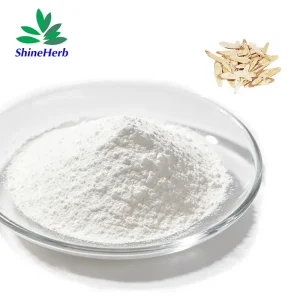
Ghana Cellular Longevity: Bulk Astragalus Extract 98% Cycloastragenol
Product Technical Specs
Ghana Photo-Defense: Pure Ergothioneine (EGT) L-Ergothioneine Antioxidant
Product Technical Specs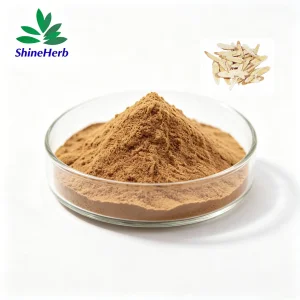
Ghana Dermal Healing: Astragaloside IV Powder High Purity Botanical Active
Product Technical Specs
Ghana Elasticity Booster: Anti-Wrinkle Tripeptide-29 (Gly-Pro-Hyp)
Product Technical Specs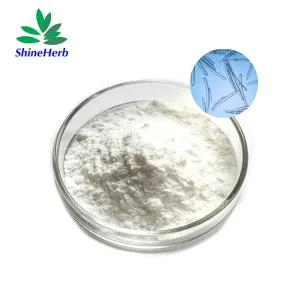
Ghana Clinical Peeling: Hydrolyzed Sponge Micro-Spicule Powder
Product Technical Specs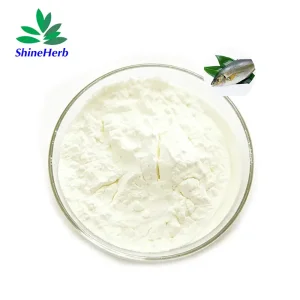
Ghana Firming Complex: Hydrolyzed Marine Fish & Bovine Collagen Peptides
Product Technical Specs
Ghana Brightening Solution: Pure Cosmetic Grade Tranexamic Acid Powder
Product Technical Specs
Ghana Perfumery & Pomade: Synthetic Ambroxide Pure Ambergris Crystals
Product Technical Specs
Technical & Commercial FAQ
Frequently Asked Questions: Sourcing Cosmetic Actives in Ghana
Practical answers on import documentation, cold-chain handling, Ghana FDA compliance, and stability formulation.
How do cosmetic peptides hold up during transit under West African climatic conditions?
Lyophilized (freeze-dried) peptides like Argireline (Acetyl Hexapeptide-8) and Tripeptide-29 remain chemically stable in solid powder form at ambient temperatures (up to 40°C) for several weeks, provided they are shielded from humidity and direct UV light. For sea container shipping through Tema, we seal all peptides in multi-layer vacuum foil pouches with food-grade molecular sieve desiccants. Once reconstituted by the formulator in aqueous media, preservatives like Phenoxyethanol/Ethylhexylglycerin must be incorporated, and finished products stored below 25°C.
What specific documentation is provided to satisfy Ghana FDA cosmetic product registration?
Every export shipment includes a lot-specific Certificate of Analysis (COA) specifying exact HPLC assay values, heavy metal limits (Lead, Arsenic, Cadmium, Mercury), and microbiological counts. We also provide complete Technical Data Sheets (TDS), 16-section Safety Data Sheets (SDS), certificates of non-animal origin, BSE/TSE-free declarations, and INCI identification statements necessary for Ghanaian regulatory clearance.
Why is Bakuchiol preferred over conventional Retinol in West African skincare bases?
Retinol degrades rapidly when exposed to high heat and UV radiation, transforming into irritant photoproducts that trigger intense contact dermatitis and severe post-inflammatory hyperpigmentation on melanin-rich skin. Bakuchiol 99% stimulates identical cellular retinol receptors and collagen upregulation without causing cutaneous scaling, burning, or photo-instability, making it the ideal anti-aging active for tropical Ghanaian formulations.
What are the minimum order quantities (MOQs) and standard lead times for Accra & Kumasi?
For high-value cosmetic peptides and specialized actives (e.g., Argireline, Ergothioneine, Cycloastragenol), MOQs start at just 100 grams to support pilot batches and artisanal clinical brands. For bulk functional raw materials (e.g., Sodium Hyaluronate, Tranexamic Acid, Marine Collagen), MOQs typically start at 1 kg to 25 kg fiber drums. Express air courier to Kotoka International Airport (Accra) requires 4 to 7 business days, while full container loads (FCL) to the Port of Tema average 28 to 35 days.