
Flagship Cosmetic Actives Engineered for Peru’s Dermocosmetic Sector
Targeted biochemical solutions resolving high solar radiation, transepidermal water loss (TEWL) in coastal Lima, and cellular photoaging in the Andean highlands.
Multi-Molecular Sodium Hyaluronate Polymer for Peruvian Skincare Formulations
Function: Multi-depth epidermal hydration & barrier defense
Argireline (Acetyl Hexapeptide-8) Neuromuscular Snare Inhibitor for Peru Importers
Function: Attenuates dynamic micro-contractions & expression lines
Cosmetic Grade Syn-Ake (Dipeptide Diaminobutyroyl Benzylamide) for Anti-Wrinkle Serums
Function: Reversible muscle nicotinic AChR antagonist
Natural 99% Bakuchiol Phyto-Alternative to Retinol for Andean Photoprotection
Function: Non-photosensitizing collagen I, III synthesis promoter
The Peruvian Personal Care & Dermocosmetics Market: Macro Dynamic Analysis
A rigorous review of shifting consumer expectations, climatic environmental pressures, and the emergence of domestic manufacturing hubs in Peru.
Peru’s personal care and beauty industry has experienced a systemic structural evolution over the past decade. Driven by rising middle-class disposable income in major metropolises such as Lima, Arequipa, Trujillo, and Chiclayo, the market has rapidly pivoted from traditional mass-market perfumery and basic soaps toward advanced dermocosmetics, clinical anti-aging treatments, and active-ingredient-led skincare. According to market data from the Cosmetic and Hygiene Guild of the Lima Chamber of Commerce (COPECOH), the skincare segment continues to register resilient compounding growth, outperforming standard decorative cosmetics.
Crucial to this commercial expansion is Peru's distinct geographic and environmental reality. The country encompasses three distinct ecological zones: an arid, hyper-humid coastal strip (represented by Metropolitan Lima, where atmospheric particulate pollution meets marine dampness), the towering Andean highlands (characterized by extreme elevation, cold, and some of the world's most severe Ultraviolet Radiation indices, frequently exceeding UV 14+), and the eastern Amazon basin. These distinct microclimates expose the Peruvian demographic—predominantly classified within Fitzpatrick skin phototypes III, IV, and V—to intense photoaging pressures, solar lentigines, melasma, and hyper-pigmentary disorders, alongside environmental moisture loss.
Consequently, local contract manufacturers (OEM/ODM facilities), private-label brands, and multinational laboratories operating within Peru require high-performance, verifiable raw materials. Rather than depending on broad, non-standardized botanical extracts, Peruvian cosmetic chemists are turning toward clinically validated bioactive cosmetic peptides, stabilized brightening compounds like Tranexamic Acid, biomimetic moisturizers like multiple molecular weight Hyaluronic Acid, and purified plant-derived anti-aging agents like Bakuchiol and Cycloastragenol.
Clinical Dermocosmetics
Rapid growth in clinical dispensing networks, pharmacies (InkaFarma, Mifarma), and dermatological clinics demands clinical trial-backed efficacy parameters.
- Targeted cellular repair peptides
- Inhibition of MMP-1 & collagenase
Extreme Photoprotection Actives
Formulations must combine classic broad-spectrum organic/mineral sunscreens with deep-layer cellular protectors that neutralize UV-induced reactive oxygen species (ROS).
- Mitochondrial antioxidant Ergothioneine
- Non-irritating phyto-retinol (Bakuchiol)
Traceable Clean Supply Chain
Exporters must guarantee batch integrity, absence of ethylene oxide or banned solvents, and comprehensive heavy metal profiles satisfying Peruvian customs.
- Full CAS and INCI registry indexing
- Microbiological sterility verification
Navigating Peruvian Regulatory Frameworks: DIGEMID & CAN Compliance
Critical documentation protocols for importing cosmetic ingredients through Callao, obtaining Mandatory Sanitary Notifications (NSO), and harmonizing with Andean Community decisions.
In Peru, the regulatory oversight of cosmetic products and raw materials is administered by the General Directorate of Medicines, Supplies, and Drugs (DIGEMID - Dirección General de Medicamentos, Insumos y Drogas), under the Ministry of Health (MINSA). Operating under the supranational legal architecture of the Andean Community (CAN), cosmetic commercialization is primarily governed by Decisión 833 (which harmonized and modernized Decisión 516), regulating the production, storage, import, and commercial surveillance of cosmetics across Peru, Colombia, Ecuador, and Bolivia.
The Mandatory Sanitary Notification (NSO) Process
For any Peruvian manufacturer or importer to register a finished formulation, every active ingredient and raw material in the formulation must possess complete technical dossiers that integrate seamlessly into the Notificación Sanitaria Obligatoria (NSO) application. As an experienced exporter to Peru, we supply technical packets structured precisely to satisfy DIGEMID assessors:
| Required Regulatory Document | Standard Assayed / Verification | DIGEMID Technical Relevance |
|---|---|---|
| Certificate of Analysis (COA) | Batch-specific HPLC, MS, UV-Vis, Titration | Confirms raw material assay percentage, exact isomer ratio, and batch uniformity. |
| Safety Data Sheet (SDS / MSDS) | GHS 16-Section format (English/Spanish) | Identifies toxicological thresholds, ocular/dermal non-irritancy, and eco-toxicity. |
| Technical Specification Sheet (TDS) | Refractive index, melting point, mesh size | Establishes the chemical identity and physical stability baseline. |
| Heavy Metals & Residual Solvents | ICP-MS (Pb <10ppm, As <2ppm, Hg <1ppm, Cd <1ppm) | Mandatory under CAN Decisión 833 to guarantee absence of toxic impurities. |
| Microbiological Purity Certificate | USP <61> & <62> / EP standards (<100 CFU/g) | Confirms zero pathogen load (absent P. aeruginosa, S. aureus, C. albicans). |
| TSE / BSE & Non-Animal Declaration | Synthesis route or certified biofermentation | Guarantees bio-origin safety for peptides and biopolymers. |
Stability Testing Requirements for Climatic Zone IVb
Peru requires formulations to undergo stability validation under WHO Climatic Zone IVb parameters (30°C ± 2°C and 75% ± 5% RH). Active ingredients, particularly biomimetic peptides and fragile antioxidant molecules, are susceptible to hydrolysis or thermal denaturation if not engineered with intrinsic structural stability. Our peptide synthesis and lyophilization technologies ensure our products remain stable throughout international transit to the Port of Callao or Jorge Chávez International Airport (LIM), maintaining high potency upon integration into customer formulation vats.
Biochemical Mechanism Analysis: Peptides & High-Altitude Photoprotection
In-depth cellular pathways demonstrating how bio-engineered oligopeptides and stabilized antioxidants mitigate UV-induced erythema, collagen breakdown, and melanin overproduction.
Neurotransmitter Modulation
Dynamic expression wrinkles around the orbicularis oculi and forehead are accelerated by solar glare. Acetyl Hexapeptide-8 and Syn-Ake act as biomimetic botulinum-mimicking peptides.
- Disrupts SNAP-25 protein complex
- Suppresses vesicular acetylcholine exocytosis
- Reduces wrinkle depth by up to 30% in 28 days
Extracellular Matrix (ECM) Synthesis
Tripeptide-29 (Gly-Pro-Hyp) provides the exact amino acid triad found in native collagen fibrils. It signals dermal fibroblasts to upregulate pro-collagen synthesis.
- Stimulates Type I and Type III collagen
- Counteracts UV-activated Matrix Metalloproteinases
- Restores cutaneous elasticity and firmness
Mitochondrial Longevity Pathways
High solar radiation produces destructive intracellular singlet oxygen. Ergothioneine utilizes the specialized cellular OCTN-1 transporter to protect DNA.
- Neutralizes hydroxyl and peroxynitrite radicals
- Prevents mitochondrial membrane breakdown
- Synergizes with Cycloastragenol for telomere defense
Addressing Melasma and Solar Lentigo in Andean Demographics
Post-inflammatory hyperpigmentation (PIH) and melasma are common dermatological complaints among Peruvian consumers. Melanin overproduction in Fitzpatrick types III–V is primarily triggered by solar ultraviolet radiation and underlying vascular inflammation.
Tranexamic Acid (trans-4-(Aminomethyl)cyclohexanecarboxylic acid) has emerged as an essential therapeutic active in Peruvian lightening serums. Mechanistically, it functions as a reversible competitive inhibitor of plasminogen activation. By blocking the binding of plasminogen to keratinocytes, it decreases arachidonic acid liberation and reduces alpha-melanocyte-stimulating hormone (α-MSH) production, directly suppressing tyrosinase activity without cytotoxic bleaching effects.
Enterprise Procurement Logistics: From Synthesis Facilities to Port of Callao
End-to-end supply chain reliability, specialized cold-chain peptide handling, batch-to-batch chromatographic reproducibility, and zero-defect customs release.
Temperature-Controlled Logistics
Cosmetic peptides (solid lyophilized powders or sterile stabilized solutions) are packed in insulated thermal containers with validated data-logging monitors.
- Air Freight via Jorge Chávez (LIM) (4-7 days)
- FCL / LCL Ocean shipments to Callao (25-30 days)
Customs Documentation Packs
Every shipment is accompanied by commercial invoices with exact HS Codes (Harmonized Tariff Schedule), consular declarations, packing lists, and original bilingual COAs.
- SUNAT classification alignment
- Rapid green-channel customs clearance
Batch Traceability & Retention
Reference retention samples from every export production run are archived in environmental stability chambers for 36 months to guarantee post-market support.
- Automated lot tracking across runs
- Complete audit trail availability
Technical Roadmap: Hybridizing Global Peptides with Peruvian Biodiversity
Developing next-generation formulas that blend pharmaceutical-grade imported peptides with native Peruvian botanicals (Sacha Inchi, Camu Camu, Tara Spinosa, and Maca).
A prominent emerging trend among cutting-edge Peruvian cosmetic formulators is the integration of internationally synthesized bioactive peptides with Peru’s rich botanical biodiversity. By combining advanced biotechnological molecules with high-yield native extracts, brands are creating distinctive product identities for both the domestic market and export across the Andean Community and Mercosur.
Peptide + Sacha Inchi Oil
Biochemical Target: Stratum Corneum Lipid Barrier Regeneration.
Combining Plukenetia volubilis seed oil (rich in Omega-3, 6, and 9 essential fatty acids) with Hydrolyzed Collagen Peptides and Hyaluronic Acid creates an intensive lipid-protein dual replenishment matrix, counteracting coastal humidity shifts and desert trans-epidermal water loss.
Ergothioneine + Camu Camu
Biochemical Target: Synergistic Antioxidant Cascades.
Camu Camu (Myrciaria dubia) contains high concentrations of natural L-ascorbic acid. Formulating it alongside L-Ergothioneine establishes an advanced redox recycling system: Ergothioneine regenerates oxidized ascorbic acid, preventing pro-oxidant reactions under intense Andean solar exposure.
Syn-Ake + Tara Gum Delivery
Biochemical Target: Extended Surface Bioavailability.
Tara gum galactomannans (from Caesalpinia spinosa) form a 3D biopolymer meshwork on the epidermis, creating a prolonged-release matrix for low-molecular-weight peptides like Syn-Ake and Tripeptide-29, sustaining anti-wrinkle efficacy over 12 continuous hours.
Frequently Asked Questions: Importing Raw Materials & Peptides to Peru
Comprehensive regulatory, scientific, and commercial guidance for purchasing teams, regulatory affairs directors, and laboratory chemists.
What documentation is provided to clear DIGEMID inspection and register the NSO in Peru?
How are cosmetic peptides protected from thermal degradation during transit to Callao or Lima Airport?
Why is Bakuchiol increasingly preferred over conventional Retinol in Peruvian formulations?
What are the minimum order quantities (MOQs) and lead times for Peruvian cosmetic laboratories?
Can your laboratory supply custom molecular weight cuts of Sodium Hyaluronate for customized penetration profiles?
Request Technical Dossiers & Working Samples for Peru
Partner with a reliable manufacturer offering verifiable batch assays, rapid DIGEMID registration documentation, and dependable shipping to Lima and Callao.
Specialized Bio-Actives, Cellular Extenders & Peptides for the Peru Market
A comprehensive inventory of raw materials for advanced skincare, anti-pigmentation serums, micro-needling alternatives, and anti-aging treatments.
High-Purity 98% Cycloastragenol Powder for Telomere Activation Creams in Peru
Function: Telomerase activator combating cellular senescence
L-Ergothioneine (EGT) Bio-Fermented Antioxidant for Andean High-UV Skincare
Function: OCTN-1 transporter mediated cellular photoprotection
Pharmaceutical-Grade Astragaloside IV Extract for Peruvian Barrier Repair Formulas
Function: Inhibits inflammatory NF-κB; accelerates microvascular recovery
Pure Tripeptide-29 (Gly-Pro-Hyp) Powder for Collagen-Boosting Dermal Treatments
Function: Boosts Type I procollagen; tightens extracellular architecture
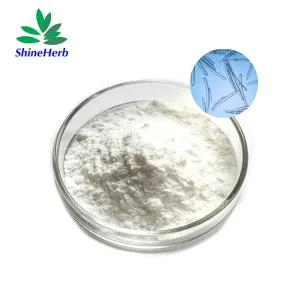
Hydrolyzed Sponge (Sponge Spicules 99%) for Bio-Microneedling Peels in Lima Salons
Function: Micro-channel transdermal active drug delivery acceleration
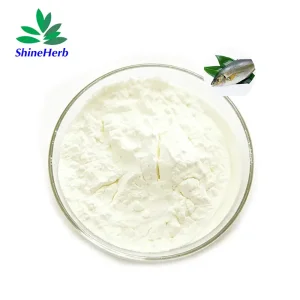
Low-Dalton Hydrolyzed Marine & Bovine Collagen Peptides for Peruvian Importers
Function: Superior water retention, film tensioning & barrier restoration
Cosmetic-Grade Tranexamic Acid Powder (CAS 1197-18-8) for Peruvian Lightening Serums
Function: Inhibits plasminogen-keratinocyte cascade & UV hyperpigmentation
High-Purity Ambroxide (CAS 6790-58-5 / 4733-39-5) Fine Fragrance Fixative for Peru
Function: Sophisticated ambergris fixative with long-lasting scent projection