Neuro-Cognitive Support
View Specifications & COA
High-bioavailability raw ingredients manufactured in strict compliance with pharmacopoeial monographs (BP/EP/USP) for Australian TGA-listed and over-the-counter health formulations.
An analytical overview of the AUD $5.7 billion Australian complementary healthcare market, exploring rigorous Therapeutic Goods Administration (TGA) demands and raw material sourcing economics.
Australia boasts one of the most sophisticated, trusted, and strictly regulated complementary healthcare markets on the globe. Overseen by the Therapeutic Goods Administration (TGA), dietary supplements, herbal compounds, and botanical extracts are not treated merely as loose food additives—as is frequently the case under the U.S. DSHEA framework—but are categorized as "Complementary Medicines" under the Therapeutic Goods Act 1989. This dual classification requires that any ingredient imported into Sydney, Melbourne, Brisbane, or Perth for incorporation into Listed (AUST L) or Assessed Listed (AUST L(A)) therapeutic goods must satisfy stringent quality, safety, and efficacy parameters.
Over the past 36 months, Australian wellness procurement teams have shifted significantly away from spot-market trading toward resilient, vertically integrated manufacturing partnerships. The fundamental drivers include:
Every botanical active must have an authorized Australian Approved Name (AAN), comply with Therapeutic Goods Order No. 101 (Standard for Tablets, Capsules and Pills), and strictly meet maximum limits for elemental impurities and residual extraction solvents.
Demand across urban centers for memory, mental acuity, and cortisol management has driven triple-digit consumption gains for high-solubility compounds such as Magnesium L-Threonate, L-Carnosine, and high-purity Quercetin.
Given Australia's extreme UV exposure indices, topical and oral dermatological protection utilizing natural tyrosinase inhibitors—such as Kojic Acid Dipalmitate and Tetrahydrocurcumin—represents the fastest expanding cosmeceutical niche.
How our standardized extracts integrate directly into domestic industrial processing lines across Australia's leading consumer health verticals.
Supplying pre-homogenized, free-flowing spray-dried powders optimized for high-speed tableting and two-piece hard encapsulation machinery. Our raw materials demonstrate consistent tap-density, minimum friability, and zero electrostatic bridging for CMO lines like Catalent Australia, Lipa Pharmaceuticals, and Vitex Pharmaceuticals.
Australia's strict banned-substance regulations make solvent purity non-negotiable. Our lipid-soluble actives (e.g., Kojic Acid Dipalmitate, Tetrahydrocurcumin, D-Alpha Tocopherol) feature ultra-low color values, zero residual aromatic hydrocarbons, and high thermal stability during emulsion compounding.
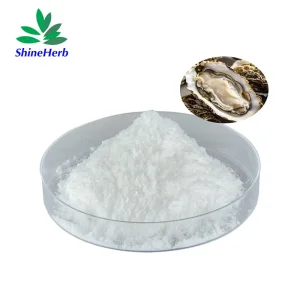
Meeting the demands of Australian athletes requires pure, micronized (200-mesh) powders that achieve total cold-water suspension within seconds. From pure Creatine Monohydrate to marine Oyster Peptides, our products pass independent WADA/HASTA screening protocols with ease.
The Australian thoroughbred racing industry and premium domestic pet market mandate pharmaceutical-grade joint care compounds. We export heavy-metal-cleared Chondroitin Sulfate (99% bovine source) and marine Chitosan that comply fully with APVMA import conditions.
We manufacture neutral-carrier botanical extracts designed specifically to blend seamlessly with iconic Australian native species—including Kakadu Plum, Finger Lime, Tasmanian Pepperberry, and Lemon Myrtle—without inducing organoleptic or enzymatic destabilization.
Through dedicated production suites compliant with stringent GMP standards, we manufacture specialized clinical reagents including USP Fluorescein Sodium Salt for diagnostic ophthalmic strips and topical ocular application solutions used in clinical clinics Australia-wide.
Unmatched natural raw biomass integration from the Qinling Mountain botanical corridor coupled with world-class continuous automated extraction lines.
Why do tier-one Australian health science enterprises rely on Shaanxi ShineHerb Biotech as their core manufacturing partner? Sourcing from Western intermediary traders often introduces a 30% to 55% distributor margin markup and 12-to-16-week logistics delays. Conversely, localized Australian extraction faces immense cost per kilogram hurdles due to high domestic water, electricity, and manual labor inputs.
Our extraction facilities in the Xi'an Hi-Tech Industrial Development Zone operate at the geographic epicentre of China's pharmaceutical herb harvesting territory. By establishing farm-to-factory vertical traceability, ShineHerb secures raw raw-biomass under direct contract-farming agreements, maintaining stable pricing and uninterrupted shipment availability even during global freight disruptions.
| Evaluation Parameter | ShineHerb Biotech (Xi'an, China) | Local Australian Extractors | EU / US Repackagers |
|---|---|---|---|
| Raw Material Origin & Traceability | Direct cultivation base; Qinling Mountain wild harvesting contracts; full DNA barcode identity verification. | Limited indigenous species; high reliance on imported pre-extracted crude slurries. | Third-party re-brokered stocks with multi-layered traceability chains. |
| Extraction Technology | Supercritical CO2, Countercurrent Dynamic Multi-Stage Extraction, Membrane Separation. | Small-scale batch percolation; predominantly aqueous or simple ethanol distillation. | Mainly toll-milling and secondary blending without primary extraction assets. |
| Analytical QC Capability | In-house HPLC, GC-MS, ICP-MS (heavy metals ppb), TLC, Enzymatic Activity Monograph validation. | Outsourced third-party testing (SGS/ALS), adding 2–3 weeks to lot release schedules. | Batch re-testing with variable analytical protocol alignment. |
| Cost Efficiency Index | Optimal Base Factory Cost | 250% – 400% higher operational overheads. | 40% – 70% distributor markup margin. |
| TGA Dossier Compliance Package | Pre-formatted Batch Manufacturing Records (BMR), Route of Synthesis, Residual Solvent Profiles (ICH Q3C). | Standard domestic compliance, but limited volume scalability. | Variable; often requires lengthy secondary auditing questionnaires. |
Pioneering green biotechnology, advanced liposomal encapsulation, and molecular fingerprint standardization to future-proof Australian wellness brands.
Eliminating organic solvents completely. Utilizing low-temperature, high-pressure subcritical and supercritical carbon dioxide to isolate sensitive polyphenols and lipids without thermal degradation or VOC residues.
Developing pharmaceutical phospholipid envelopes for sensitive fat-soluble nutrients (such as Omega-3 Fish Oil EPA/DHA and Vitamin E Oil) to eradicate oxidation and increase human intestinal bioavailability by up to 800%.
Migrating rare herbal components from chemical synthesis to sustainable biological fermentation. Utilizing precision multi-enzyme cascades to produce ultra-pure active forms of Chitosan, Nattokinase, and marine collagen peptides.
Deploying continuous inline Near-Infrared (NIR) spectroscopy with machine-learning algorithms to monitor chemical marker elution in real-time, delivering batch standardization tolerances under ±0.5% active assay variance.
Navigating TGA GMP clearance, Department of Agriculture, Fisheries and Forestry (DAFF) biosecurity mandates, and BICON import permit protocols.
Australia enforces strict biosecurity rules under DAFF. We provide certified Non-Animal / Animal Treatment Declarations, irradiation certificates, and scientific manufacturing declarations to breeze through BICON biosecurity clearance at Port Botany, Melbourne Port, and Brisbane.
Every batch shipped to Australia is validated via ICP-MS to comply with Therapeutic Goods Order No. 101 thresholds: Lead (Pb) < 3.0 ppm, Arsenic (As) < 1.0 ppm, Cadmium (Cd) < 0.5 ppm, and Mercury (Hg) < 0.1 ppm, with zero tolerance for pathogenic microbes.
To support your TGA Quality Safety Assessor submissions, our regulatory affairs division supplies comprehensive documentation: TSE/BSE Freedom statements, GMO declarations, allergen declarations, Flow Charts of Manufacture, and residual solvent gas chromatography profiles (ICH Q3C).
Comparing supply chain frameworks, regulatory barriers, and market trajectories across North America, the European Union, and the Asia-Pacific region.
The global botanical extracts market is projected to reach USD $65.8 billion by 2030, charting an aggressive Compound Annual Growth Rate (CAGR) of 8.9%. However, the operational reality of procurement differs radically depending on jurisdiction:
1. North America (FDA 21 CFR Part 111): The United States represents the largest volume market, dominated by dietary supplements where botanical ingredients enter under Dietary Supplement Health and Education Act (DSHEA) post-market notifications. Formulators focus on cost and novel NDI registrations, but quality discrepancies frequently arise in downstream retail audits.
2. European Union (EFSA Novel Foods & EMA HMPC): Europe maintains high botanical safety thresholds with rigid Traditional Herbal Medicinal Products Directive (THMPD) guidelines and stringent Novel Food regulations. Verification of polycyclic aromatic hydrocarbons (PAHs), ethylene oxide (EtO), and pesticide multi-residue panels (over 450 compounds) dominates the compliance focus.
3. Australia (TGA / PIC/S Complementary Medicines): Australia represents the world's benchmark for consumer confidence. Because Australian consumers and international export markets (particularly across Southeast Asia and mainland China) perceive Australian "Made in Australia" health products as gold-standard, Australian CMOs must maintain pharmaceutical rigor. By partnering with ShineHerb Biotech, Australian brands acquire pharmaceutical-integrity raw materials at integrated Chinese primary-producer pricing.
Connect directly with our Xi'an technical synthesis and botanical extraction engineering team. We provide sample packs, complete technical dossiers, and formal quotation pricing within 24 business hours.
Send Inquiry NowCrucial commercial, technical, and regulatory clarity addressing questions raised by Australian QA auditors and sourcing managers.
Pure nutraceutical vitamins, natural animal and marine extracts, and cosmeceutical antioxidants manufactured under rigid quality systems for the Australian market.