
Bioavailability Tech
Send Technical Inquiry
Premium ingredients adapted for pharmaceutical plants in Attica, nutritional brand formulators in Central Macedonia, and export-driven cosmetic laboratories across Greece.
An authoritative industrial white paper analyzing production bottlenecks, biological catalyst penetration, and regulatory requirements across Greece's key economic sectors.
Greece stands as one of the most specialized food manufacturing ecosystems in the European Union. Its signature dairy segment, dominated by traditional Feta PDO (Protected Designation of Origin), Greek strained yogurt, and Kasseri cheeses across Thessaly, Epirus, and the Peloponnese, relies heavily on enzymatic performance. Industrial dairies are under pressure to optimize milk clotting times, standardize seasonal fluctuations in ewe and goat milk protein content, and maximize curd yield without violating stringent PDO authenticity mandates.
Microbial rennets (chymosin derived from fermentation) and tailored lactases have become non-negotiable. Furthermore, the massive surge in global demand for lactose-free authentic Greek dairy requires ultra-pure, neutral-pH lactases that guarantee total lactose hydrolyzation down to <0.01% without off-flavors, browning, or bitter peptides during long logistics chains across Europe and North America.
In regions such as Crete, Kalamata, and Laconia, extra virgin olive oil (EVOO) producers face yield limitations and emulsion losses in two-phase and three-phase centrifugal decanters. Cold extraction regulations mandate temperatures strictly below 27°C, which restricts thermal viscosity reduction. Food-grade pectinases, cellulases, and hemicellulases applied during the malaxation phase gently break down the vegetable cell walls of the drupes, releasing trapped lipid droplets and dramatically elevating bioavailable oleocanthal and hydroxytyrosol polyphenol yields by 14% to 22%.
Simultaneously, the Peloponnese and Northern Greek winemaking hubs (Naoussa, Nemea, Drama) increasingly employ oenological glucanases and pectin lyases. These clarify unfermented musts, extract stable anthocyanins from thick-skinned Agiorgitiko and Xinomavro grapes, and improve filterability without stripping the delicate aromatic bouquets that define Greek varietal wines.
The worldwide shift from petrochemical catalysts to specialized biocatalysis is revolutionizing manufacturing economics, carbon footprints, and batch-to-batch yield metrics.
Modern industrial enzyme design employs computational deep learning to stabilize tertiary protein conformations against extreme pH and thermal degradation. For Mediterranean industrial climates where processing plants operate under elevated ambient temperatures, our heat-stable proteases and thermostable amylases preserve catalytic activity without requiring excessive cooling water expenditures.
European Union consumer regulations (Regulation EC No 1332/2008) are increasingly phasing out synthetic chemical processing aids in bakery, starch, and beverage processing. Microbial enzymes act as biological catalysts that deactivate naturally after processing, allowing Hellenic food manufacturers to eliminate chemical emulsifiers (such as DATEM and SSL) from their exported retail packaging.
Greek food processing leaves significant organic by-products, including cheese whey (over 700,000 tons annually) and olive pomace. Enzymatic bio-refining breaks down whey permeate into high-value galacto-oligosaccharides (GOS) and bio-ethanol using specialized immobilized beta-galactosidases, turning costly disposal liabilities into profitable revenue streams.
From pharmaceutical tablet compression in Attica to industrial baking in Thrace, explore concrete formulation blueprints driven by high-efficiency biocatalytic enzymes.
The concentration of generic pharmaceutical plants and contract manufacturing organizations (CMOs) around Athens and Koropi requires high-standard raw materials. From proteolytic enzymes like pharmaceutical-grade Papain and Bromelain used in anti-inflammatory digestives to pure crystalline Ursodeoxycholic Acid (UDCA) for hepatoprotective formulations, our supplies match European Pharmacopoeia (EP) monographs with full impurity profiling.
Industrial bakeries in Patras and Attica producing traditional Greek pita bread, phyllo pastries, and frozen sourdough for export encounter freeze-thaw gluten breakdown. Our specialized fungal alpha-amylases, xylanases, and glucose oxidases reinforce the gluten matrix, prolong dough elasticity during blast-freezing, and provide superior crust coloration without artificial sugars.
Greek craft breweries and traditional pomace brandy (Tsipouro) distillers face varied starch liquefaction hurdles due to local raw barley and grape must sugars. Our thermo-tolerant glucoamylases and beta-glucanases eliminate viscosity problems caused by non-malted adjunct grains, boosting fermentation attenuation and lowering distillation boiler fouling.
With an expanding dietary supplement sector headquartered in Athens and Thessaloniki, local brands produce advanced digestive complexes and longevity nutraceuticals. Liposomal encapsulation (like Liposomal Curcumin and Liposomal Quercetin) paired with active microbial lactases, cellulases, and lipases guarantees high clinical bioavailability and superior consumer tolerance.
Greek cosmetic companies famous for Mediterranean herbal, propolis, and olive-based cosmetics utilize bio-fermentative enzymes to digest active botanicals into low-molecular-weight phyto-nutrients. Incorporating gentle enzymatic exfoliants (subtilisin, papain) and functional co-factors like Apigenin enhances skin barrier repair without chemical irritation.
Modern Greek textile finishing operations and municipal/industrial wastewater plants require robust cellulase treatments for fabric biopolishing, alongside high-activity lipase preparations to digest stubborn fat and grease deposits in food processing effluent streams before biological filtration.
Strategic development stages for industrial enzymes, addressing sustainable processing, zero-waste imperatives, and next-generation immobilized biocatalyst reactors.
Lyophilized micro-granulation and advanced lipid micro-encapsulation techniques to protect enzymes from moisture, ambient humidity, and maritime shipping conditions into Greek ports.
Deployment of reusable silica- and chitosan-immobilized lactase and lipase reactors within Greek processing plants, permitting continuous multi-cycle fluid processing with negligible loss of enzyme units.
Isolating and expressing hyper-thermophilic and halophilic enzymes capable of catalyzing reactions in high-salinity brine environments, tailor-made for traditional Greek cheese brining and olive pickling operations.
Custom de novo enzyme sequence creation within hours, specifically calibrated to unique customer substrate matrices with verified absence of allergenic epitope sequences for direct food additive approval.
Overcoming Southern European shipping friction, customs hurdles, and temperature-controlled logistics through our robust direct-to-plant delivery infrastructure.
As a global direct manufacturer, our logistics networks capitalize on deep-sea maritime direct lines into the Port of Piraeus (the premier logistics gateway to Southern Europe) and the Port of Thessaloniki. This guarantees expedited container clearance and streamlined road freight delivery across the Attica industrial belt, Boeotia, Thessaly, and Central Macedonia within 48 to 72 hours of vessel mooring.
For urgent formulation campaigns and high-activity enzyme batches susceptible to ambient heat, temperature-controlled air freight arrives directly at Athens International Airport (Eleftherios Venizelos) with pre-filed customs documentation, avoiding bureaucratic delays.
Importing bio-actives and enzymes into the European Union demands strict adherence to EU food enzyme regulations (Regulation (EC) No 1332/2008), the General Food Law (Regulation (EC) No 178/2002), and pharmacopoeial monographs (EP, FCC, USP). Every industrial shipment is accompanied by batch-specific Certificates of Analysis (COA) documenting verified enzyme activity (ALU/g, GDU/g, FU/g, U/g), heavy metals, pesticide screens, and absence of viable genetically modified organisms (non-GMO statements).
We provide full technical documentation dossiers to assist Greek R&D and Quality Assurance departments with National Organization for Medicines (EOF) notifications and EFSA food safety audits.
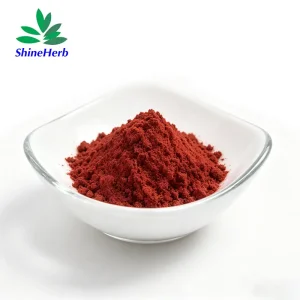
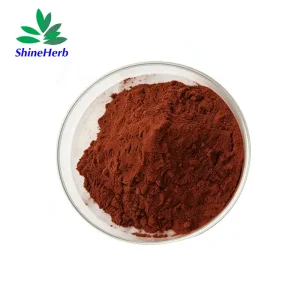
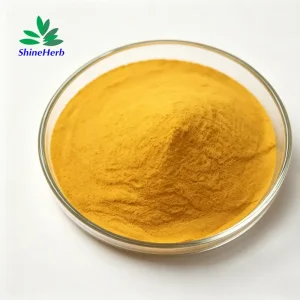
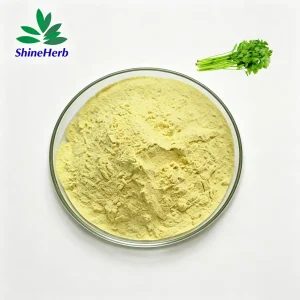
Fully certified bulk bio-compounds, antioxidants, and enzyme cofactors manufactured under strict cGMP protocols for Greek and European formulation facilities.
Clear technical, regulatory, and logistics answers compiled by our application biochemists and regulatory compliance specialists.
Whether you require FCC-standard lactases for dairy facilities in Thessaly, oenological pectinases for Aegean winemaking, or USP/EP raw actives for pharmaceutical production in Attica, our technical sales engineers are ready to structure your contract supply.