
High-Purity Active Ingredients & Intermediates
Explore our export-ready nutraceutical, cosmetic, and functional botanical fractions tested under strict cGMP protocols and verified batch-by-batch via HPLC, GC-MS, and polarimetry.
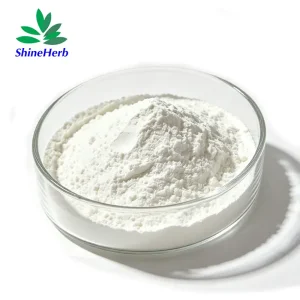
China Niacinamide Vitamin B3 Powder 99% for Skin Care & Supplements Manufacturers, Factory
View Product Details →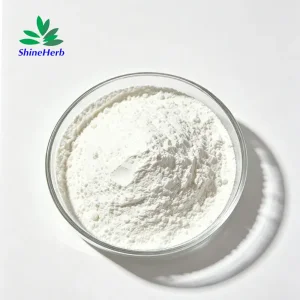
Best Thiamine mononitrate food grade Vitamin B1 Nutritional Supplements Manufacturer, Supplier
View Product Details →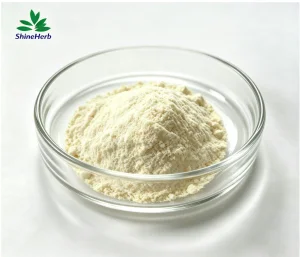
High-Quality High Purity 98% Urolithin A Powder CAS 1143-70-0 Shineherb Manufacturer Manufacturers, Manufacturer
View Product Details →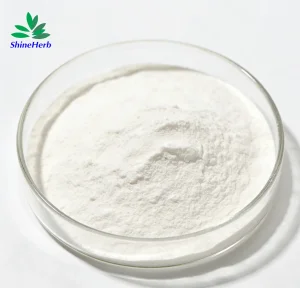
Wholesale Liposomal Vitamin C for Immune Health Manufacturers, Supplier
View Product Details →
Wholesale Factory Supply EDTA Calcium Disodium 99% Food Grade Manufacturer, Exporters
View Product Details →
Buy Chondroitin Sulfate 99% Natural Bovine Source for Dietary Supplement Manufacturers, Companies
View Product Details →
Best Bulk Polydeoxyribonucleotide PDRN 99% Cosmetics Grade Suppliers, Exporter
View Product Details →
Best Pharma Grade Benfotiamine CAS 22457-89-2 Mood Support Supplement Manufacturers, Suppliers
View Product Details →High-Purity Limonene: Chemical Architecture & Industrial Monograph
A comprehensive examination of monoterpene isomer isolation, boiling point curves, thermal stability under vacuum distillation, and analytical validation for B2B global supply chains.
| Monograph Parameter | Technical Specification Standard | Analytical Verification Method | Regulatory / Compendial Reference |
|---|---|---|---|
| Chemical Nomenclature | (4R)-1-methyl-4-(prop-1-en-2-yl)cyclohex-1-ene (D-Limonene) | IUPAC / Structural Validation | CAS: 5989-27-5 | EINECS: 227-813-5 |
| Assay / Chromatographic Purity | ≥95.0% (Tech Grade) / ≥98.5% (FCC Grade) / ≥99.5% (Pharma Grade) | Capillary GC-FID (Chiral Column) | Food Chemicals Codex (FCC) / USP-NF |
| Enantiomeric Ratio (d/l) | (R)-(+)-enantiomer ≥98.5% (Absence of racemic synthetic adulteration) | Chiral GC-MS / Polarimetry | ISO 856:2006 / IFRA Critical Guidance |
| Specific Optical Rotation [α]D20 | +96° to +104° (neat, 20°C) | Automatic Photoelectric Polarimeter | European Pharmacopoeia (EP 2.2.7) |
| Refractive Index (n20/D) | 1.4710 – 1.4740 at 20°C | Abbe Refractometry (Temperature Controlled) | ASTM D1218 / USP <831> |
| Relative Density (20/20°C) | 0.840 – 0.846 g/cm³ | Digital Oscillating U-Tube Densitometry | ISO 279 / EP 2.2.5 |
| Initial Peroxide Value (POV) | < 5.0 meq O₂/kg (Protected with food-grade Tocopherol/BHT) | Potentiometric Redox Titration | IFRA 51st Amendment / ISO 3960 |
| Heavy Metals & Residual Solvents | Pb <1.0 ppm, As <0.5 ppm, Cd <0.2 ppm, Hg <0.1 ppm | ICP-MS / Headspace GC-FID | USP <232> / <233> / EP 5.20 |
The Science of Pure Terpene Extraction
Limonene is a naturally occurring monocyclic terpene predominantly concentrated in the flavedo of citrus fruits (*Citrus sinensis*). While crude cold-pressed orange oil contains approximately 90% to 95% d-limonene alongside waxy sterols, aldehydes, and complex sesquiterpenes, technical and pharmaceutical engineering demands fractional separation to remove phototoxic furocoumarins and volatile oxygenated fractions.
At our Shaanxi ShineHerb processing facilities, we deploy advanced multi-plate continuous vacuum rectification systems operating under absolute pressures below 5 mbar. This thermodynamic precision avoids thermal isomerization of (R)-(+)-limonene into terpinolene, isoterpinolene, or p-cymene, securing exceptional organoleptic stability and a crystal-clear, water-white profile.
Industrial Formulation Note: Limonene’s non-polar Kauri-Butanol (KB) solvency index of 67 surpasses mineral spirits (KB ~30) and matches hazardous chlorinated hydrocarbons (KB ~80). By utilizing our refined food-grade and technical fractions, multinational formulators successfully eliminate aromatic carcinogens (benzene, xylene, toluene) from heavy-duty degreasing and aerospace flux removal compounds.
China Factory Infrastructure & Supply Chain Resilience
Harnessing domestic citrus agro-forestry ecosystems and high-throughput multi-column rectification plants to ensure dependable year-round deliveries and predictable FOB/CIF economics.
Upstream Agricultural Integration
Our raw citrus condensate and cold-pressed orange peels originate from integrated processing partnerships across Jiangxi, Hunan, and Sichuan citrus belts. This secured biomass pipeline buffers buyers from global spot-market harvest fluctuations experienced in the Americas.
Continuous High-Vacuum Rectification
Equipped with 30-meter packed vacuum distillation columns operating under reduced thermal load, our facility isolates high-assay monoterpenes without catalyzing conjugate double bond cyclization. We process up to 15 metric tons per cycle with real-time GC feedback.
Global Export Logistics & Packaging
We supply bulk volumes in 170kg epoxy-coated steel drums, 850kg IBC composite totes, and 20,000L marine ISO-tanks with nitrogen sparging and oxygen-barrier headspace preservation, meeting full maritime IMDG Class 3, UN 2052 transport specifications.
Global Enterprise Procurement & Compliance Standards
Cross-jurisdictional compliance protocols that safeguard pharmaceutical, food, fragrance, and technical industrial clients during comprehensive vendor quality audits.
EU REACH & CLP Certified
Full active REACH registration dossiers supporting unrestricted importation into the European Single Market. Complete SDS hazard profiles classified under Regulation (EC) No 1272/2008 with specific labeling for skin sensitization and aquatic safety.
US FDA 21 CFR GRAS
Classified under 21 CFR §182.20 as Generally Recognized As Safe (GRAS) for direct human food consumption and natural synthetic flavoring. Compliant with FEMA (No. 2633) and US EPA Safer Choice program guidelines for green chemical synthesis.
IFRA 51st Amendment Standard
Fragrance-grade fractions conform strictly to the International Fragrance Association limits. We verify that peroxide values remain strictly below 20 mmol/L at time of dispatch via automated titration, prohibiting formation of sensitizing limonene hydroperoxides.
Kosher, Halal & ISO Systems
Produced under certified ISO 9001:2015, ISO 22000, and HACCP operating systems. Full Halal and Kosher certification dossiers issued annually, verifying 100% plant-origin raw materials with zero animal enzymes or cross-contamination.
Localized Industrial Use Cases & Downstream Formulations
Delivering tailor-made terpene cuts designed to satisfy strict regional engineering specifications across diverse multi-continental industries.
North America: Precision Degreasing & Circuit Flux Cleaners
In the US and Canadian electronics manufacturing corridors, our high-flash-point Dipentene and D-Limonene cuts function as non-ozone-depleting solvent substitutes for trichloroethylene (TCE). They excel in dissolving rosin-based soldering flux, silicone oils, and cured conformal coatings without etching aluminum substrates.
Europe: Eco-Certified Detergents & Fine Cosmetics
European consumer goods leaders incorporate our FCC >98.5% d-limonene as natural aroma top notes and grease-cutting bio-surfactants in EU Ecolabel dishwashing liquids, multi-surface polishes, and luxury perfumes. Low-peroxide guarantees eliminate oxidation by-products that trigger contact dermatitis.
Latin America & Middle East: Heavy Oil & Sludge Dispersion
Oilfield services operating in the Gulf Coast and GCC region utilize technical limonene bio-solvents to disperse heavy asphaltic deposits, paraffin waxes, and oil-based drilling muds downhole. Its 100% bio-derived chemical status eases offshore discharge restrictions compared to aromatic solvents.
Macro Trends Shaping Terpene Chemistry: 2026–2030
Navigating the shift toward zero-VOC regulations, circular economy mandates, and bio-based industrial drop-in chemicals.
The Decarbonization of Industrial Solvents
Global petrochemical directives, including the EU Green Deal's Chemicals Strategy for Sustainability and tightening US Clean Air Act VOC exemptions, have accelerated the phase-out of mineral turpentine, acetone, petroleum ether, and chlorinated solvents. Industrial manufacturers are actively re-engineering legacy degreasing tanks with naturally derived terpene matrices.
D-Limonene represents a completely renewable, carbon-neutral drop-in alternative. Synthesized biogenetically inside citrus fruits via the mevalonic acid pathway, its utilization diverts thousands of tons of orange and mandarin processing waste from municipal landfills into circular-economy value streams. Life Cycle Assessments (LCA) demonstrate that substituting petroleum-based aromatic hydrocarbons with citrus d-limonene reduces greenhouse gas emissions across solvent lifecycles by over 68%.
Antioxidant Engineering & Stability Enhancement
A primary historical vulnerability of unsaturated monoterpenes has been atmospheric auto-oxidation upon extended exposure to UV radiation and dissolved ambient oxygen, yielding limonene-1,2-oxide and carvone. These degradation products degrade solvency performance and violate IFRA cosmetic safety parameters.
To provide extended chemical shelf-life for our multinational clients, Shaanxi ShineHerb has optimized proprietary nitrogen-inerted bottling infrastructure coupled with food-grade natural stabilization. By blending micro-doses (100–500 ppm) of non-GMO natural mixed tocopherols (Vitamin E) directly post-rectification, we suppress free-radical chain propagation. Our stabilized bulk drums maintain verified peroxide values of <5.0 meq O₂/kg even after trans-oceanic container voyages exceeding 60 days.
Batch Release & Analytical Testing Protocol
Four distinct validation stages executed by our in-house Xi'an quality control laboratory prior to issuing the authorized Certificate of Analysis (COA).
1. GC-FID & Enantiomeric GC-MS
Every distillation batch undergoes automated gas chromatography to profile residual low-boiling terpenes (myrcene, alpha-pinene) and verify d-limonene optical purity above specified compendial cutoffs.
2. Karl Fischer Coulometric Titration
Water content directly governs solvent clarity and ester stability. We quantify moisture down to parts-per-million levels (H₂O <0.05% w/w), preventing turbidity or emulsification when compounding anhydrous formulas.
3. Heavy Metals via ICP-MS
Screening across elemental impurities according to USP <232> and EP 5.20 standards. Confirmed zero lead, arsenic, cadmium, or mercury contamination from piping, valves, or harvesting machinery.
4. Batch Document Release & Traceability
Complete batch records are archived under an ISO 9001 quality framework for 5 years. Retain samples from each commercial lot are stored under climate-controlled nitrogen blankets to verify shelf stability over time.
Complementary Pharmaceutical, Cosmetic & Supplement Actives
In addition to monoterpene fractions, Shaanxi ShineHerb supplies high-specification raw materials to global compounding chemists and enterprise contract manufacturers.
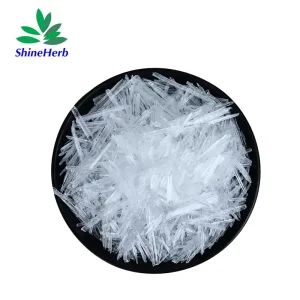
China Wholesale Menthol Crystals 100% Natural High Quality Menthol Crystal Manufacturers, Company
View Product Details →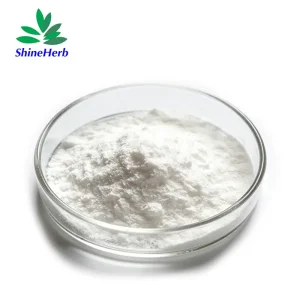
High-Quality High Purity 99% Diaminopyrimidine Oxide Powder For Anti Shedding Shampoo & Scalp Lotion Manufacturer, Company
View Product Details →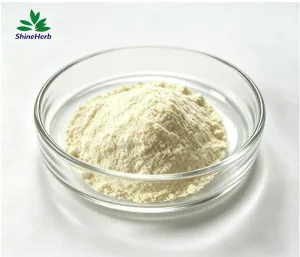
Best Bulk Vitamin A Palmitate Powder Manufacturer for Supplement Manufacturer, Company
View Product Details →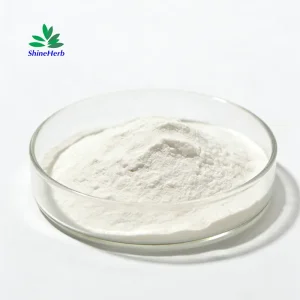
China China Manufacturer L-Carnitine Powder USP Standard API Raw Material Supplier, Exporter
View Product Details →
Wholesale Cosmetic Grade Syn-Ake for Wrinkle Reduction Exporter, Factory
View Product Details →
China Factory Supply Ambroxide CAS 4733-39-5 Synthetic Ambergris Fragrance for Cosmetic Suppliers, Company
View Product Details →
China Hot Sale Vitamin a Acetate CAS 127-47-9 Retinol Acetate Powder Supplier, Company
View Product Details →
Wholesale High quality collagen peptide Hydrolyzed Fish Collagen Peptide/Bovine collagen/ Marine Collagen Manufacturers, Company
View Product Details →Frequently Asked Questions: Bulk Limonene Sourcing
Expert answers addressing the analytical, packaging, regulatory, and hazardous materials shipping inquiries asked most frequently by industrial buyers.
What is the chemical difference between Technical Grade, Food Grade, and Dipentene?
Technical Grade D-Limonene typically contains 90%–94% d-limonene with residual terpenes like beta-myrcene and alpha-pinene, optimized for heavy degreasing. Food Grade (FCC) requires ≥95.0% to ≥98.5% d-limonene, strict low-peroxide thresholds, and complete pesticide/solvent testing. Dipentene is a commercial isomeric mixture of d-limonene, l-limonene, and terpinolene fractions offering high solvency at lower cost points.
How does Shaanxi ShineHerb prevent limonene auto-oxidation during marine transport?
Limonene oxidizes when exposed to oxygen and light, forming sensitizing hydroperoxides. We prevent this by vacuum-degassing prior to barreling, inert nitrogen gas (N₂) purging of drum/tote headspaces, optional addition of 100–500 ppm natural alpha-tocopherol (Vitamin E), and utilizing UV-impermeable fluorinated or epoxy-phenolic lined drums.
What are the hazardous material shipping classifications for export?
D-Limonene is classified as dangerous goods due to its flash point (~48°C to 51°C closed cup). For international sea freight (IMDG Code) and air transport (IATA), it ships under UN 2052, DIPENTENE (or UN 2319, TERPENE HYDROCARBONS, N.O.S.), Hazard Class 3, Packing Group III. Our export logistics team provides fully declared Dangerous Goods Declarations (DGD).
What is your minimum order quantity (MOQ) and packaging availability?
Our standard commercial MOQ is 1 full pallet (four 170kg steel drums = 680kg net). For trial R&D validations and pilot formulations, we offer 25kg UN-approved poly-pails. Full container loads (FCL) of 80 drums (13.6 metric tons) or 20,000-liter ISO-tanks are regularly fulfilled for high-volume contract buyers.
Can you provide third-party analytical cross-checks (e.g., SGS, Intertek)?
Yes. While every release includes our Xi'an laboratory's HPLC, GC-FID, and polarimetric Certificate of Analysis, we routinely facilitate pre-shipment sampling and testing via SGS, Intertek, or Eurofins upon request for assay, enantiomeric ratio, pesticide screens, and absence of synthetic additives.
What is the shelf life and recommended bulk storage protocol?
When sealed under original factory nitrogen packaging and stored below 25°C in a well-ventilated, flame-proof warehouse away from direct sunlight, the guaranteed shelf life is 24 months from manufacture date. Opened containers should be blanketed with dry nitrogen before re-sealing to prevent oxygen dissolution.