Featured Commercial Active Ingredients & Excipients
Verified manufacturing lots released under strict analytical monograph validation, ensuring direct lot-to-lot traceability for pharmaceutical intermediates, nutraceutical supplements, and bioactive formulations.
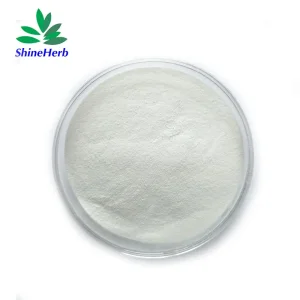
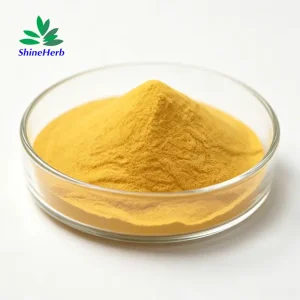
Polyvinylpyrrolidone CAS 9003-39-8 Pvp K30
View Details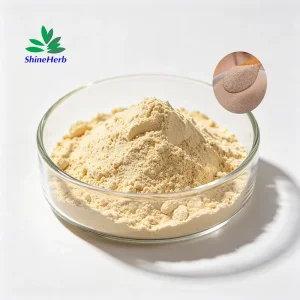
Yeast Beta Glucan Natural Food Additive
View Details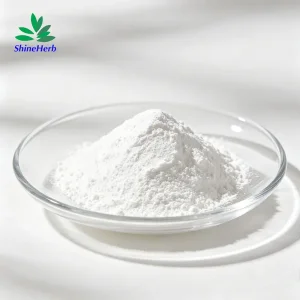
Thiamine Hydrochloride Vb1 Vitamin B1 Bulk
View Details
Bulk Polydeoxyribonucleotide PDRN 99%
View Details
Urolithin B CAS 1139-83-9 Anti-Aging Raw Material
View Details
Ambroxide CAS 4733-39-5 Fragrance Material
View Details
Diaminopyrimidine Oxide Powder 99%
View Details
Boron Glycinate 3.5% 5% Mineral Chelate
View DetailsThe Industrial & Clinical Trajectory of Lactobacillus paracasei
An in-depth assessment of taxonomy reclassification, functional postbiotics, high-density fermentation parameters, and why Lactobacillus paracasei has become the backbone of modern immunological and metabolic applications.
Taxonomic Stability & Genotype
Following phylogenetic reclassification, Lacticaseibacillus paracasei demonstrates superior genomic stability under varying pH matrices compared to conventional acidophilus strains. High-viability commercial lots require strict multi-locus sequence typing (MLST) to ensure phenotype preservation throughout commercial shelf life across European, North American, and Asian food supplement sectors.
Cell-Wall Mechanics & Postbiotics
Beyond live Colony Forming Units (CFU), non-viable heat-treated cells (tyndallized L. paracasei) exhibit exceptional affinity for gut epithelial barrier protection. Peptidoglycan structures and exopolysaccharides (EPS) retain bioactive properties, mitigating downstream thermal degradation during commercial extrusion, functional beverage processing, and baking lines where viable spores or vegetative cells typically fail.
Acid & Bile Salt Tolerance Kinetics
Industrial procurement benchmarks require minimum survival rates exceeding 85% at pH 2.5–3.0 and bile salt concentrations of 0.3% (w/v). L. paracasei exhibits specialized F0F1-ATPase proton pump systems, enabling robust transit through the gastric barrier directly into the small intestine, supporting target colonization and balanced mucosal Th1/Th2 cytokine release profiles.
China Factory Efficiency & Bio-Fermentation Scale Advantages
How state-of-the-art bioprocess automation, multi-stage cryoprotectant optimization, and regional industrial clustering deliver institutional pricing without compromising purity, cell integrity, or international compliance.
Submerged Industrial Fermentation
Our production facilities utilize automated continuous bio-reactors ranging from 10,000L to 100,000L. Advanced dissolved oxygen (DO) monitoring, automated nutrient-fed cascades, and high-precision pH tracking maximize cell density while minimizing metabolite accumulation, producing dense vegetative cell harvests that significantly outperform low-volume regional fermenters in cost-per-billion-CFU.
Proprietary Microencapsulation
To withstand shear stress in manufacturing and variable environmental humidity during international container shipping, cultured strains undergo triple-layer lipid-protein microencapsulation prior to ultra-deep cryogenic freezing. The resulting micro-spheres show markedly reduced cell membrane disruption during flash freeze-drying, preserving cell viability.
Validated Analytical Monograph Testing
Quality control operates under ISO 9001, HACCP, HALAL, KOSHER, and cGMP standards. Strain purity is authenticated through 16S rRNA gene sequencing and pulsed-field gel electrophoresis (PFGE). Contaminant screening protocols systematically exclude Salmonella, Listeria, enterotoxins, and coliforms, alongside ICP-MS heavy metal determination (Pb, As, Cd, Hg) to parts-per-billion thresholds.
Lactobacillus paracasei Bulk Raw Material Specifications
Technical parameters certified under batch release protocols, reflecting USP, EP, CP, and FCC compendial guidelines for functional dietary formulations.
| Analytical Parameter | Standard Commercial Grade | Ultra-High Potency Grade | Testing Methodology |
|---|---|---|---|
| Potency (Viable Cell Count) | ≥ 1.0 × 10¹¹ CFU/g (100B) | ≥ 5.0 × 10¹¹ CFU/g (500B) | Pour Plate Counting (ISO 7889 / IDF 117) |
| Strain Identification | Lacticaseibacillus paracasei | Genotypically Confirmed | 16S rRNA Gene Sequence / MALDI-TOF |
| Appearance & Color | Fine White to Off-White Powder | Uniform Microencapsulated Powder | Visual / Colorimetric Verification |
| Loss on Drying (Moisture) | ≤ 5.0% | ≤ 3.0% | Karl Fischer Titration / Vacuum Oven |
| Particle Size (Mesh) | 100% Pass 60 Mesh | 100% Pass 80 Mesh | Standard Sieve Analysis |
| Water Activity (Aw) | ≤ 0.15 | ≤ 0.12 | Chilled Mirror Dew Point Sensor |
| Heavy Metals (as Pb, As, Cd, Hg) | Total < 10.0 ppm | Total < 5.0 ppm (Pharma Grade) | Inductively Coupled Plasma Mass Spectrometry (ICP-MS) |
| Microbiological Safety | Non-detectable / 25g | Pathogen Negative (Salmonella, Coliforms) | PCR Multiplex / USP 61/62 Monographs |
Global Application Vectors: From Capsules to Biocosmetics
Engineered strain profiles adapted to targeted physicochemical matrices across industrial dairy, nutraceutical supplementation, metabolic formulas, and dermal biome products.
Dietary Capsules & Stick Packs
Designed for low-water-activity powders, dry-blended two-piece hard capsules, and direct-to-mouth effervescent formulations. L. paracasei demonstrates exceptional synergy when co-blended with prebiotic fibers such as fructooligosaccharides (FOS) and resistant dextrins, preventing premature cell death under typical ambient storage scenarios.
Functional Dairy & Plant-Based Ferments
Utilized as an adjunct starter culture in artisanal yogurts, fortified cheeses, and fermented oat or almond milks. The strain's enzymatic activity enhances acidification rates, improves sensory viscosity, and produces bioactive lactic acid isomers that naturally extend product shelf-life without chemical preservatives.
Topical Dermal & Scalp Biotics
Heat-stabilized lysates of L. paracasei provide high concentrations of cellular enzymes and teichoic acids. Formulated in soothing scalp serums, barrier-repair emulsions, and anti-acne cosmetics, it actively inhibits pathogenic opportunistic biofilms (such as Cutibacterium acnes) while promoting human beta-defensin-2 secretion.
Frequently Asked Questions: Global Supply Qualification
Direct answers for enterprise procurement heads, QA directors, and formulation scientists sourcing Lactobacillus paracasei on an institutional contract scale.
Q How does cold-chain logistics operate during trans-oceanic transit?
Bulk probiotic shipments are packed in multi-barrier aluminum foil vacuum sacks, encased in high-density EPS insulation boxes, and shipped with monitored dry ice or phase-change thermal gel packs. Full continuous temperature-logging telemetry devices (USB/Bluetooth) accompany each lot to verify continuous thermal integrity upon port clearance.
Q What regulatory support documents are provided for brand registration?
Each contract lot is issued a lot-specific Certificate of Analysis (COA), Master Manufacturing Formula Summary, Non-GMO Attestation, TSE/BSE Free Certification, Allergen Declarations, and MSDS/TDS technical sheets. Third-party testing records via Eurofins or SGS are available upon contractual request for FDA and EFSA dossiers.
Q What is the recommended overage percentage for capsule production?
Due to transient thermal and mechanical stresses during high-speed encapsulation or tableting, we recommend a 15% to 25% formulation overage. Thanks to our microencapsulation technology, downstream survival rates are substantially higher than non-encapsulated strains, reducing manufacturing loss.
Q Can the carrier matrix be customized for allergen-free compliance?
Yes. While pharmaceutical blends often utilize anhydrous maltodextrin or microcrystalline cellulose (MCC), we also provide 100% hypoallergenic organic rice starch, resistant tapioca dextrin, or inulin to satisfy clean-label, vegan, and non-dairy certification mandates worldwide.
Complementary Vitamins, Amino Acids & Herbal Actives
Broaden your functional formulation architecture. Our vertically integrated chemical synthesis and botanical extraction factories provide qualified ingredient streams delivered worldwide with complete monograph verification.
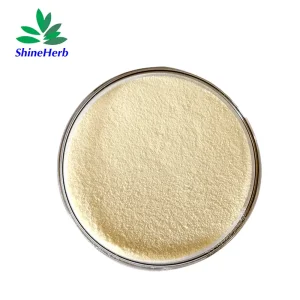
Dl-Methionine Bulk Amino Acid Feed Additive
View Details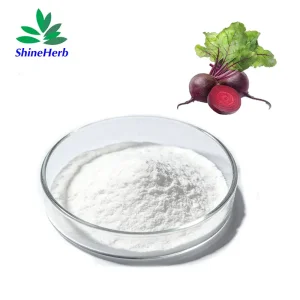
Betaine Hydrochloride Betaine HCL Powder
View Details
D-chiro Inositol Extract DCI Raw Material
View Details
Vitamin E Powder 50% Mixed Tocopherols
View Details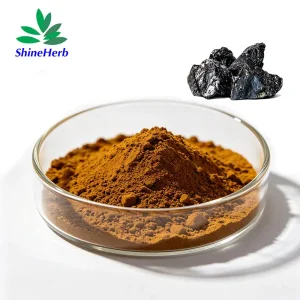
Shilajit Extract Powder Fulvic Acid 20%-50%
View Details
Dihydromyricetin Powder Vine Tea Extract
View Details
Biotin Powder 99% Vitamin B7 High Purity
View Details