Featured Dietary Ingredients & Bio-Actives Batch (Batch 01)
Integrate our precision-manufactured raw materials, from pharmaceutical intermediates and high-absorption mineral chelates to verified dietary supplement compounds.
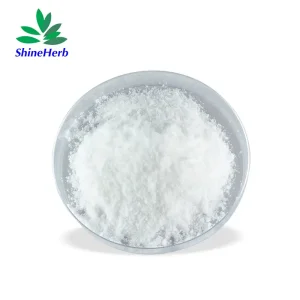
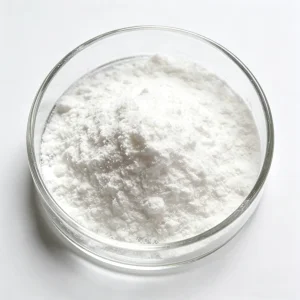
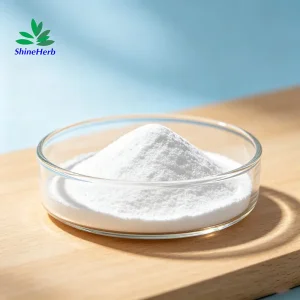
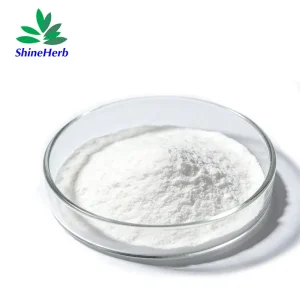
Lactobacillus fermentum: Biochemical Overview & Mechanism of Action
A comprehensive technical monograph examining strain characteristics, targeted immune signaling, resistance against gastric degradation, and antimicrobial peptide production.
Gastric & Bile Acid Resistance
Lactobacillus fermentum exhibits high cell-wall hydrophobicity and specialized S-layer surface proteins, ensuring profound survival rates through human gastric simulation (pH 2.0 - 3.0) and conjugated bile salt baths (0.3% w/v), preserving colony-forming viability until targeted ileum delivery.
Fermenticin Production & Pathogen Exclusion
As a robust heterofermentative bacterium, it produces significant titers of organic acids (lactic, acetic acid) alongside class II bacteriocins (fermenticins). These natural antimicrobial peptides target and suppress pathogenic species such as Staphylococcus aureus, Candida albicans, and Gardnerella vaginalis.
Glutathione & Free-Radical Scavenging
Unlike standard lactobacilli, specific industrial strains of L. fermentum express genes responsible for intracellular glutathione biosynthesis and superoxide dismutase (SOD) synthesis, conferring remarkable cellular protection against systemic oxidative stressors in human mucosal tissues.
Physicochemical & Microbiological Batch Specifications (Enterprise Grade)
| Test Parameter | Standard Specification | Testing Methodology | Release Compliance |
|---|---|---|---|
| Potency / Viable Cell Count | ≥ 1.0 × 10¹¹ CFU/g (100B - 500B CFU/g) | ISO 7889 / IDF 117 Enumeration | USP / FCC Monograph |
| Physical Appearance | Off-white to light yellowish free-flowing powder | Visual / Organoleptic Inspection | Internal Quality Control |
| Moisture (Karl Fischer) | ≤ 5.0% w/w | USP ⟨921⟩ Water Determination | Pharmacopoeial Standard |
| Particle Granulation | 100% through 40 Mesh, ≥ 90% through 80 Mesh | USP ⟨786⟩ Particle Size Sieve | Solid Dosage Direct Compression |
| Heavy Metals (Pb, As, Cd, Hg) | Pb ≤ 0.5 ppm, As ≤ 0.5 ppm, Cd ≤ 0.2 ppm, Hg ≤ 0.1 ppm | ICP-MS Inductively Coupled Plasma | EU 1881/2006 & USP ⟨232⟩ |
| Pathogenic Contaminants | Salmonella: Negative/25g, E. Coli: <10 CFU/g | BAM FDA Bacteriological Analytical Manual | Food Safety Clearance (HACCP) |
China Factory Supply Chain & Fermentation Infrastructure Advantages
Why leading multinational brand manufacturers partner with Shaanxi ShineHerb Biotech Co., Ltd. for scalable, high-yield probiotic active pharmaceutical and dietary production.
Advanced 50-Ton Fermentation
Continuous cascade bioreactors equipped with automated pH feeding, dissolved oxygen stabilization, and high-density biomass harvesting produce ultra-high cell concentrations at optimized energy parity.
Patented Microencapsulation
Double-layer cryoprotectant matrix technology encapsulates bacterial walls during freeze-drying, guarding viable counts against room temperature degradation and shear stress during tableting.
Continuous Cold-Chain Logistics
Equipped with temperature-monitored refrigerated freight corridors, Shaanxi ShineHerb preserves cold-chain continuity from the factory floor in Xi'an to ports in Shanghai/Qingdao and air hubs worldwide.
Cost Efficiency via Scale
Our localized agricultural culture medium raw materials, combined with massive centralized processing facilities, reduce production expenses by 25–40% compared to Western European toll fermenters.
Global Procurement Demands & Localization Regulatory Assurance
Aligning raw material documentation with rigorous jurisdictional requirements across the European Union, North America, Asia-Pacific, and Middle Eastern regions.
United States: FDA cGMP & GRAS
Compliance with 21 CFR Part 111 for dietary supplements. Full genome sequencing reports (Illumina platform) demonstrate the complete absence of transferable antimicrobial resistance (AMR) genes, ensuring frictionless submission for New Dietary Ingredient (NDI) filings or Self-Affirmed GRAS status.
European Union: EFSA QPS Monograph
Lactobacillus fermentum adheres to the Qualified Presumption of Safety (QPS) status established by EFSA. Certified non-GMO under Regulation (EC) 1829/2003 and 1830/2003, with free-from allergen verification (EC 1169/2011) covering milk/dairy, gluten, soy, and peanut derivatives.
Halal, Kosher & Clean-Label Demand
Certified by recognized Islamic authentication agencies (MUI/JAKIM compliant) and Kosher certification bodies. Complete supply chain isolation ensures no animal or ethanol inputs are utilized during the bio-fermentation cycle, meeting the strict demands of vegan and ethical product lines.
Market Trends & Next-Generation Formulation Delivery Formats
The global probiotics market is shifting toward strain-specific functionality. Here is how modern contract manufacturers format Lactobacillus fermentum across fast-growing supplement segments.
Women’s Urogenital Formulas
Co-formulated with D-Mannose, Cranberry Proanthocyanidins (PACs), and L. rhamnosus to colonize the vaginal epithelium, maintain acidic physiological pH (3.8 - 4.5), and deter recurring bacterial vaginosis and yeast infections.
Immune & Respiratory Gelled Gummies
Utilizing heat-stabilized tyndallized (postbiotic) L. fermentum powder compatible with 75°C pectin gummy production lines, maintaining immunogenic surface peptides that activate human gut-associated lymphoid tissue (GALT).
Synbiotic Fast-Melt Sachet Sticks
Engineered for direct consumption without water. Blended with low-water-activity prebiotics (FOS, XOS, inulin) and natural berry concentrates, offering 10 to 50 billion viable CFU per serving without clumping or hygroscopic decay.
Cardiovascular & Cholesterol Modulators
Synergized with Plant Sterols and Red Yeast Rice Extract. L. fermentum activates bile salt hydrolase (BSH) pathways, deconjugating bile acids in the intestine and stimulating natural hepatic cholesterol clearance from systemic circulation.
Frequently Asked Questions for Sourcing & Technical Formulators
Direct technical answers addressing viability stability, compressional tableting pressures, MOQ parameters, analytical protocols, and OEM customized strain solutions.
What is the standard potency range available for bulk L. fermentum?
We supply standardized concentrates ranging from 1.0 × 10¹¹ CFU/g (100 Billion CFU/g) up to 5.0 × 10¹¹ CFU/g (500 Billion CFU/g). Custom concentrations diluted with food-grade maltodextrin, microcrystalline cellulose (MCC), or resistant starch can be tailor-prepared to match your capsule fill formulation requirements.
How does the strain perform under tableting pressure in solid dosage forms?
Due to our proprietary dual-core microencapsulation matrix coating, our powder withstands mechanical compression up to 15–20 kN without severe cell wall fracture. We advise tablet formulators to maintain water activity (Aw) below 0.15 in blending excipients to guarantee 24-month room temperature shelf viability.
What regulatory documentation accompanies commercial shipments?
Each production batch includes a comprehensive Certificate of Analysis (COA) specifying viable plate counts, heavy metals (ICP-MS), residual moisture, and complete microbial pathogen screens. Full allergen declaration dossiers, non-GMO certificates, BSE/TSE-free statements, and ISO/HACCP/HALAL/KOSHER credentials are supplied on dispatch.
What packaging options and minimum order quantities (MOQs) apply?
Standard packaging consists of 1 kg or 5 kg multi-layer hermetically sealed aluminum foil bags purged with nitrogen gas and desiccant packs, packed inside corrugated outer export drums. Our standard commercial trial MOQ is 1 kg to support pilot scale clinical batches, scaling seamlessly to metric ton containers.
Can ShineHerb develop customized multi-strain probiotic pre-blends?
Yes. Our blending facility in Xi'an offers homogeneous blending of L. fermentum with other core probiotics (e.g., Lactobacillus acidophilus, Bifidobacterium lactis), digestive enzymes (Lactase, Bromelain, Papain), vitamins, and herbal botanicals within dedicated climate-controlled processing suites (humidity < 35%).
What are the recommended temperature controls during sea or air shipping?
While our microencapsulated powder retains potency during ambient transit up to 14 days, long-haul international maritime shipments are handled via reefers set to -18°C or 2–8°C. Express samples and urgent commercial batches are dispatched via temperature-monitored air cargo with thermal insulated packaging.
Complementary Fine Chemicals & Active Ingredients (Batch 02)
Explore our extended catalog of pharmaceutical intermediates, amino acids, cosmetic peptides, and certified vitamins engineered to elevate formulation synergy.