Catalog Highlights
Verified Botanical & Biochemical Ingredients
Direct supply with complete COA batch tracking, assay guarantees, and compliant technical dossiers for global enterprise procurement.
Wholesale Food Grade Disodium Succinate FCC Standard Natural Umami Booster Companies, Factories
View Specification
China Wholesale Menthol Crystals 100% Natural High Quality Menthol Crystal Manufacturers, Company
View Specification
Wholesale Bulk Inositol Powder CAS 87-89-8 Natural Nutritional Ingredient Supplier, Companies
View Specification
Wholesale USP Grade Calcium L-5-Methyltetrahydrofolate L-5-MTHF for Dietary Supplements Suppliers, Companies
View Specification
China Nicotinamide Riboside CAS 1341-23-7 for Health Supplement Exporters, Factories
View Specification
Wholesale Wholesale AKG CA Nutrition calcium alpha-ketoglutarate supplement ingredients Supplier, Companies
View Specification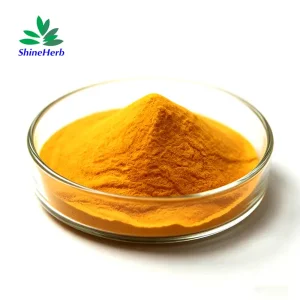
China Liposomal Coenzyme Q10 High quality Liposomal CoQ10 Manufacturers, Exporter
View Specification
Industry White Paper Insight
China Sclareolide Manufacturing: Modern Synthesis & Agricultural Integration
An in-depth review of technological evolution, raw material backward integration, and quality assurance workflows across premier Chinese manufacturing facilities.
Salvia Sclarea Origin Control
Sclareolide ((3aR,5aS,9aS,9bR)-decahydro-3a,6,6,9a-tetramethylnaphtho[2,1-b]furan-2(1H)-one, CAS: 564-20-5) is intrinsically tied to clary sage agronomy. Leading manufacturers in Shaanxi and Xinjiang maintain strict crop traceability, enabling steady biomass supply lines, optimal solvent recovery, and minimal pesticide residue levels in initial extracts.
Advanced Biocatalytic Oxidation
Traditional chemical oxidations rely on heavy metals and corrosive reagents. Top-tier Chinese facilities now utilize state-of-the-art bio-fermentation and mild catalytic oxidative cleavage methods. This green synthesis route produces natural-identical chiral sclareolide with purity routinely exceeding 98.0% by GC and HPLC.
Robust International Pharmacopeia QC
Adhering to comprehensive analytical validation protocols ensures every lot matches international standards. Laboratories operate calibrated GC-MS, HPLC, polarimeters, and ICP-MS systems to monitor optical rotation, residual solvents, heavy metals, and microbiological thresholds per batch release.
≥98.5%
Standard HPLC/GC Assay Purity
<10 ppm
Heavy Metal Control Limit
100+ MT
Annual Aggregate Export Capacity
100%
COA & Chromatogram Traceability
Cross-Sector Applications
Strategic Engineering Scenarios for Sclareolide Powder
A multi-functional sesquiterpene lactone driving innovation across fine perfumery, high-potency dermocosmetics, and metabolic health formulas.
Ambroxide & Fragrance Synthesis
Sclareolide serves as the definitive precursor for synthetic Ambrox (Ambroxan), the cornerstone of ambergris-like notes in modern luxury perfumery. Sourcing high-purity crystalline sclareolide eliminates odor impurities and ensures superior lactone-ring opening yields during downstream cyclization processes.
Cosmetic Brightening & Skin Soothing
Widely utilized in anti-pigmentation and photoaging defense formulations. Sclareolide downregulates melanogenesis via endothelin-signaling inhibition while calming inflammatory cascades triggered by UV irradiation, making it ideal for clinical-grade serums, brightening creams, and skin tone modulators.
Lipolytic & Sports Nutrition Formulations
Biomedical studies highlight sclareolide's role in cyclic adenosine monophosphate (cAMP) stimulation, a pathway associated with lipid breakdown and thermogenic activity. Functional supplement companies leverage this ingredient to produce non-stimulant body recomposition and weight-management complexes.
Technical Dossier
Standard Industrial Monograph: Sclareolide (CAS 564-20-5)
Representative batch testing guidelines and commercial release specifications established by leading manufacturing plants in China.
| Analytical Parameter | Commercial Target Specification | Testing Methodology |
|---|---|---|
| Appearance | Off-white to pure white crystalline powder | Visual & Organoleptic Inspection |
| Assay (Purity) | ≥98.0% (Specialty grades ≥99.0%) | GC-FID / HPLC Internal Standard |
| Melting Point Range | 124.0°C to 127.0°C | Capillary Melting Point Apparatus |
| Specific Optical Rotation | +45.0° to +49.0° (c=1 in ethanol) | Automatic Polarimeter @ 20°C |
| Loss on Drying | ≤ 0.50% | Vacuum Desiccation (105°C, 2h) |
| Residue on Ignition | ≤ 0.10% | Sulfated Ash (USP <281>) |
| Heavy Metals (Pb, As, Cd, Hg) | Total ≤ 10 ppm; As < 1 ppm; Cd < 0.5 ppm | ICP-MS Method |
| Residual Solvents | Ethanol < 5000 ppm; Ethyl Acetate < 5000 ppm | Headspace Gas Chromatography (GC-HS) |
Procurement Framework
Evaluating Chinese Sclareolide Suppliers: Key Verification Points
A strategic audit checklist for QA directors, supply chain managers, and contract manufacturers onboarding raw material vendors.
1. Synthetic Pathway & Impurity Fingerprinting
Buyers must verify whether the supplier uses biological oxidation of sclareol or purely synthetic conversions. Bio-oxidized sclareolide delivers optimal stereospecific enantiomeric purity (+-form), critical for downstream ambroxide olfactory profiles and cosmetic skin tolerance without unexpected chiral isomers.
2. Inventory Continuity & Production Windows
Clary sage harvest schedules run once or twice annually. Experienced exporters maintain strategic reserves of crude sclareol and intermediate lactones, ensuring stable quarterly price agreements and continuous container shipments despite seasonal agriculture variations.
3. Regulatory Documentation & DMF Support
For high-value pharma intermediate and personal care formulations, suppliers must supply complete documentation packages: REACH Registration Dossiers, EU Cosmetic Regulation (EC) No 1223/2009 compliance certificates, Non-GMO statements, BSE/TSE declarations, and full Safety Data Sheets (SDS).
4. Packaging, Micronization, and Stability
Standard packaging utilizes aluminum foil vacuum barrier pouches enclosed inside double-lined 25kg fiber drums. Specialized inquiries often require particle size customization (micronized 200–400 mesh powder) to optimize dissolution rates in anhydrous oil formulations and perfumery solvents.
Frequently Asked Questions
Technical & Commercial Inquiries
Direct technical answers from manufacturing chemists and regulatory compliance specialists.
What is Sclareolide powder and what is its primary industrial utility?
Sclareolide (CAS: 564-20-5) is a bicyclic sesquiterpene lactone compound naturally found in Salvia sclarea (clary sage). Industrially, it is primarily employed as a synthetic precursor to produce ambroxide (a sustainable ambergris substitute in fine fragrances), as a cellular soothing and brightening active in cosmetic formulations, and as a lipolytic agent in advanced dietary supplements.
Why do global companies prefer Chinese sclareolide manufacturing companies?
China possesses an integrated clary sage cultivation and extraction infrastructure in key botanical belts (Shaanxi, Xinjiang, Henan). This agricultural foundation combined with modern industrial fermentation capacity provides Chinese factories with cost-efficient raw material access, consistent chiral purity, large-scale continuous synthesis lines, and lower lead times compared to fragmented regional suppliers.
How is the assay and stereochemical purity of Sclareolide determined?
Purity testing is primarily executed via Gas Chromatography equipped with a Flame Ionization Detector (GC-FID) or High-Performance Liquid Chromatography (HPLC) coupled with UV detection. Additionally, specific optical rotation testing (+45.0° to +49.0°) via an automatic polarimeter confirms the enantiomeric purity of the natural-identical dextrorotatory isomer.
What are the recommended storage parameters to prevent lactone degradation?
Sclareolide powder should be stored in well-closed, light-resistant, moisture-proof containers in a cool, well-ventilated warehouse below 25°C. When stored sealed under ambient dry conditions, the material typically displays an analytical shelf-life of 24 to 36 months without significant assay decline or oxidation.
Can customized particle mesh sizes or solvent profiles be arranged?
Yes. Commercial suppliers can customize milling to specific mesh standards (e.g., 80 mesh, 200 mesh, or ultra-fine micronized specs) to match dissolution requirements in cosmetic lipids or aroma base matrices. Customized low-solvent specifications (e.g., residual ethanol < 1000 ppm) can also be validated per client quality agreements.
Additional Offerings
Specialized Ingredients & Intermediates
Complementary functional actives, vitamins, mineral chelates, and natural extract compounds supplied to worldwide formulation enterprises.
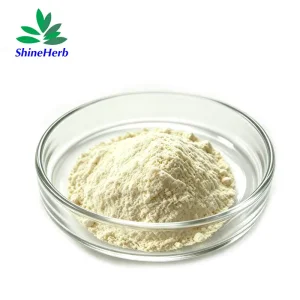
Best Wholesale Natural Fermented Vitamin K2 MK-7 Powder Menaquinone-7 for Health Supplement Raw Material Companies, Exporters
View Specification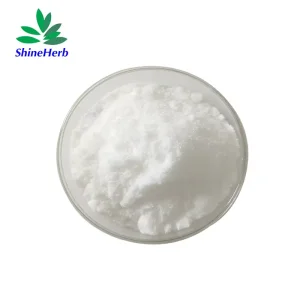
Best High-Quality Glucosamine Sulfate 2KCl-Joint Health Supplement Ingredient Companies, Exporter
View Specification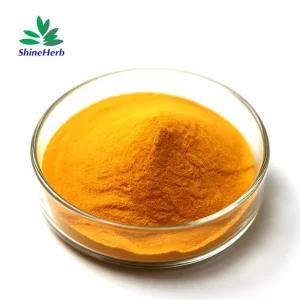
Wholesale Coenzyme Q10 Manufacturer Supply Ubiquinol Coq 10 Company, Factory
View Specification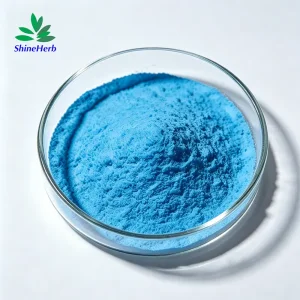
High-Quality High quality Copper Glycinate Manufacturer spot supply Manufacturer, Exporters
View Specification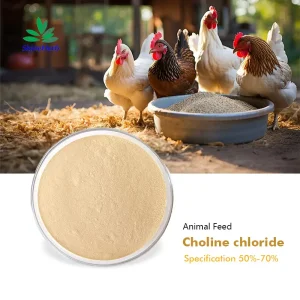
Best Choline Chloride Animal Feed Grade Corn COB 60% for Promoting Animal Growth Suppliers, Company
View Specification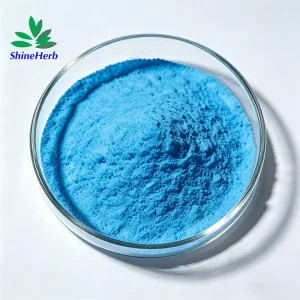
Buy Copper Gluconate Powder Manufacturer | Bulk Food Grade CAS 527-09-3 Supplier Suppliers, Companies
View Specification
Wholesale Factory Supply EDTA Calcium Disodium 99% Food Grade Manufacturer, Exporters
View Specification