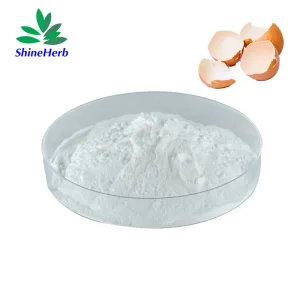
High-Purity Bioactive Raw Materials from Xi'an Facility
Explore our certified catalog of functional microcapsules, plant isolates, and pharma-grade biochemical intermediates released with batch-specific COA and HPLC verification.
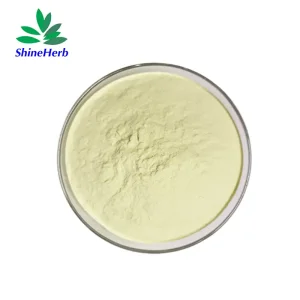
Wholesale High EPA DHA Omega Fish Oil Microcapsule Powder
Inquire Specification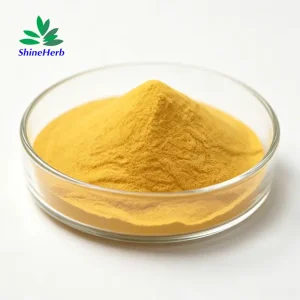
Buy Vitamin B9 (Folic Acid) Powder, High Purity USP/FCC
Inquire Specification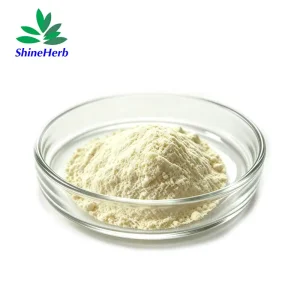
China Natural Chlorella Extract CGF Chlorella Growth Powder
Inquire Specification
High-Quality Wholesale Alpha Arbutin 99% Cosmetic Grade
Inquire Specification
Best Feed Grade Glycocyamine CAS 352-97-6 Guanidineacetic Acid
Inquire Specification
Wholesale Vitamin K1 Phylloquinone Powder for Dietary Supplements
Inquire Specification
High Phospholipid Antarctic Krill Oil, Low Viscosity Pure Grade
Inquire Specification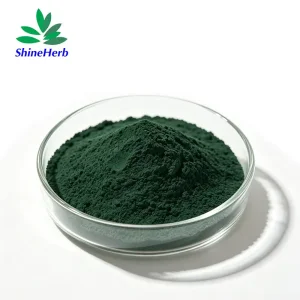
China Natural Sodium Copper Chlorophyllin Soluble Powder
Inquire SpecificationGlobal Commercial Status of Bulk Lacticaseibacillus Rhamnosus
A rigorous examination of taxonomic reclassification, cross-border demand drivers, bio-processing capacity shifts, and supply-chain risk mitigation for global formulators.
Following the comprehensive taxonomic reclassification of the genus Lactobacillus in 2020 by Zheng et al., the organism historically designated as Lactobacillus rhamnosus was formally categorized into the novel genus Lacticaseibacillus. Within industrial and academic spheres, Lacticaseibacillus rhamnosus remains among the most clinically documented, commercially validated, and resilient Gram-positive, non-spore-forming lactic acid bacteria (LAB) worldwide.
The global demand for high-potency bulk L. rhamnosus powder has transitioned from legacy functional dairy inoculants to pharmaceutical-grade, lyophilized actives utilized in precision dietary supplements, infant formula, gastrointestinal therapeutics, and dermatology cosmeceuticals. Propelled by growing clinical literature validating strain-specific efficacy—specifically regarding rotavirus alleviation, antibiotic-associated diarrhea (AAD) prevention, respiratory tract defense, and dermatological homeostasis—the worldwide market for this specific strain exceeds 8.8% CAGR, with global supply consolidating around specialized biotechnology manufacturers equipped with large-scale fermentation vessels and ultra-low water activity ($a_w < 0.15$) freeze-drying capabilities.
| Biological Metric | Standard Commercial Grade | ShineHerb Pharma-Grade L. rhamnosus | Analytical Verification Method |
|---|---|---|---|
| Viable Cell Count | 1.0×10¹¹ CFU/g | 2.0×10¹¹ to 5.0×10¹¹ CFU/g | Plate Count (ISO 20128) / Flow Cytometry (ISO 19344) |
| Acid Resistance (pH 2.0, 2h) | Survival rate 45%–60% | Survival rate ≥ 88.5% (Non-coated) / 98% (Coated) | Simulated Gastric Fluid (SGF) Incubation |
| Bile Salt Tolerance (0.3%) | Moderate viability suppression | High BSH enzyme activity; >92% survival | Simulated Intestinal Fluid (SIF) Plating |
| Moisture Content & Aw | ≤ 5.0% Moisture; Aw < 0.25 | ≤ 3.0% Moisture; Aw ≤ 0.12 | Karl Fischer Titration & Chilled-Mirror Dewpoint |
| Thermal Stability (40°C, 30d) | Log reduction > 1.8 | Log reduction ≤ 0.35 (Patented Cryoprotectant Matrix) | Accelerated Stability Chamber Testing (ICH Q1A) |
High-Density Fermentation & Preservation Architecture
The manufacturing architecture deployed by Shaanxi ShineHerb Biotech incorporates closed-loop bio-reactors, targeted nutrient feeding, and cryoprotective vitrification to ensure maximum membrane integrity.
1. High-Density Fed-Batch Fermentation
Utilizing high-capacity automated fermenters, medium osmolarity, nitrogen sources, and glucose feed rates are continuously titrated with computer-managed peristaltic dosing. Dissolved oxygen (DO) and pH parameters are held at optimal metabolic thresholds (pH 5.8–6.2) to prevent lactic acid auto-toxicity and maximize cellular mass prior to harvesting.
2. Tubular & Disc-Stack Centrifugal Harvest
Cellular broth separation is conducted under aseptic conditions via continuous disc-stack centrifuges operating at gentle relative centrifugal forces (RCF) and regulated cool temperatures (< 10°C). This rapid concentration step mitigates shear stress, preserving extracellular SpaCBA pilin proteins crucial for human intestinal mucosa colonization.
3. Cryoprotective Vitrification Matrix
Prior to freezing, cellular slurries are blended into a food-grade cryoprotectant matrix composed of trehalose, food-grade phosphates, maltodextrins, and specialized peptides. These excipients prevent intracellular ice-crystal rupture during deep freezing at -45°C, ensuring the bacterial cell membrane remains intact throughout sublimation.
4. Vacuum Lyophilization & Ultrafine Milling
Primary and secondary drying cycles take place in isolated, cleanroom lyophilization chambers under high vacuum (< 0.05 mbar). Once dry, the cake is milled in low-humidity cleanrooms ($RH < 20\%$) to standard 80-mesh powder sizes, preventing thermal inactivation and ensuring instantaneous dispersibility.
5. Microencapsulation & Enteric Coating
For demanding formulations (e.g., direct-fed gummies, high-temperature tablet compression, functional beverages), we offer fluidized-bed multi-layer microencapsulation. Lipidic and alginate membranes shield the bacterial envelope, delivering complete bypass of stomach hydrochloric acid directly into the ileum.
6. Genomic & Phenotypic Stability Control
Each working master cell bank undergoes recurring Whole Genome Sequencing (WGS) and PCR typing to verify zero plasmid loss, absence of mobile antimicrobial resistance (AMR) genes, and absence of virulence traits, strictly meeting EFSA Qualified Presumption of Safety (QPS) and US FDA GRAS guidelines.
Cross-Industry Industrial Utilization Matrices
Strategic formulation parameters across dietary supplements, pediatric nutrition, food & dairy, derma-cosmetics, and animal biosecurity systems.
Dietary Supplements & Stick Packs
Incorporated into two-piece HPMC capsules, effervescent powders, and direct-to-mouth orosoluble sachets. Our free-flowing 80-mesh powder features exceptional uniform bulk density (0.45–0.65 g/mL) preventing segregation during high-speed blending with prebiotics (Inulin, FOS, GOS) and vitamin premixes.
Clinical Pediatric & Infant Formulas
Manufactured under rigorous allergen-free, non-dairy conditions. Specifically evaluated for early-life gastrointestinal dysbiosis, acute infectious diarrhea, and immune modulation. Complies with ultra-trace heavy metal thresholds (Pb < 0.05 mg/kg, As < 0.05 mg/kg, Cd < 0.01 mg/kg).
Fermented Dairy & Plant-Based Milks
Used as an adjunct culture in yogurt, kefir, cheeses, and oat/almond-based milk matrices. Demonstrates robust lactic acid generation without post-acidification defects during cold storage (4°C), elevating the functional value of functional grocery products.
Topical Skincare & Cosmeceuticals
Both viable freeze-dried powders and heat-inactivated lysates (postbiotics) are formulated into barrier repair creams, anti-acne serums, and microbiome balancing cleansers. L. rhamnosus metabolites inhibit Cutibacterium acnes biofilm formation and accelerate epidermal keratinocyte differentiation.
Veterinary Nutrition & Animal Biosecurity
Serving as a verified AGP (Antibiotic Growth Promoter) alternative in swine, poultry, and aquaculture feed. Stabilizes the gut microflora of juvenile livestock, reduces mortality from pathogenic E. coli and Salmonella challenges, and increases feed conversion ratios (FCR).
Functional Gummy & Confectionery Blends
Optimized with heat-resistant lipidic microencapsulation allowing direct addition into pectin or gelatin gummy bases during starchless depositing at temperatures up to 75°C without crippling probiotic log-loss.
Macro-Industry Quality Architecture & Cold-Chain Assurance
Enterprise procurement requires verifiable traceability, standardized assay monographs, and end-to-end cold-chain logistics to prevent batch degradation during international transit.
Procuring active biological strains from China demands transparent verification across four critical parameters: strain identification, enumeration accuracy, contaminant limits, and shipping logistics. At Shaanxi ShineHerb Biotech Co., Ltd., our batch release protocol strictly follows international pharmacopeial standards (USP, EP, CP, FCC):
| Testing Parameter | Release Specification | Reference Methodology |
|---|---|---|
| Identity Verification | Confirmed as Lacticaseibacillus rhamnosus | 16S rDNA Sequencing / Maldi-TOF MS |
| Total Plate Count (Viability) | ≥ 100% of labeled claim (Overages standard) | MRS Agar, Anaerobic, 37°C ± 1°C for 72 hrs |
| Active Fluorescent Units (AFU) | Consistent with TFU/AFU standard | ISO 19344 / IDF 232 Flow Cytometry |
| Non-Lactic Acid Bacteria | ≤ 500 CFU/g | USP <2021> Microbial Enumeration |
| Yeasts and Molds | ≤ 50 CFU/g | FDA BAM Chapter 18 |
| Coliforms / Enterobacteriaceae | < 10 CFU/g | ISO 21528-2 Colony-Count Technique |
| Escherichia coli | Negative in 10g | USP <2022> Specified Microorganisms |
| Salmonella spp. | Negative in 25g | USP <2022> / AOAC 967.26 |
| Staphylococcus aureus | Negative in 10g | USP <2022> |
| Listeria monocytogenes | Negative in 25g | ISO 11290-1 Detection Method |
| Heavy Metals (Pb, As, Cd, Hg) | Pb ≤ 0.2 ppm, As ≤ 0.2 ppm, Cd ≤ 0.1 ppm, Hg ≤ 0.05 ppm | ICP-MS (Inductively Coupled Plasma Mass Spectrometry) |
Export & Cold-Chain Logistical Safeguard: All bulk freeze-dried Lacticaseibacillus rhamnosus powder is double-sealed inside multi-layer aluminum barrier foil bags purged with inert nitrogen gas ($N_2$) to eliminate moisture and oxygen. Shipments are transported inside heavy-duty insulated EPS containers with calibrated Phase Change Material (PCM) cold packs or dry ice, monitored via automated USB/NFC temperature data loggers ensuring temperatures remain strictly below 4°C during international air carriage.
Technological Roadmap & Next-Gen Probiotic Advances
Where industrial microbiology meets synthetic biology: anticipated technological evolutions over the 2026–2030 commercial cycle.
1. Ambient-Stable 25°C Formulations
Next-generation membrane immobilization and sugar-glass matrix engineering are eliminating the necessity for continuous refrigeration. Multi-year shelf stability at ambient room temperatures (25°C / 60% RH) enables wider market penetration across tropical geographies where cold-chains remain fragmented.
2. Postbiotic & Paraprobiotic Extracts
Thermal and ultrasonic inactivation protocols isolate cell-free supernatants, lipoteichoic acids, and outer membrane vesicles from L. rhamnosus. These inanimate postbiotic actives deliver equivalent immunomodulatory outcomes without the viability vulnerabilities of live cells, revolutionizing liquid beverages and cosmetics.
3. Genetically Characterized Synbiotic Pairing
Advanced metabolomics allow pairing specific L. rhamnosus strains with custom-tailored prebiotic oligosaccharides (such as human milk oligosaccharides / 2'-FL and specialized xylo-oligosaccharides), dramatically amplifying intestinal colonization velocity and short-chain fatty acid (SCFA) generation.
Frequently Asked Questions by Industrial Formulators
Direct answers addressing strain provenance, formulation overages, analytical methods, regulatory documentation, and custom manufacturing.
What is the fundamental difference between Lacticaseibacillus rhamnosus and Lactobacillus rhamnosus?
How do you verify and guarantee the stated CFU potency through the end of shelf-life?
What carriers and excipients are utilized in your bulk L. rhamnosus freeze-dried powder?
Can Lacticaseibacillus rhamnosus powder withstand direct compression into tablets?
What international regulatory dossiers and certifications accompany each shipment?
What is your Minimum Order Quantity (MOQ) and lead time for custom potency concentrations?
How should bulk Lacticaseibacillus rhamnosus powder be stored once received at the customer warehouse?
High-Purity Active Ingredients for Synergistic Formulations
Integrate our specialty botanical extracts, functional peptides, and metabolic intermediates into cohesive nutraceutical and functional food formulations.
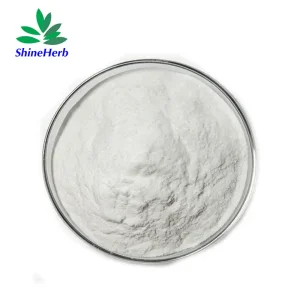
Wholesale Food Grade HMB-Ca Beta-Hydroxy-Beta-Methylbutyrate
Inquire Specification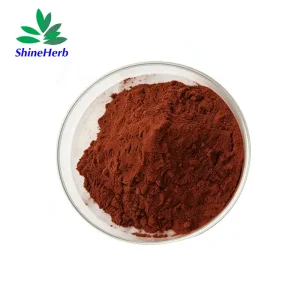
China PQQ Powder 99% Pyrroloquinoline Quinone Disodium Salt
Inquire Specification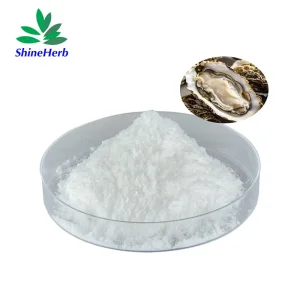
Best Factory Supply Oyster Peptide Food Grade Pure Powder
Inquire Specification
USP Grade Calcium L-5-Methyltetrahydrofolate (L-5-MTHF)
Inquire Specification
Natural Squalane Oil High Stability Cosmetic Raw Material
Inquire Specification
Factory Supply Polyvinylpyrrolidone CAS 9003-39-8 PVP K30
Inquire Specification
High-Quality Manufacture Price Phycocyanin Spirulina Extract
Inquire Specification