Factory Direct Portfolio & Validated Actives (Phase I)
Verified HPLC/USP grade raw materials engineered for multi-strain probiotic integration, matrix protection, and functional metabolic co-factoring.
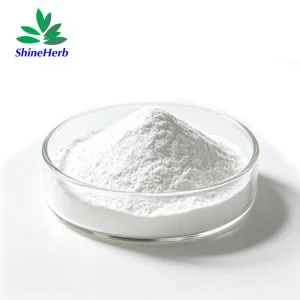
China Natural Water soluble Chitosan Supplier wholesale Suppliers, Factory
Access COA & Pricing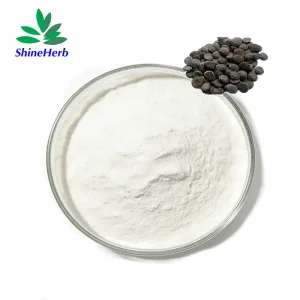
Best Wholesale High Purity 5-HTP Powder 98% Griffonia Extract Sleep Mood Support Supplement Raw Material Manufacturer, Factory
Access COA & Pricing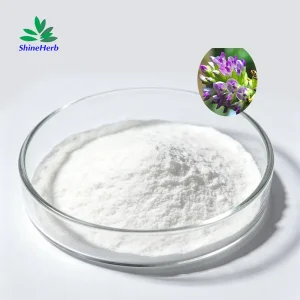
Best Bakuchiol Raw Material Supplier for Skincare Manufacturers, Supplier
Access COA & Pricing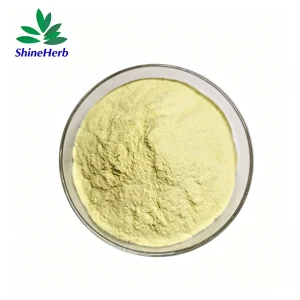
Wholesale Alpha Lipoic Acid ALA Dual Soluble Antioxidant ingredient for Supplements & Cosmetics Supplier, Exporters
Access COA & Pricing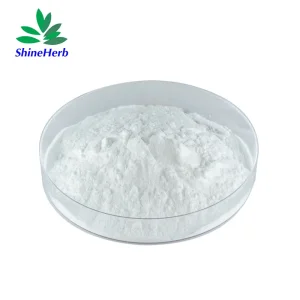
Best Wholesale L-Tyrosine Powder Amino Acid for Supplements Manufacturers, Exporters
Access COA & Pricing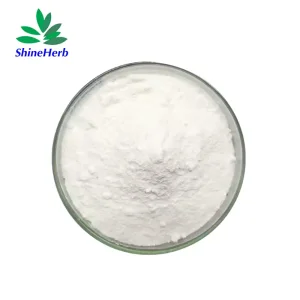
Buy Shineherb Supply Ethyl Vanillin Powder High Quality Food Flavoring Agent Manufacturer, Company
Access COA & Pricing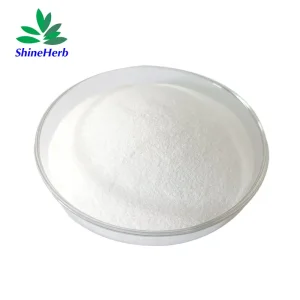
China L-Glutamic Acid CAS 56-86-0 for Nutrition Enhancers Manufacturer, Companies
Access COA & Pricing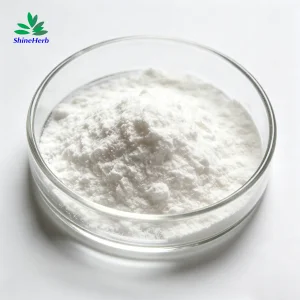
High-Quality High Purity Liposomal Glutathione for Skin Brightening Manufacturers, Exporter
Access COA & PricingThe Global Probiotic Ingredients Landscape: Scale, Strain Viability & Supply Chains
The global probiotics market has evolved from general wellness claims into a rigorous, clinically substantiated, multibillion-dollar biopharmaceutical and functional foods sector. When enterprises seek to buy bulk probiotic ingredients, the purchasing criteria have shifted drastically from simple colony-forming unit (CFU) metrics to strain specificity, cryoprotection survivability, gastrointestinal transit resilience, and batch-to-batch genetic stability. Commercial demand is concentrated on core operational genera—principally Lactobacillus, Bifidobacterium, Bacillus coagulans, and Streptococcus thermophilus—which form the foundational microflora for immunity, gut integrity, cognitive gut-brain axis balance, and metabolic health formulations worldwide.
However, global brand procurement teams face acute logistical and technological hurdles: cold-chain interruption risks, degradation during high-shear compression, raw-material cross-contamination, and strict regional regulatory scrutiny ranging from European EFSA QPS approvals to US FDA GRAS notifications. Factory qualification requires exhaustive validation across high-density liquid fermentation systems, continuous centrifuge harvesting, and deep freeze-drying microencapsulation technologies that ensure shelf-stability without CFU drop-off over an 18 to 24-month horizon.
Clinical Phenotyping
Every commercial strain must undergo genomic fingerprinting and bioinformatic profiling to rule out transferable antibiotic-resistant plasmids, ensure antibiotic sensitivity, and guarantee exact genomic integrity per pilot run.
Lyophilization Yields
Traditional freeze-drying degrades cell membranes. Leading factories employ targeted carbohydrate-lipid protective matrixes that maintain membrane fluidity and achieve retention yields in excess of 92% post-sublimation.
Multi-Tier Compliance
Procuring raw probiotic active ingredients demands documented multi-region release: USP monographs, Food Chemicals Codex (FCC), Halal and Kosher certifications, with micro-impurity testing below 10 CFU/g for non-target bioburden.
Chinese Industrial Scale: Advanced Precision Fermentation & Cost Efficiencies
Direct supply partnerships with specialized Chinese bio-manufacturing facilities have transformed the unit economics of contract manufacturing organizations (CMOs) across North America and Europe. Shaanxi ShineHerb Biotech Co., Ltd. and aligned national infrastructure leverage deeply integrated supply matrices—combining localized carbon source feedstocks, localized upstream prebiotics (like water-soluble chitosan derivatives and amino acids), and large-volume bioreactor capacity ranging from 10,000L to 100,000L computerized fermentation columns.
Continuous Sterilization
Automated continuous ultra-high-temperature (UHT) medium sterilization units prevent phage contamination and caramelization reactions, maximizing strain biomass yields.
Multi-Layer Microencapsulation
Secondary enteric-resistant coating shields active cultures from gastric acid breakdown (pH 1.2–2.0), triggering targeted release directly inside the neutral ileum and colon.
High CFU Density
Optimized industrial concentration delivers ultra-potent bulk powders reaching from 100 Billion to 500 Billion CFU/gram, reducing freight volume and capsule footprint.
Zero Heat Accumulation Milling
Cryogenic jet milling and ultra-fine micronization maintain dry powder particle sizes below 80–100 mesh without cellular thermal shock, streamlining automated capsule packing.
Application Archetypes & Next-Generation Synbiotic Convergence
Next-Gen Synbiotic Formulations
Global brands no longer formulate isolated strains. Modern protocols blend spore-forming probiotics with active delivery agents such as Alpha Lipoic Acid, Chitosan, and amino acids (e.g. L-Glutamic Acid) to reinforce mucosal lining repair and support antioxidant defenses.
Functional Beverages & Stability
Thermal processing traditionally deactivated live cultures. With the rise of room-temperature stability and cold-soluble powder drink packets, procurement now focuses on specialized, heat-tolerant microencapsulated extracts and spore-formers like Bacillus subtilis.
Topical & Postbiotic Skincare
The skin microbiome market has driven heavy corporate demand for non-viable lysates and fermentation filtrates, paired seamlessly with bioactives like Bakuchiol and signal peptides (Palmitoyl Tetrapeptide-7) to rebuild cellular barrier defenses.
Enterprise Sourcing Checklist: Auditing Probiotic Ingredient Factories
Leading corporate brand managers, contract formulators, and supply chain directors implement extensive vendor scoring matrices when vetting bulk manufacturers. Below are the mandatory technical specifications validated on every production batch before customs clearance and manufacturing integration:
1. Genomic & Identity Purity
Full 16S rRNA gene sequencing and whole-genome sequencing (WGS) verify that no strain drift or genome degradation has taken place through successive subculturing generations.
2. Allergen & Media Cleanliness
Fermentation substrates formulated free of common milk, soy, and gluten allergens ensure international clean-label declarations and eliminate cross-reactive risks in high-speed plants.
3. Heavy Metal & Contaminant Thresholds
Inductively Coupled Plasma Mass Spectrometry (ICP-MS) testing guarantees lead (<0.5 ppm), arsenic (<0.5 ppm), cadmium (<0.2 ppm), and mercury (<0.1 ppm) conform strictly to Proposition 65 and EU pharmacopeial regulations.
Frequently Asked Questions: Bulk Probiotic Sourcing & Logistics
How does your factory prevent live CFU degradation during transatlantic air or sea freight?
Our bulk powders are packaged under nitrogen-purged, four-layer aluminum barrier vacuum bags with integrated humidity indicators. For thermosensitive live strains, we supply temperature-controlled, data-logged refrigerated reefer containers or dry-ice packaging to guarantee viability above certified label claims upon destination release.
Can you provide customized multi-strain pre-blends and excipient matching?
Yes. In addition to single pure powders, our automated cleanroom compounding lines formulate custom multi-strain combinations diluted precisely with prebiotic inulin, resistant dextrin, maltodextrin, or specialized amino acid salts to reach your target CFU/g specification for capsules, sachets, or direct-press tablets.
What testing methodologies are accepted for release testing and dispute resolution?
We perform release testing using verified plate count enumeration conforming strictly to ISO 7889 / IDF 117 or USP microbial assay standards. For third-party validation, samples can be co-analyzed via accredited laboratories such as SGS, Eurofins, or Silliker prior to port departure.
What is the standard minimum order quantity (MOQ) and production lead time?
Standard catalog strains maintain an MOQ of 1 kg to 25 kg fiber drums for trial formulations. Large enterprise contracts and custom contract fermentation batches operate on a 100 kg to multi-ton scale, typically carrying a 2- to 3-week production turnaround inclusive of internal 14-day microbiology incubation checks.
Factory Direct Portfolio & Validated Actives (Phase II)
Complementary bioactive precursors, enzymatic stabilizers, and mineral nutrients designed for pharmaceutical integration and holistic nutraceutical lines.
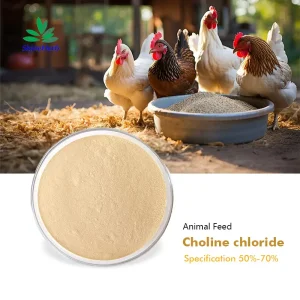
Best Choline Chloride Animal Feed Grade Corn COB 60% for Promoting Animal Growth Suppliers, Company
Access COA & Pricing
Buy Cosmetic Grade Palmitoyl Tetrapeptide-7 Skin Repair Peptide Ingredient Companies, Factory
Access COA & Pricing
Best Shineherb supply L-Cysteine Hydrochloride Anhydrous CAS 52-89-1 Dietary Ingredient Manufacturers, Manufacturer
Access COA & Pricing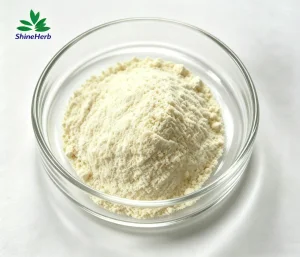
Wholesale Bird's Nest Peptide High Absorption Supplement ingredients Exporter, Factory
Access COA & Pricing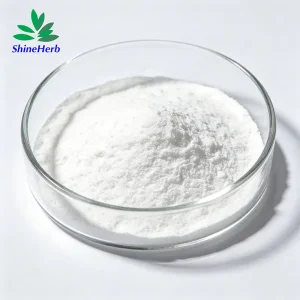
Best Inosine Food Grade Powder CAS 58-63-9 Wholesale Exporter, Factories
Access COA & Pricing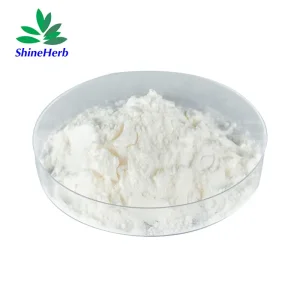
Best Magnesium Lactate Powder CAS 18917-93-6 Food Additives Exporters, Exporter
Access COA & Pricing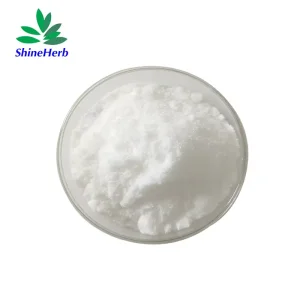
Buy Glucosamine Hydrochloride Glucosamine HCl Bulk Wholesale Supplier, Factory
Access COA & Pricing