Featured Industrial Raw Materials & Intermediates
Standardized botanical extracts, vitamins, amino acids, and high-potency actives formulated for commercial processing and regulatory-compliant manufacturing worldwide.
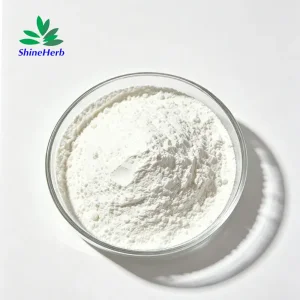
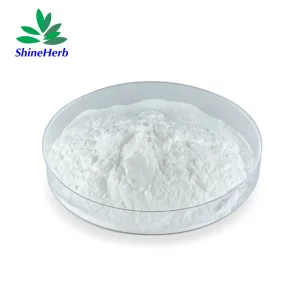
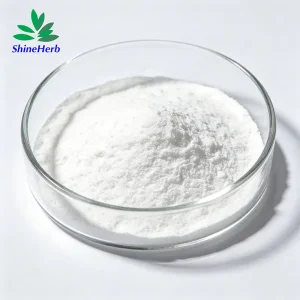
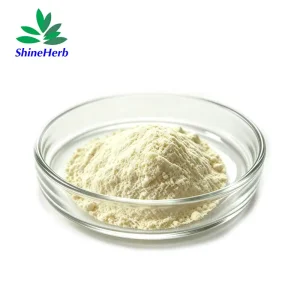
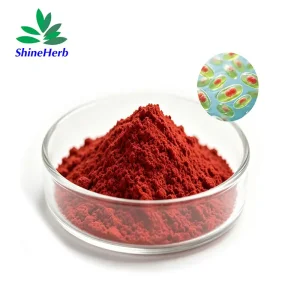
Palmatine 98% (Chloride / Base): Industrial Profile & Analytical Fingerprint
Palmatine is a quaternary protoberberine isoquinoline alkaloid extracted primarily from botanical sources such as Fibraurea recisa Pierre, Coptis chinensis Franch., and Phellodendron amurense. Renowned for its therapeutic index across gastroenterology, metabolic regulation, and broad-spectrum antimicrobial applications, securing pure pharmaceutical-grade 98% Palmatine demands extreme control over isomeric analogs and related alkaloids.
Molecular Integrity & Strict Impurity Thresholds
Unlike raw botanical concentrates or crude 50%-80% extracts, Palmatine 98% (CAS No. 3486-67-7 for Palmatine Chloride; CAS No. 10605-02-4 for Palmatine Base) represents an isolated active pharmaceutical ingredient (API) and analytical grade active. The manufacturing pathway targets an ultra-low threshold of structural sister compounds including Berberine, Jatrorrhizine, and Coptisine.
In accordance with high-performance liquid chromatography (HPLC-DAD) analysis at 345 nm, our industrial crystallization process ensures that individual unknown impurities remain strictly below 0.10%, and total related alkaloids do not exceed 1.50% by area normalization. This level of purity ensures zero pharmacological interference when utilized in targeted clinical research, dietary formulations, or downstream chemical synthesis.
- Empirical Formula: C21H22NO4+ (Chloride salt: C21H22ClNO4, MW: 387.86 g/mol)
- Chromatographic Fingerprint: Distinct retention time verification against USP reference standards with baseline peak separation (>2.0).
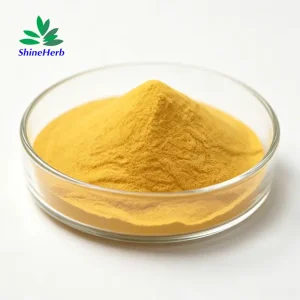
- Crystalline Polymorphism: Optimized Form-I yellow microcrystalline needles providing superior dissolution velocity and stability under accelerated ICH conditions.
| Analytical Parameter | Monograph Specification | Typical Batch Result |
|---|---|---|
| Assay (HPLC, dry basis) | ≥ 98.0% | 98.65% |
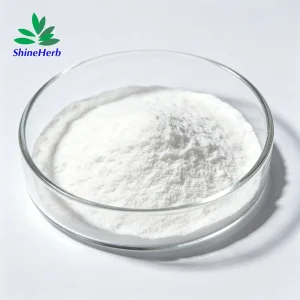
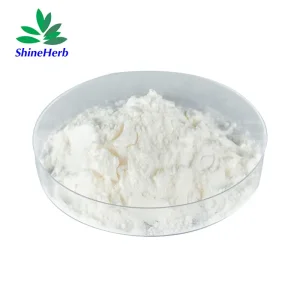
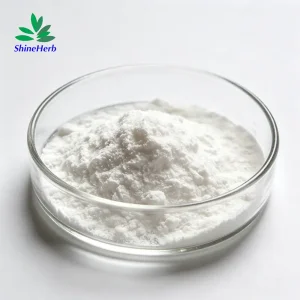
| Appearance & Color | Fine yellow crystalline powder | Conforms |
| Identification (IR / HPLC-DAD) | Conforms to Reference Standard | Conforms |
| Loss on Drying | ≤ 5.0% (105°C, 3 hrs) | 3.12% |
| Residue on Ignition (Ash) | ≤ 0.20% | 0.08% |
| Heavy Metals (ICP-MS) | Pb ≤ 0.5 ppm | As ≤ 0.5 ppm | Cd ≤ 0.1 ppm | < LOQ |
| Residual Solvents (GC-HS) | Ethanol ≤ 3,000 ppm | Methanol ≤ 50 ppm | Complies USP <467> |
| Total Aerobic Microbial Count | ≤ 1,000 CFU/g (TAMC) | < 100 CFU/g |
China Factory 4.0: Supply Chain Resilience & Extraction Engineering
Located adjacent to the Qinling botanical belt in Xi'an, China, our advanced manufacturing plant integrates continuous counter-current extraction, automated macroporous resin chromatography, and closed-loop solvent reclamation to guarantee cost efficiency, ecological compliance, and continuous capacity.
Our industrial-scale multi-stage continuous extraction line processes up to 10 metric tons of raw biomass daily. Operating under low-temperature vacuum reflux, we prevent the thermal degradation of isoquinoline structures, boosting alkaloid extraction yields by 22% over legacy batch methods.
Adopting food-grade and pharmaceutical-approved polymer adsorbent resins (AB-8 and D101 systems) integrated with real-time UV sensor arrays, our DCS system precisely separates palmatine from co-existing quaternary alkaloids, discarding polar tannins, flavonoids, and non-target pigments with zero manual interference.
We maintain environmental stewardship by operating an in-line falling film evaporator and low-temperature distillation setup that reclaims more than 96.5% of extraction ethanol. This minimizes carbon footprint, lowers overall overheads, and prevents residual hazardous volatile organic compounds (VOCs).
Every drum of Palmatine 98% is tagged with a digital traceability QR code mapped to our Laboratory Information Management System (LIMS). Buyers can access raw botanical origin logs, in-process chromatography runs, drying profiles, and verified release COAs with a single secure click.
Macro-Industry Solutions & Formulation Architecture
Palmatine 98% operates across multiple high-growth global verticals. Its verified biological activity against intracellular pathogens, metabolic dysfunctions, and chronic inflammation positions it as a cornerstone ingredient for modern pharmaceutical research and advanced dietary engineering.
Palmatine functions as an active AMPK (adenosine monophosphate-activated protein kinase) activator and PCSK9 transcription inhibitor. In advanced metabolic health supplements, it supports healthy blood lipid balance, promotes glucose uptake via GLUT4 translocation in skeletal muscle, and reduces hepatic lipid accumulation.
Widely utilized in pharmaceutical formulations for acute enteritis and inflammatory bowel diseases (IBD), Palmatine attenuates NF-κB phosphorylation and downregulates pro-inflammatory cytokines (TNF-α, IL-6, IL-1β). Furthermore, it strengthens intestinal epithelial tight-junction integrity by upregulating ZO-1 and Occludin proteins.
Palmatine demonstrates potent minimum inhibitory concentrations (MIC) against multidrug-resistant bacterial strains, including Staphylococcus aureus, Helicobacter pylori, and pathogenic fungi. It disrupts bacterial membrane potential and interferes with cellular DNA topoisomerase, making it an indispensable natural antimicrobial API.
In clinical dermatology formulations, high-purity Palmatine acts as a targeted sebostatic and anti-acne active. It suppresses Cutibacterium acnes proliferation, curtails lipogenesis in sebocytes, and soothes inflammatory redness without triggering the antimicrobial resistance associated with topical antibiotics.
Emerging pharmacological monographs highlight Palmatine's capacity to cross the blood-brain barrier (BBB), functioning as an acetylcholinesterase (AChE) and β-site amyloid precursor protein cleaving enzyme 1 (BACE1) inhibitor. This opens therapeutic formulation avenues in cognitive longevity and neurodegenerative research models.
Localized Regulatory Support & Audit Compliance
For multinational enterprises, procuring high-purity phytochemicals requires navigating stringent pharmacopeial standards and regional customs hurdles. We supply transparent documentation packages designed to accelerate regulatory filings and mitigate commercial audit risks.
We provide the Drug Master File (DMF Open Part / CTD format), comprehensive process validation data, stability studies conducted under ICH Q1A(R2) conditions (accelerated and long-term), and structural validation records (1H-NMR, 13C-NMR, FT-IR, MS/MS spectra).
Our production workshops strictly mirror FDA 21 CFR Part 111 (Dietary Supplements) and Part 210/211 (Finished Pharmaceuticals) requirements. Facilities undergo routine internal and third-party inspection to ensure zero batch contamination, cross-contact risk, or undocumented deviations.
Compliant with European Commission Regulation (EC) No 1881/2006 for food contaminants and REACH chemical safety frameworks, our Palmatine 98% is thoroughly screened for polycyclic aromatic hydrocarbons (PAHs), ethylene oxide (ETO), irradiation markers, and elemental impurities via ICP-MS.
Certified by international religious authorities and audit bodies, our ingredients satisfy diverse consumer dietary restrictions worldwide. All batches are non-GMO verified, TSE/BSE-free, non-animal derived, and packaged under cleanroom conditions compliant with ISO Class 8 standards.
Technical Roadmap & Future Outlook: Next-Gen Alkaloid Bioavailability
While Palmatine exhibits substantial pharmacodynamic efficacy, native quaternary isoquinolines suffer from poor oral bioavailability (<5%) due to P-glycoprotein (P-gp) efflux and hepatic first-pass metabolism. Our forward-looking engineering roadmap details state-of-the-art delivery breakthroughs underway at our R&D center.
By forming lipid complexes between Palmatine 98% and non-GMO sunflower phosphatidylcholine, we create amphiphilic vesicles that bypass intestinal P-glycoprotein efflux pumps. Preclinical data confirm a 4.8-fold elevation in maximum plasma concentration (Cmax) and sustained area-under-the-curve (AUC) bioavailability.
Our crystal engineering laboratory has pioneered patented multi-component co-crystals combining palmatine base with organic dicarboxylic conformers (succinic acid, fumaric acid). These crystal architectures enhance intrinsic aqueous dissolution rates by up to 300% without altering chemical covalent identity.
Designed for transparent liquid softgels and functional beverage integration, our dry SMEDDS powder forms spontaneously disperse into isotropic sub-micron droplets (<50 nm) upon gastrointestinal hydration. This prevents crystal precipitation and maximizes lymphatic macromolecular uptake.
Anticipating long-term ecological demands and supply fluctuations, our secondary pipeline explores microbial biotransformation of natural precursor intermediates into high-purity palmatine using engineered yeast (Saccharomyces cerevisiae), offering an ultra-sustainable parallel supply line by 2027.
Global Procurement Decision Matrix: Vendor Qualification Standards
Procuring high-value botanical APIs requires strict verification beyond price-per-kilogram quotes. Tier-1 enterprise procurement teams qualify ShineHerb Biotech against five non-negotiable operational checkpoints.
In high-speed tableting and encapsulating equipment, density fluctuations trigger weight deviations and assay failures. We deliver standardized bulk density (0.45–0.65 g/mL) and uniform mesh distributions (80–100 mesh) with a Relative Standard Deviation (RSD) below 1.0% across multi-ton production campaigns.
Substandard suppliers frequently substitute ultraviolet spectrophotometry (UV-Vis) methods that yield artificially elevated assay readings by absorbing non-target conjugated chromophores. We exclusively qualify each release using validated reverse-phase HPLC methods calibrated against verified USP Reference Standards.
Wild botanical overharvesting induces dramatic market price spikes. ShineHerb establishes long-term contract farming programs and GAP-certified wildcrafting cooperatives for Fibraurea recisa across Southwest China, insulating global partners from seasonal market volatility.
Quaternary alkaloid salts are moderately hygroscopic. To guarantee a 36-month shelf life without agglomeration or assay decay, Palmatine 98% is heat-sealed under nitrogen atmosphere in pharmaceutical double-layer polyethylene liners inside fiberboard drums featuring desiccant packs and tamper-evident security seals.
Frequently Asked Questions by Industrial Sourcing Teams
Detailed technical and commercial answers addressing specifications, chemical salts, analytical methods, regulatory documentation, and logistical execution.
What is the critical chemical distinction between Palmatine Chloride and Palmatine Base?
Which chromatographic conditions are utilized for the official HPLC 98% release?
How does ShineHerb ensure absence of chlorinated solvents and Class 1 toxins?
Can Palmatine 98% be customized for specific powder physical characteristics?
What documentation is supplied to support an internal vendor qualification audit?
What is the standard minimum order quantity (MOQ) and sample evaluation protocol?
How does Palmatine compare to Berberine in therapeutic potential and side-effect profile?
What are the recommended warehouse storage parameters and stability data?
Explore Additional Pharmaceutical & Dietary Actives
Consolidate your global supply chain with ShineHerb Biotech. Direct from factory floor to international port, our integrated logistics guarantee documented quality, verified potency, and predictable lead times.