Factory Supply Portfolio
High-Purity Bio-Ingredients & Active Enzymes
Direct supply line from GMP/ISO certified facilities. Lot-traceable specifications tested via HPLC, GC, and FCC monographs.
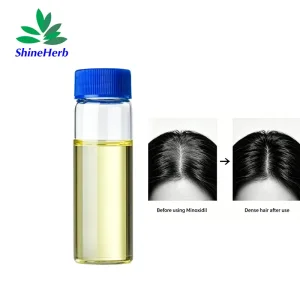
Buy Factory supply 5% Minoxidil Solution Minoxidil powder for Anti Hair Loss
View Specification
Wholesale Coenzyme Q10 Manufacturer Supply Ubiquinol Coq 10 Company
View Specification
High-Quality Biotin Powder 99% High Purity Vitamin B7 for food additive
View Specification
Wholesale Vitamin K1 Phylloquinone Powder for Dietary Supplement Suppliers
View Specification
China Natural Water soluble Chitosan Supplier wholesale Suppliers, Factory
View Specification
Best Natural Squalane Oil High Stability Cosmetic Raw Material Skincare
View Specification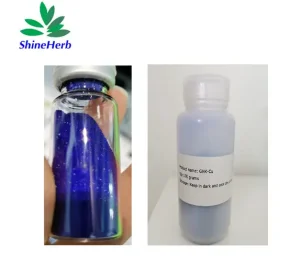
High-Quality Copper Tripeptide-1 Ghk-Cu Copper Peptide Anti-Wrinkle
View Specification
Industrial Bio-Processing
Role of Neutral Lactase (β-Galactosidase) in Modern Dairy Plants
Precision cleavage of lactose disaccharides under neutral pH parameters (pH 6.5–7.0) is the engineering cornerstone for premium dairy manufacturing.
Enzyme Origin & Selectivity
Unlike fungal acid lactase extracted from Aspergillus niger or Aspergillus oryzae (used predominantly in dietary capsules), neutral lactase is derived from targeted fermentation of Kluyveromyces lactis or Kluyveromyces marxianus. This yeast-based bioconversion matches the physiological pH of fresh cow's milk without altering organoleptic profiles.
Hydrolysis Thermodynamics
β-D-galactoside galactohydrolase operates selectively across the O-glycosyl bond, releasing free β-D-galactose and α/β-D-glucose. The reaction not only solves gastrointestinal digestion barriers for lactose-intolerant demographics, but enhances natural sweetness by 2.5–3.0 times, allowing industrial dairies to eliminate added sucrose in flavored milk formulations.
Mitigation of Off-Flavors & Protease Side Activity
High-tier factories demand neutral lactase devoid of secondary proteolytic side-activity. Residual proteases catalyze the breakdown of casein and whey proteins into bitter hydrophobic peptides over extended retail shelf-life, causing premature spoilage and sensory degradation in long-life UHT cartons.
Strategic Procurement
Macro Dairy Landscape: Procurement Solutions for Multi-Site Dairies
Global procurement teams must evaluate batch consistency, thermal stability windows, and carrier formulations before selecting contract enzyme manufacturing partners.
| Evaluation Parameter | Batch Dosing (Pre-Pasteurization) | Sterile Aseptic Dosing (Post-UHT) | Dairy OEM Specification Target |
|---|---|---|---|
| Operating Temperature | 4°C to 8°C (Extended Cold Soak: 16–24 hrs) | 15°C to 25°C (In-line Aseptic Injection) | Optimal activity maintained without structural enzyme collapse |
| Enzyme Dosage Ratio | 0.6 – 1.2 g / 1000L raw whole/skim milk | 0.02 – 0.05 mL / 1L ultra-sterile carton | Standardized activity (50,000–100,000 NLU/g) |
| Side Activity Tolerances | Low proteolysis acceptable under flash heat | Zero Protease, Zero Arylsulfatase | Absence of gelation (age-gelation) & off-flavor aldehydes |
| Physical Format | FCC-certified Soluble Powder / Concentrated Liquid | Sterile Micro-Filtered Glycerol Liquid | Pyrogen-free, sterile-grade, ultrafiltered bio-liquid |
| Lactose Residual Goal | < 0.1% (Standard Lactose-Free) | < 0.01% (Zero-Lactose Clinical Formula) | Verified via enzymatic or HPLC hydrophilic interaction chromatography |
70%+
Global Adult Hypolactasia Rate
8.4%
Lactose-Free Dairy CAGR (2024-2032)
<0.01%
Zero-Lactose Benchmark Limit
100%
Batch Release Chromatographic COA
Technology Roadmap
Future Outlook: Immobilized Enzymes, Thermostability & Galacto-Oligosaccharides (GOS)
The progression of dairy biotechnology is accelerating beyond basic substrate breakdown into functional prebiotic synthesis.
Carrier-Bound Immobilized Bed Bioreactors
Traditional single-use soluble lactase is consumed irreversibly during continuous dairy operations. Next-generation dairy refineries are implementing packed-bed or fluidized-bed reactors utilizing covalent silica-glutaraldehyde or porous chitosan carriers. This allows the enzymatic matrix to operate continuously over 30 to 60 production cycles without enzyme loss in the milk effluent.
Transgalactosylation & In-Situ GOS Formation
Engineered neutral β-galactosidases with increased transglycosylation-to-hydrolysis kinetic ratios convert inherent dairy lactose directly into prebiotic Galacto-Oligosaccharides (GOS). This dual-action pathway yields functional prebiotic milk drinks for infant nutrition and gut-health formulations directly within the holding silo.
Hyper-Thermophilic Engineered Strains
Standard neutral lactases denature rapidly above 45°C. Recombinant DNA engineering of extremophile genes (e.g., derived from Thermus or Sulfolobus species) has created heat-tolerant strains capable of continuous catalytic turnover during pre-pasteurization phases (55°C–65°C), significantly reducing microbial spoilage hazards during long processing runs.
Compliance & Assurance
Global Regulatory Frameworks & Quality Verification
Dairy products face stringent food import criteria worldwide. Our upstream fermentation and enzyme downstream processing align with multi-national safety mandates.
Regulatory Dossiers & Monograph Compliance
Our enzyme batches conform directly to the Joint FAO/WHO Expert Committee on Food Additives (JECFA), Food Chemicals Codex (FCC), and European Food Safety Authority (EFSA) opinions. Full master files, allergen statements, Non-GMO verification, and residual DNA testing dossiers are maintained for routine customs inspection clearance.
Clean-Label & Kosher/Halal Integrity
With plant and microbial sourcing taking priority in consumer goods, raw inputs are rigorously verified as non-animal derived. Industrial batches maintain current Halal, Kosher Pareve, and ISO 22000 / HACCP food-safety accreditations, supporting barrier-free importation into Southeast Asian, Middle Eastern, and North American consumer markets.
End-to-End Cold-Chain Logistics
Enzymatic proteins are inherently prone to thermal degradation under uncontrolled shipping environments. Liquid neutral lactase is transported via continuous temperature-monitored refrigerated reefers (2°C–8°C), while dry high-potency powders include sealed desiccant aluminum induction liners to guarantee zero loss of declared FCC unit activity upon arrival.
Procurement Inquiries
Frequently Asked Questions: Neutral Lactase & Factory Supply
Detailed engineering and commercial answers to simplify qualification by QA, R&D, and procurement departments.
What is the technical difference between neutral lactase and acid lactase?
Neutral lactase (derived from yeasts like Kluyveromyces lactis) operates efficiently between pH 6.0 and 7.5, which corresponds to the natural pH of fresh liquid milk and sweet whey. Acid lactase (derived from fungi like Aspergillus niger) functions optimally in an acidic environment (pH 3.0 to 5.0) and is used in dietary supplements, capsules, or acid-whey processing, but will denature or exhibit severely diminished kinetics in raw milk tanks.
How can we prevent Maillard browning in UHT milk treated with neutral lactase?
Lactose hydrolysis produces glucose and galactose, which are both reducing monosaccharides with a higher Maillard reaction reactivity than lactose disaccharides. If milk is hydrolyzed before thermal sterilization, browning and caramel off-flavors can develop during high-heat treatment. The primary solution is aseptic dosing of micro-filtered neutral lactase directly into the pre-sterilized milk carton post-UHT, or reducing the thermal holding time while relying on low-temperature extended batch hydrolysis prior to heating.
What enzyme activity standards and analytical methods are reported on your COA?
Neutral lactase activity is quantified in Neutral Lactase Units (NLU) or Food Chemicals Codex (FCC) units, measured through the enzymatic hydrolysis of the chromogenic substrate o-nitrophenyl-β-D-galactopyranoside (ONPG) under standard conditions (pH 6.5, 30°C, 10 min reaction time). All tests are conducted under strict monograph protocols to guarantee lot-to-lot dosing repeatability.
What documentation is supplied with bulk international shipments?
Every shipment includes an individual, batch-specific Certificate of Analysis (COA), Technical Data Sheet (TDS), Safety Data Sheet (MSDS), Non-GMO Statement, Allergen Declaration, BSE/TSE-Free Certificate, and copies of ISO 22000, HACCP, Kosher, and Halal certifications. Third-party testing verification (e.g., via SGS or Eurofins) can be integrated upon contract setup.
Can we obtain free validation samples for pilot plant testing?
Yes. We regularly supply pilot laboratory qualification samples to industrial dairy processors, research centers, and contract supplement packagers. Please state your intended target application, dosing method (batch vat or continuous aseptic), and required activity unit profile when submitting your inquiry.
Factory Inventory Catalog
Pharmaceutical Intermediates, Peptides & Nutrients
Comprehensive biological active ingredients ready for factory distribution, tableting, cosmetics, and food fortification lines.
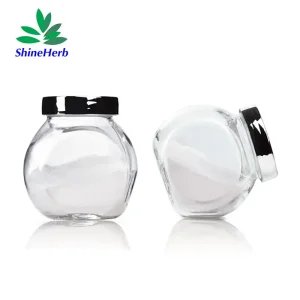
Buy Melatonin Powder 99% CAS 73-31-4 Sleep Improvement Dietary Supplement
View Specification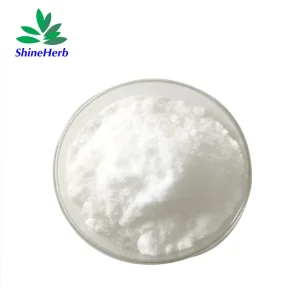
Wholesale Indole-3-Carbinol Powder Factory supply Company, Exporters
View SpecificationWholesale Pure dimethyl sulfone 99% food grade MSM for dietary supplement
View Specification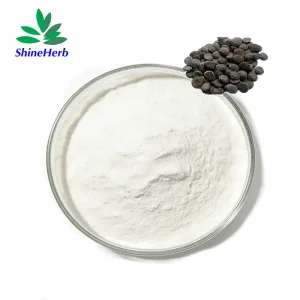
Best Wholesale High Purity 5-HTP Powder 98% Griffonia Extract Sleep Mood Support
View Specification
Wholesale Food Grade 99% Alpha Cyclodextrin Wholesale Exporters, Factories
View Specification
Buy Cosmetic Grade Palmitoyl Tetrapeptide-7 Skin Repair Peptide Ingredient
View Specification
Best Magnesium L-Threonate Supplement Boost Memory Focus Deep Sleep
View Specification