
China Enzymes Exporter & Factories in Egypt
Precision biomanufacturing, industrial biocatalysts, and end-to-end resilient supply networks serving Egypt's textile processing, agro-milling, pharmaceutical, and detergent manufacturing ecosystems.
Priority Biotech Actives for Egyptian Industry
Direct supply line from Xi'an precision synthesis & fermentation facilities engineered to meet Alexandria and 10th of Ramadan manufacturing specifications.
-
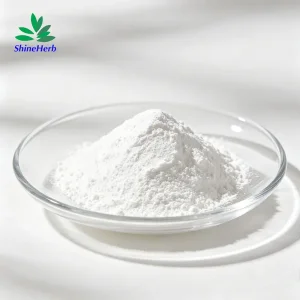 Polydeoxyribonucleotide PDRN 99% for Egypt Dermal Formulations
Best Bulk Polydeoxyribonucleotide PDRN 99% Cosmetics Grade Suppliers, Exporter
-
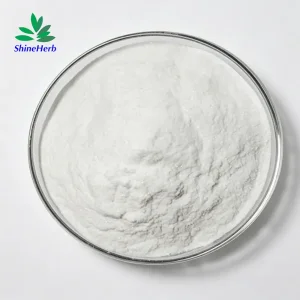 Pharmaceutical Intermediate L-Alanine for Egyptian Compounding
Buy Supplements L Alanine CAS 56-41-7 Bulk wholesale Suppliers, Factories
-
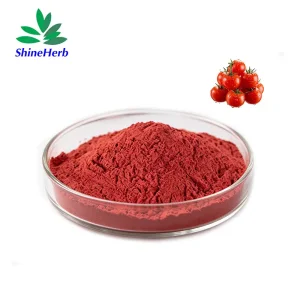 Natural Lycopene Active Extract for Egyptian Functional Beverage
-
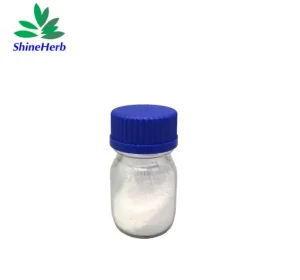 Palmitoyl Tetrapeptide-7 Skin Matrix Regenerator for Egyptian Brands
Buy Cosmetic Grade Palmitoyl Tetrapeptide-7 Skin Repair Peptide Ingredient Companies, Factory
Industrial Landscape: The Enzyme Economy in Modern Egypt
Evaluating the rapid transition of the Nile Basin processing industries from conventional chemical catalyzers to sustainable, zero-discharge enzymatic bioprocesses.
Egypt stands as the undisputed industrial anchor of North Africa and the Arab world. Bolstered by the expansion of industrial production zones around the Suez Canal Economic Zone (SCZone), 10th of Ramadan City, Sadat City, and Borg El Arab, Egyptian manufacturing is experiencing a fundamental structural shift toward bioprocess optimization. Driven by both strict environmental mandates from the Egyptian Environmental Affairs Agency (EEAA) and rising export competitiveness under the GAFTA, COMESA, and European Union Association Agreements, Egyptian industrial manufacturers are aggressively modernizing legacy production lines. Enzymes—as catalytic biocatalysts possessing high substrate specificity and operational efficiency under mild physiological conditions—represent the vanguard of this commercial transformation.
Localized Application Scenarios in Egyptian Manufacturing Clusters
The operational landscape for high-activity industrial enzymes across Egyptian production sectors presents distinct processing challenges influenced by local input raw materials, ambient temperatures, and energy considerations:
Textile & Egyptian Cotton Finishing
Centering in El Mahalla El Kubra and Alexandria, the world's most renowned long-staple cotton requires low-temperature neutral cellulases and bio-polishing alpha-amylases. Our custom enzymes eliminate yarn fuzz without degrading tensile integrity, drastically cutting thermal loads and chemical caustic baths.
Wheat Milling & Bread Baking
Egyptian baladi and fino bread baking utilizes high-extraction local and imported wheat flour. Fungal alpha-amylases, xylanases, and glucose oxidases stabilize rheological dough elasticity, prolong loaf shelf life in high-humidity ambient environments, and optimize falling number parameters.
Starch Liquefaction & High-Fructose Syrup
Serving major national beverage packaging hubs, thermo-stable alpha-amylases and pullulanases operate seamlessly under high-calcium, continuous-jet cooking regimes, yielding maximum dextrin conversion rates while preventing caramelization colors.
China Biomanufacturing Resilience & Egyptian Distribution Integration
Combining the world's most advanced submerged liquid fermentation assets in Xi'an with direct maritime multimodal corridors into Port Said, Damietta, and Ain Sokhna.
As international supply disruptions repeatedly illustrate the vulnerabilities of traditional mono-sourced raw materials, the collaborative trade bridge between China and Egypt offers unprecedented supply chain resilience. China's state-of-the-art biomanufacturing plants leverage intelligent multi-stage submerged liquid fermentation platforms equipped with real-time digital dissolved oxygen control, optical density monitoring, and continuous ultrafiltration membrane separation. This achieves consistent enzyme recovery purities and thermal-tolerant strain variations that European or regional competitors struggle to match at commercial volumes.
Direct Deep-Water Maritime Routes
Strategic dispatch via Qingdao and Shanghai to Egypt's Mediterranean and Red Sea hubs (Port Said, Alexandria, Ain Sokhna) guarantees transit intervals of 18 to 24 days. Temperature-controlled reefer containers preserve enzymatic activity against desert maritime thermal spikes.
Nafeza & ACI Verification Architecture
Full integration with the Egyptian National Single Window for Foreign Trade Facilitation (Nafeza). All shipments possess pre-cleared Advanced Cargo Information (ACID) numbers, electronic commercial invoices, digital bills of lading, and verified Chamber of Commerce attestation.
Rigorous Pharmacopoeia & Halal Rigor
Every industrial, food, and pharmaceutical grade batch complies with NF, USP, FCC, or Ph. Eur. compendia. Independent third-party audit reports from SGS or Intertek validate enzyme units, freedom from pathogen enterotoxins, and absolute 100% Halal certification compliance.
Need Tailored Enzyme Formulation or Technical Data Sheet?
Our bioprocess application engineers calculate specific enzymatic dosage units (U/g, GDU, ALU) for your Egyptian production parameters.
Global Macro Biotech Outlook & Technology Roadmap (2026–2035)
Anticipating next-generation bio-catalysis through directed evolution, high-density microbial expression systems, and green enzyme carrier immobilization.
The global industrial enzyme market is forecasted to exceed USD 16.5 billion by 2032, transitioning rapidly toward non-animal, synthetic-biology-engineered host organisms (e.g., modified Pichia pastoris, Bacillus licheniformis, and Trichoderma reesei). In our Shaanxi precision biomanufacturing laboratories, the technological roadmap is focused on three strategic frontiers that directly benefit high-volume Middle Eastern and North African consumers:
Thermophilic Directed Enzyme Evolution
Utilizing generative AI algorithms to simulate amino acid conformational stability under hypersaline and elevated thermal constraints. This enables industrial biocatalysts to maintain optimal half-life activity up to 85°C without denaturation in continuous industrial wash cycles.
Enzyme Carrier Nano-Immobilization
Covalently binding active enzymes to mesoporous silica nanoparticles or bio-based chitosan matrix beads. Immobilization allows Egyptian pharmaceutical and chemical synthesis plants to recover and reuse biocatalysts across up to 25 continuous production cycles, lowering batch OPEX.
Carbon-Neutral Bioprocessing Matrix
Decarbonizing industrial enzyme production chains via closed-loop microbial fermentation powered by renewable solar arrays in our Shaanxi facilities. This provides downstream Egyptian partners with documented Scope 1, 2, and 3 carbon reduction metrics compliant with European CBAM regulations.
Technical & Commercial FAQ for Egyptian Importers
Comprehensive procurement, compliance, and enzymatic stability inquiries addressed by our international operations team.
How does ShineHerb ensure enzyme thermal stability during maritime shipping to Port Said or Sokhna?
Enzymatic proteins are inherently sensitive to ambient heat and thermal degradation. For export routes crossing the Indian Ocean and Red Sea into Egyptian ports, ShineHerb utilizes micro-granulation spray-drying technology with protective cyclodextrin coatings, as well as refrigerated high-cube reefer containers (maintained strictly at 4°C–8°C for liquid concentrated enzymes). Every shipping unit is equipped with single-use USB/NFC digital data loggers to provide real-time temperature verification upon arrival at Egyptian customs clearance points.
What specific import documentations are furnished to comply with Egypt's NFSA and Nafeza systems?
We provide full compliance packs calibrated directly to the National Food Safety Authority (NFSA) and the Central Administration of Pharmaceutical Affairs (CAPA) guidelines. These include: batch-specific Certificate of Analysis (COA) specifying activity units (FCC, GDU, or U/g), Halal Certification issued by accredited Islamic certifying bodies, Free Sale Certificate (FSC), Certificate of Origin (COO) verified by the China Council for the Promotion of International Trade (CCPIT), Non-GMO declaration, Material Safety Data Sheet (MSDS), and proactive ACI number matching on the Egyptian Nafeza platform.
Can customized enzyme formulations be synthesized for high-hardness Nile irrigation water?
Yes. Water sourced across Egyptian industrial zones often presents localized mineral hardness and pH fluctuations that can inactivate standard enzyme metal co-factors. Our technical R&D team engineers custom stabilizing buffer solutions and chelating agents (EDTA-free) directly into the enzyme blend to ensure uniform enzymatic dispersion and substrate hydrolysis across a wide pH range of 5.0 to 9.5.
What is the typical minimum order quantity (MOQ) and delivery lead time for Egyptian industrial clients?
For standard enzyme preparations and botanical active ingredients (such as Papain, Bromelain, Lactase, Nattokinase, and PDRN), our standard MOQ starts at 25 kg fiber drums with food-grade double polyethylene inner bags. Air courier deliveries (Cairo International Airport) take approximately 5 to 7 business days, while full container load (FCL) or less-than-container load (LCL) maritime consignments to Alexandria or Ain Sokhna require 18 to 24 transit days.
Does your engineering team assist Egyptian textile mills with wet-processing dosage transitions?
Absolutely. We supply complete application protocols and dosage titration charts for desizing, scouring, biopolishing, and decolorization. Mill managers can send fabric swatches or target specifications to our Xi'an application laboratory to establish optimized enzyme-to-liquor ratios, liquor temperatures, and retention periods before commercial plant scale-up.
Comprehensive Actives, Peptides & Specialty Ingredients
High-purity bio-functional components, vitamins, and cellular nutrients powering Egyptian finished product formulations.
-
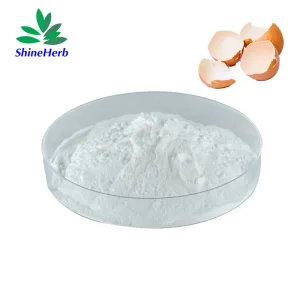 Hydrolyzed Eggshell Membrane Peptide for Egyptian Joint & Skin Health
China High Quality Eggshell Membrane Peptide Wholesale Companies, Exporter
-
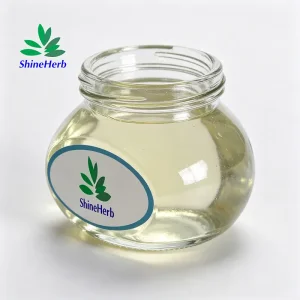 High-Stability Plant-Derived Squalane Oil for Egyptian Cosmetics
-
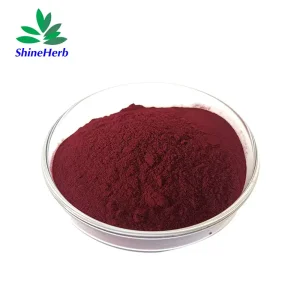 Food Grade Vitamin B12 (Cyanocobalamin) for Egyptian Fortification
Buy Shineherb High Quality Food Grade Vitamin B12 Cyanocobalamin Powder Manufacturer, Suppliers
-
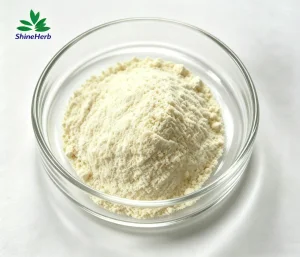 Wholesale Bird's Nest Peptide for Egyptian Nutraceutical Formulas
Wholesale Bird's Nest Peptide High Absorption Supplement ingredients Exporter, Factory
-
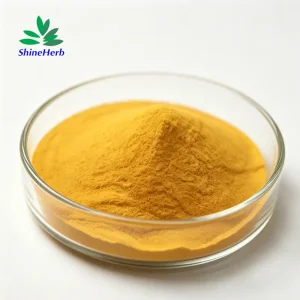 Pure Riboflavin Vitamin B2 (CAS 83-88-5) for Egyptian Feed & Food
High-Quality Vitamin B2 Riboflavin Factory Supplies CAS 83-88-5 Bulk supply Manufacturers, Factories
-
 4-Butylresorcinol Pure Bio-Depigmenting Agent for Egyptian Dermatology
Best 4-Butylresorcinol Skin Lightening Ingredient for Cosmetic Formulations Companies, Factory
-
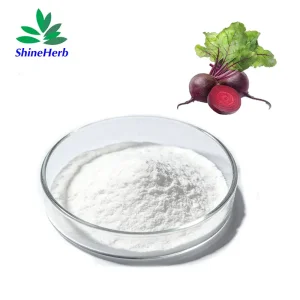 Pharmaceutical Betaine Hydrochloride (Betaine HCL) for Egyptian Plants
-
 Pure Ceramide Complex NP for Egyptian Epidermal Barrier Creams
Wholesale Ceramide Complex Cosmetic Grade Ceramide NP For Skincare Exporters, Factory