High-Bioavailability Formulations & Actives
Explore high-purity active pharmaceutical intermediates, standardized botanical complexes, and liposomal delivery solutions verified by validated assay methodologies.
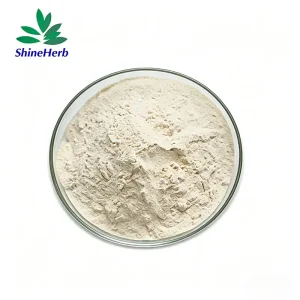
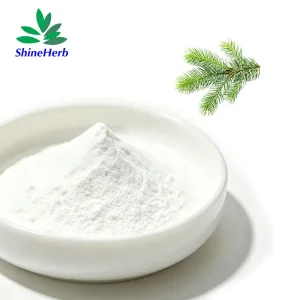
Commercial Status & Global Yucca Extract Demand Matrix
The global demand for wholesale Yucca extract powder (derived primarily from Yucca schidigera and Yucca filamentosa) has evolved from an obscure herbal adjuvant into an indispensable functional ingredient across multiple high-growth industries.
Supply Chain Bottlenecks
Native reserves of wild Yucca plants in North American and Mexican arid belts face strict harvest volume control. Forward-thinking wholesale suppliers have established sustainable harvesting covenants and large-scale cultivated agricultural zones to assure consistent enterprise tonnage.
Regulatory Stringency
With EFSA regulations in the European Union and FDA GRAS affirmations in the United States governing animal feed emissions and nutraceutical ingestives, commercial buyers increasingly audit suppliers on complete residue profiles, heavy metals, and validated saponin fraction yields.
Enterprise Consolidation
Global compound feed formulators and botanical brands are shedding unverified brokers. Sourcing strategies now prioritize vertically integrated manufacturers with verified batch-to-batch HPLC chromatograms, documented extraction kinetics, and warehouse redundancy.
Phytochemical Standardization & Release Specifications
Yucca extract activity is driven by steroidal saponins (specifically sarsasapogenin, smilagenin, markogenin, and gitogenin) alongside polyphenolic stilbenes like yuccaols A–E and resveratrol analogs. Below is our benchmark procurement release matrix.
| Analytical Parameter | Standard Commercial Grade | High-Potency Purified Grade | Assay Methodology |
|---|---|---|---|
| Total Steroidal Saponins | ≥ 30.0% – 40.0% | ≥ 50.0% – 60.0% | UV-Vis / HPLC (Sarsasapogenin standard) |
| B50 Value (Surface Activity) | < 5.0 mg/mL | < 2.5 mg/mL | Hemolytic / Foam Height Volumetric |
| Resveratrol & Yuccaols Content | ≥ 1.5% | ≥ 3.5% – 5.0% | High Performance Liquid Chromatography |
| Loss on Drying (Moisture) | ≤ 6.0% | ≤ 4.5% | USP <731> Vacuum Oven 105°C |
| Total Heavy Metals (as Pb) | ≤ 10.0 ppm | ≤ 5.0 ppm | ICP-MS (Inductively Coupled Plasma) |
| Lead (Pb) / Arsenic (As) | Pb ≤ 2.0 ppm / As ≤ 1.0 ppm | Pb ≤ 1.0 ppm / As ≤ 0.5 ppm | ICP-MS Monitored |
| Aerobic Plate Count (Total Viable) | ≤ 1,000 CFU/g | ≤ 500 CFU/g | USP <2021> Microbial Enumeration |
Cross-Sector Industrial & Localized Use Scenarios
Due to the dual presence of hydrophobic sapogenin cores and hydrophilic oligosaccharide branches, Yucca extract exhibits natural surfactant and urease-inhibiting properties across high-value sectors.
Intensive Livestock & Aquaculture
Direct inclusion in poultry, swine, and ruminant diets limits urease enzyme catalysis in feces. By irreversibly binding ammonia (NH3) and hydrogen sulfide, it suppresses barn respiratory inflammation, improves feed conversion ratios (FCR), and preserves dissolved oxygen in closed aquaculture waterways.
Companion Animal & Pet Nutrition
Widely utilized by super-premium feline and canine kibble manufacturers to eliminate fecal odor. Yucca saponins alter intestinal microbial membrane permeability without cytotoxicity, supporting gut floral diversity, joint comfort, and reducing volatile sulfur emissions.
Modern Agronomy & Fertigation
Functions as an eco-certified non-ionic organic wetting agent. When blended with bio-pesticides or drip-irrigation nutrients, it reduces water surface tension, promotes soil penetration in hydrophobic compact substrates, and activates systemic acquired resistance (SAR) in horticultural crops.
Nutraceuticals & Joint Health
Formulated into human clinical supplements targeted at arthritis management and metabolic support. Phenolic yuccaol fractions block NF-κB nuclear translocation, reducing pro-inflammatory cytokines like iNOS and COX-2 without damaging gastric mucosal integrity.
Clean-Label Beverage Foaming
Acts as an FDA-compliant natural foaming agent in root beers, low-alcohol craft beverages, and specialty functional waters. Yucca's stable colloidal micro-foaming properties replace synthetic surfactants like sodium lauryl sulfate or propylene glycol alginates.
Eco-Remediation & Sludge Composting
Applied within commercial municipal composting facilities and swine effluent lagoons. Accelerates organic cellulose decomposition while halting immediate gaseous volatilization of toxic nitrogen fractions into surrounding ecosystems.
Engineering Roadmap: Green Refining & Targeted Bioactives
Enterprise procurement requires partnering with manufacturers who invest in progressive process engineering. The industrial evolution of wholesale Yucca processing centers on higher bioactivity, lower carbon footprints, and targeted isolation.
Replacing static batch tanks with automated countercurrent ultrasonic-assisted hydrodynamic extraction, increasing crude saponin yields by 22% while cutting solvent usage by half.
Implementing nanofiltration and spiral wound membrane cascades to selectively remove dark pigments, plant resins, and free sugars without high thermal degradation.
Fluidized-bed microencapsulation with lipid matrices protecting sensitive saponin complexes from pre-gastric degradation, assuring release directly in intestinal targeted segments.
Industrial preparative chromatography targeting individual isolated yuccaol stereoisomers for next-generation cardiovascular and dermatological pharmaceutical applications.
Macro Supply Chain Solutions for Global Buyers
Sourcing multi-ton wholesale shipments requires an uncompromised risk-mitigation framework spanning raw material origins, manufacturing redundancy, and rigorous document integrity.
Full-Traceability Audit Dossiers
Every commercial lot ships backed by an expansive analytical portfolio: batch COA, validated heavy metal ICP-MS quantification, gas chromatography pesticide residue screens (>400 analytes), and raw botanical species verification via DNA barcode fingerprinting.
Strategic Multi-Regional Hubs
Mitigate geopolitical and sea-freight chokepoints. By holding palletized stock across bonded warehouses in North America, Western Europe, and East Asia, procurement partners secure contracted safety stocks with guaranteed dispatch windows.
Custom Density & Granulation Matching
From ultra-fine 120-mesh cold-water dispersible grades designed for automatic beverage dosers, to non-dusting granulated forms for continuous high-speed animal feed extrusion lines, physical specifications are adapted to your plant equipment.
Frequently Asked Questions: Wholesale Yucca Procurement
Direct technical answers addressing standardization ambiguity, formulation parameters, regulatory registration, and storage thermodynamics.
What is the fundamental difference between UV and HPLC testing methods for Yucca saponins?
UV-Vis spectrophotometry evaluates the total conjugated steroidal nucleus after reaction with colorimetric reagents (like vanillin-perchloric acid), yielding an overall group estimation that can overestimate true saponin levels if free phytosterols are present. Conversely, High-Performance Liquid Chromatography (HPLC) coupled with ELSD or MS accurately separates and quantifies distinct saponin peaks (such as sarsasapogenin glycosides). Reliable wholesale contracts should always explicitly state the target analytical method on the Certificate of Analysis.
How does Yucca extract powder inhibit ammonia emissions in intensive animal farming?
Yucca extract functions through two distinct biochemical pathways: First, its macromolecular glycocomponents bind ammonia directly in intestinal chyme and animal slurry via chemical adsorption. Second, its saponin fraction selectively regulates intestinal protozoan populations and suppresses urease enzymatic kinetics, preventing nitrogenous waste from decomposing into volatile NH3 gas before excretion.
Is your Yucca extract fully water-soluble for liquid fertigation and beverage lines?
Yes. We manufacture both standard feed grade powders and 100% cold-water-soluble, de-resinated grades. Our purified water-soluble yucca extract undergoes specialized centrifugal clarification and membrane polishing to eliminate hydrophobic plant waxes and insoluble fibers, producing a clear, transparent solution suitable for liquid dosing setups and foaming beverage formulations without nozzle fouling.
What packaging and shelf-life conditions apply to containerized ocean shipments?
Wholesale Yucca extract powder is hygroscopic due to its natural polysaccharide content. Bulk product is double-sealed inside food-grade virgin low-density polyethylene (LDPE) liner bags within nitrogen-flushed, moisture-barrier multi-wall fiber drums (typically 25 kg net weight). Stored in a cool (<25°C), dark, and dry warehouse away from radiant heat, our extract maintains validated assay stability for a minimum of 24 months from the manufacturing release date.
Can Yucca extract powder be combined safely with other active ingredients or probiotics?
Absolutely. Yucca saponins possess high thermal stability (enduring pelleting temperatures up to 90°C–95°C for brief durations) and exhibit excellent compatibility with vitamins, inorganic trace mineral chelates, digestive enzymes, and spore-forming probiotics like Bacillus subtilis. In fact, by creating a more favorable, lower-ammonia gut pH microenvironment, Yucca frequently enhances probiotic colonization efficiency.
Specialty Nutritional Actives & Enterprise Raw Materials
Complementary functional ingredients manufactured to rigorous international pharmacopoeia standards, fully ready for multi-ton consolidated dispatch.