High-Purity Bioactive Ingredients & Derivatives
Verified analytical monographs, batch-traceable raw materials, and precision cosmetic/nutraceutical active substances directly from export manufacturing lines.
Gentiopicrin: Secoiridoid Glucoside Characterization & Purity Profiles
A comprehensive assessment of CAS 20831-76-9, botanical taxonomy, high-performance liquid chromatography standardization, and chemical stability factors for B2B procurement leaders.
Botanical Provenance & Species
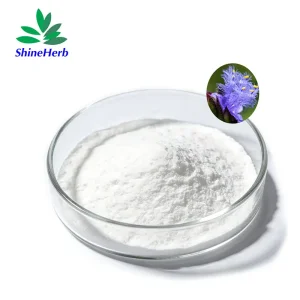
Gentiopicrin (gentiopicroside) is the dominant pharmacological iridoid bitter glycoside found in the root systems of Gentiana macrophylla Pall. (Qin Jiao), Gentiana scabra Bunge (Long Dan), Gentiana lutea L. (Yellow Gentian), and allied gentianaceous taxa. High-yield extraction requires authentic botanical origin verification, cold-chain post-harvest preservation, and quantitative fingerprinting against CP and Ph. Eur. reference standards.
- Primary origins: Qinling Mountain botanical belt (Shaanxi, China) & Qinghai-Tibet plateau
- Phenological harvest window: Autumn dormant phase maximizing iridoid secondary metabolites
- Species authentication: DNA barcoding and TLC fingerprint identity verification
Molecular Architecture & Stability
Featuring the molecular formula C16H20O9 (MW: 356.32 g/mol), gentiopicrin possesses a delicate secoiridoid lactone skeleton linked to a β-D-glucopyranosyl moiety. The double-bond conjugate system imparts vulnerability to aggressive thermal degradation and extreme pH swings, requiring vacuum low-temperature countercurrent extraction to prevent opening of the lactone ring and formation of swertiamarin or gentiogenal artifacts.
- CAS Registry Number: 20831-76-9 | EC Number: 244-071-8
- IUPAC: (5R,6S)-5-ethenyl-6-(β-D-glucopyranosyloxy)-5,6-dihydro-1H,3H-pyrano[3,4-c]pyran-1-one
- Thermal threshold: Degrades above 68°C; requires nitrogen-blanketed low-temp concentration
Chromatographic Release Criteria
Every industrial lot destined for global export is assayed through validated Reversed-Phase High-Performance Liquid Chromatography (RP-HPLC) coupled with a Photo Diode Array (PDA) detector at 270 nm. Purity specifications range from commercial 1.0%–10.0% standardized dietary extract powders up to ultra-pure >98.0% analytical and pharmaceutical active pharmaceutical ingredient (API) grades.
- Stationary phase: C18 Octadecylsilyl silica (5 μm, 4.6 × 250 mm)
- Mobile phase: Methanol / Water / Acetonitrile isocratic & gradient programs
- Resolution factor: Rs > 2.0 against swertiamarin, loganic acid, and sweroside peaks
| Analytical Parameter | Technical Specification (Pharma Grade >98%) | Standardized Extract (10% - 20%) | Testing Protocol / Instrument |
|---|---|---|---|
| Assay / Potency | ≥ 98.0% Gentiopicroside (Dry Basis) | 10.0% – 20.0% Standardized | RP-HPLC (UV detection at 270 nm) |
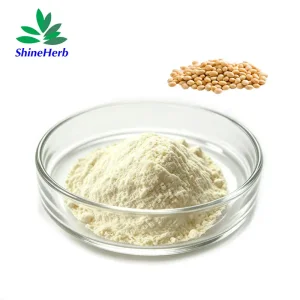
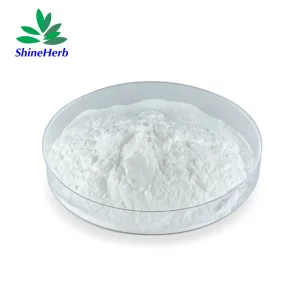
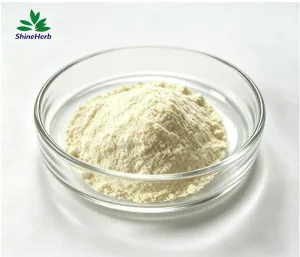
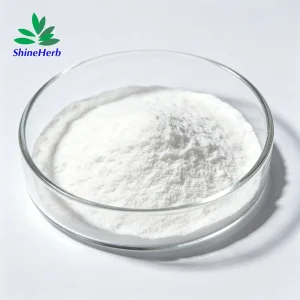
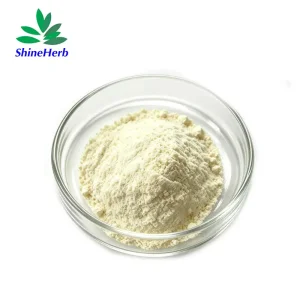
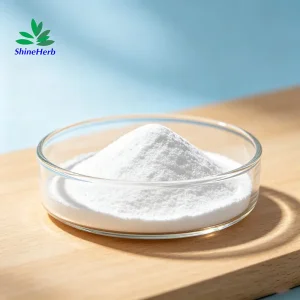
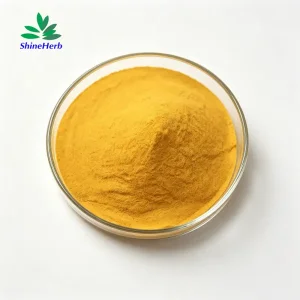
| Physical Appearance | Fine off-white to pure crystalline powder | Fine light brownish-yellow powder | Visual / Photometric appraisal |
| Particle Sizing | 100% through 80 Mesh (Custom: 120 mesh) | 100% through 80 Mesh | Analytical Sieve Shaker USP <786> |
| Loss on Drying (LOD) | ≤ 2.00% | ≤ 5.00% | Halogen Moisture Analyzer USP <731> |
| Total Ash Content | ≤ 0.50% | ≤ 5.00% | Muffle Furnace (550°C, 4h) Ph. Eur. 2.4.16 |
| Heavy Metals (Pb, As, Cd, Hg) | Total < 10 ppm (Pb < 2ppm, As < 1ppm, Cd < 0.5ppm) | Total < 10 ppm (California Prop 65 ready) | ICP-MS (Inductively Coupled Plasma Mass) |
| Residual Solvents (ICH Q3C) | Ethanol < 1,000 ppm; Methanol/EtOAc < 50 ppm | Ethanol < 2,500 ppm; No Class 1 solvents | Headspace Gas Chromatography (GC-FID) |
| Microbiological Profile | TAMC < 1,000 CFU/g, TYMC < 100 CFU/g, Salmonella/E. Coli Neg | TAMC < 3,000 CFU/g, TYMC < 200 CFU/g | USP <61> & <62> Microbial Enumeration |
Macro Industry Applications & Formula Engineering
Strategic deployment of gentiopicrin across clinical therapeutics, digestive pharmacology, targeted dermo-cosmetics, and functional nutritional architecture.
Hepatoprotection & Bile Secretion
Gentiopicrin serves as an indispensable active raw ingredient in pharmaceutical hepatoprotective treatments. Modern clinical investigations highlight its pathway intervention against hepatic stellate cell (HSC) proliferation via down-regulation of TGF-β1/Smad signaling cascades, directly reducing chemical- and lipid-induced liver fibrosis while significantly promoting bile acid excretion through choleretic mechanisms.
Pharma & Liver HealthDigestive Health & TAS2R Modulation
Acting as a potent natural agonist for type 2 bitter taste receptors (TAS2Rs) expressed throughout the oral cavity and gastric mucosa, gentiopicrin promotes reflex gastrin and pepsin secretion. Brands developing premium digestive bitters, appetite enhancers, and gut microbiome balancing tablets procure standardized gentian extracts to restore gastrointestinal transit velocity and soothe functional dyspepsia.
Gastric Bitters & SupplementsRheumatoid & Anti-Inflammatory
Widely referenced in historical and clinical phytotherapy, secoiridoid glycosides markedly attenuate the NF-κB and MAPK inflammatory signaling pathways. By curbing excessive releases of TNF-α, IL-1β, and IL-6, wholesale gentiopicrin provides a natural therapeutic backbone for arthritis therapeutics, post-exercise muscular restoration, and joint-protective veterinary formulations without gastrolesive side-effects.
Immune & Joint SupportDermo-Cosmetic Barrier Repair
In high-end skincare, gentiopicroside suppresses ultraviolet-induced matrix metalloproteinase-1 (MMP-1) expression, preventing collagen breakdown while simultaneously stimulating filaggrin and aquaporin-3 production in keratinocytes. Its exceptional soothing and anti-erythema profile renders it an ideal functional constituent in calming serums and compromised skin barrier repair formulations.
Cosmeceutical Skin BarrierChina Factory 4.0: Botanical Corridor Resilience & Processing Scale
Harnessing Shaanxi's strategic botanical hub and automated cleanroom extraction lines to achieve consistent batch stability, high yield economics, and uncompromising export velocity.
Shaanxi Botanical Ecosystem Hub
Our extraction facilities are situated in the Xi'an Hi-Tech National Industrial Zone, immediately adjacent to the Qinling Mountains—the botanical medicine capital of Asia. This geographical synergy secures immediate direct access to sustainably cultivated and wildcrafted Gentiana macrophylla (Qin Jiao) roots, drastically shortening raw crop transit times, minimizing microbial pre-spoilage, and dampening cross-border supply chain volatility.
Strategic Geographic AssetContinuous Countercurrent Line Automation
Traditional batch boiling methods destroy heat-sensitive secoiridoid bonds. Our smart factory deployment incorporates programmable continuous countercurrent ultrasonic-assisted extraction units (CCAE). Controlled hydrodynamic pressure, continuous closed-loop food-grade ethanol circulation, and low-temperature falling film evaporation ensure higher active recovery rates (>92% yield efficiency) while lowering production carbon footprints by 38%.
Automated Processing 4.0ERP-Integrated Batch Quarantine & Track
From botanical raw voucher inspection to finished pallet wrapping, every individual processing stage is locked within a cloud-synchronized MES (Manufacturing Execution System). Unreleased product holds are automatically quarantined digitally. Barcode lot serialization guarantees that third-party pesticide screens, HPLC analytical sheets, and microbiological assays correspond precisely with the exact drum delivered.
End-to-End SerializationEnterprise Sourcing Checklist & Qualification Framework
Addressing the stringent vendor qualification demands of multinational procurement directors, QA auditors, and regulatory compliance teams.
Vendor Quality Audit Readiness
Enterprise procurement departments qualifying wholesale botanical extractors face rigid scrutiny under US FDA 21 CFR Part 111/211 and EU GMP regulations. We provide transparent supplier dossiers that eliminate qualification hurdles:
- Site Master File (SMF): Facility schematics, AHU HVAC zoning, and cleanroom air change rates.
- Validations: Process validation, analytical method validation (ICH Q2(R1)), and cleaning validation reports.
- Third-Party Audit Clearances: Certified by SGS, NSF, and Eurofins for global standard compliance.
- Full Non-Animal Testing & GMO Statements: Cruelty-free declarations and non-irradiated status guarantees.
Supply Agreements & Logistics Assurance
Ensuring steady supply resilience against market price shocks, export shipping bottlenecks, and customs detention threats through mature commercial frameworks:
- Tiered MOQ Architecture: Flexible minimum order quantities starting from 1kg trial R&D lots to multi-ton annualized supply agreements.
- Incoterms Versatility: Seamless execution under EXW, FOB Qingdao/Shanghai, CIF destination ports, and DDP to US/EU customer facilities.
- Pharma Packaging: Double-sealed medical-grade LDPE liners housed inside heat-treated, tamper-evident 25kg fiberboard drums.
- Cold-Chain Protection: Temperature-controlled container dispatch with calibrated data loggers for vulnerable liquid or slurry intermediates.
Localized Regulatory Support & International Compliance
Removing international customs barriers with full drug master filing support, pharmacopoeial monograph compliance, and cross-border documentary packages.
DMF & ASMF Technical Dossiers
To assist pharmaceutical customers undergoing drug product registration, our regulatory affairs team supplies US FDA Type II Drug Master File (DMF) submissions and European CEP/ASMF documentation. Complete chemistry, manufacturing, and controls (CMC) summaries accelerate clinical trial approvals and market authorisations.
Pharma Regulatory FilingHalal, Kosher & Food-Safety System
Our complete refining lines hold comprehensive international religious and sanitary certifications. From strict porcine-free, ethanol-cleared lines compliant with international HALAL accreditation standards to annual rabbinical KOSHER audits and HACCP critical control point verifications, our goods pass customs effortlessly worldwide.
Religious & Sanitary AssuredEcological CITES & Sustainability Verification
With wild gentian species increasingly targeted for conservation oversight, our procurement model strictly relies upon GAP (Good Agricultural Practice) commercial cultivation fields. We provide CITES non-endangered declarations and sustainable wildcrafting certificates to eliminate any customs seizure risks under EU environmental regulations.
GAP Cultivation TraceabilityTechnology Roadmap: Synthetic Biology & Green Extraction Horizons
Anticipating the next decade of botanical manufacturing: transitioning from natural maceration to synthetic biology, biocatalytic deglycosylation, and zero-effluent downstream processing.
Continuous Preparative HPLC
Moving beyond classical macroporous adsorption resin columns towards simulated moving bed (SMB) chromatography. This yields ultra-high recovery (>99.2% purity) while recycling up to 90% of eluting solvent mixtures.
Enzymatic Biotransformation
Leveraging tailored β-glucosidases and immobilized microbial enzymes to convert native co-extracted swertiamarin and sweroside fractions directly into gentiopicrin, maximizing natural crop total utilization.
Microbial Chassis Cell Synthesis
Collaborating with academic synthetic biology institutions to clone the secoiridoid pathway into engineered Saccharomyces cerevisiae strains, establishing fermentation-derived gentiopicrin free from seasonal agricultural volatility.
Liposomal & Nanocarrier Delivery
Formulating targeted lipid nanoparticle (LNP) matrices for topical cosmetic and oral nutraceutical actives, dramatically improving transdermal permeability and biological plasma half-life.
Frequently Asked Questions: Global Procurement & Analysis
Authoritative technical and logistical answers directly addressing critical buyer concerns prior to contract signing and sample validation.
What exact chromatographic conditions are used to verify Gentiopicrin assay values on the batch COA?
Our quality control laboratories utilize standardized RP-HPLC methods compliant with the Chinese Pharmacopoeia (CP 2020) and validated against European Pharmacopoeia (Ph. Eur.) guidelines. Analysis is performed on an Agilent 1260 Infinity II instrument fitted with an Octadecylsilane (C18) column (250 mm × 4.6 mm, 5 μm). The mobile phase typically consists of an isocratic or stepped mixture of HPLC-grade Methanol and 0.1% Phosphoric Acid aqueous solution (e.g., 28:72 v/v) at a controlled column temperature of 30°C, flow rate of 1.0 mL/min, and UV detection centered at λ = 270 nm. The relative standard deviation (RSD) of system suitability replicate injections is strictly held below 1.5%.
How does your factory control residual solvents and avoid Class 1 organic solvents during extraction?
Under our strict cGMP and ISO 9001 environmental safety policies, we utilize exclusively USP/FCC-grade Ethanol and Deionized Water for raw root maceration and dynamic countercurrent extraction. Chlorinated solvents such as benzene, carbon tetrachloride, and 1,2-dichloroethane (ICH Q3C Class 1 solvents) are totally banned from our plant perimeter. Solvent stripped residues in finished powder are monitored via Headspace Gas Chromatography (HS-GC-FID). Ethanol residue levels are rigorously kept below 1,000 ppm (far below the USP <467> threshold of 5,000 ppm), ensuring full safety for ingestible dietary supplement and pharmaceutical applications.
What are the recommended storage parameters to prevent Gentiopicrin degradation during ocean freight?
Due to the hydrolytic vulnerability of the ester lactone ring in secoiridoid structures when exposed to elevated temperatures and moisture, Gentiopicrin bulk powder should be preserved in tightly sealed, light-resistant containers. For international ocean freight passing through equatorial regions, we recommend climate-controlled reefer containers (15°C–25°C) or rapid air-freight transport. Bulk packaging comprises inner pharmaceutical-grade vacuum-sealed polybags surrounded by aluminum-foil oxygen barrier liners inside double-corrugated fiber drums containing food-grade desiccant packets, ensuring a re-test shelf life of 24 to 36 months.
Can your company furnish complete batch traceability and GAP cultivation audit reports?
Yes. Every single commercial delivery carries a batch-specific Certificate of Analysis (COA) directly tied to our electronic enterprise recording system. We provide full visibility through our botanical chain-of-custody documentation, including Good Agricultural Practices (GAP) planting cooperative agreements in Shaanxi and Gansu provinces, harvesting period logs, heavy metal soil baseline analyses, multi-residue pesticide screens covering over 400 pesticides (GC-MS/MS and LC-MS/MS conforming to Ph. Eur. 2.8.13), and botanical specimen voucher authentication by licensed phytochemists.
What documentation is supplied for customs clearance in the United States and the European Union?
We supply a comprehensive export regulatory pack designed to clear customs without delay: Commercial Invoice, Packing List, Bill of Lading, Certificate of Origin (COO), Batch Certificate of Analysis (COA), Technical Specification Sheet (TDS), Safety Data Sheet (SDS) conforming to GHS / OSHA Hazard Communication Standard, Non-BSE/TSE declaration, Allergen Statement, Vegan Certification, GMO-Free verification, and CITES non-endangered botanical exemption statements.
Premium Active Raw Materials & Fine Biochemicals
Expand your formulation matrix with verified dietary ingredients, organic cosmetic actives, and pharmaceutical raw materials manufactured under unified cGMP standards.