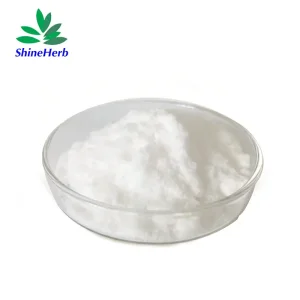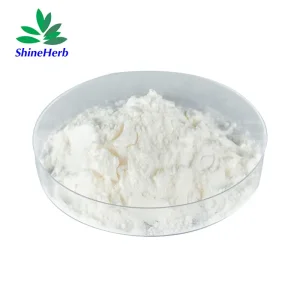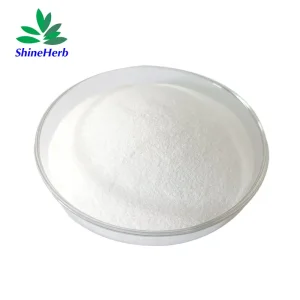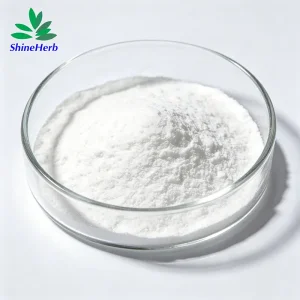
Primary Industrial Bioactive Catalogs
Direct supply portfolio featuring high-potency nutritional supplements, functional enzymes, and pharmaceutical-grade chemical entities verified by HPLC and enzymatic assays.
The Spore-Forming Paradigm of Bacillus Coagulans
Comprehensive biotechnical overview of Weizmannia coagulans (formerly Bacillus coagulans): Endospore morphology, thermodynamic persistence, and metabolic cascades.
Spore Coat Armor & Thermostability
Unlike vegetative probiotics such as Bifidobacterium and Lactobacillus that rapidly denature under modest thermal conditions, wholesale Bacillus Coagulans is characterized by a multi-layered proteinaceous endospore coat. Composed of cross-linked keratin-like polymers and dipicolinic acid (DPA) chelated with divalent calcium ions, this crystalline architecture stabilizes cellular ribosomal integrity up to 90°C–100°C during short-duration food extrusion and pasteurization.
Gastric Acid & Bile Salt Resilience
The gastric transit phase represents the single largest bottleneck in therapeutic probiotic bioavailability. The calcified endospore shell of industrial Bacillus Coagulans remains metabolically quiescent across hostile environments (pH 1.2 to 2.5) without incurring lysis. Upon reaching the alkaline duodenum (pH 6.5–7.5) saturated with conjugated bile salts, the endospore sheds its exosporium within 4–6 hours, germinating into vegetative L(+)-lactic acid generating cells.
Pure L(+)-Lactic Acid Secretion
Industrial strains isolated and cultured by dedicated manufacturers exhibit homofermentative enzymatic profiles, converting dietary hexoses solely into optically pure L(+)-lactic acid. Unlike D(-)-lactic acid which induces metabolic acidosis in infants and patients with short-bowel syndrome, L(+)-lactate is bio-assimilated immediately through hepatic pyruvate dehydrogenase pathways, providing gut epithelial trophic fuel and downregulating pathogenic dysbiosis.
China Factory Supply Chain & Fermentation Hegemony
How state-of-the-art Chinese biotechnology facilities leverage economies of scale, automated bioreactors, and localized botanical clusters to deliver global cost-performance.
Multi-Ton Liquid Submerged Fermentation
Chinese bio-manufacturing plants utilize fully automated, sanitary 316L stainless-steel bioreactors ranging from 30,000L to 120,000L. Advanced dissolved oxygen (DO), oxidation-reduction potential (ORP), and cascade pH control ensure synchronized spore formation rates exceeding 95% across every production harvest.
Microencapsulation & Controlled Crystallization
Using proprietary continuous centrifugal dewatering paired with low-temperature fluidized-bed spray granulators, active bacterial cells are embedded in non-GMO prebiotic matrices (e.g., resistant maltodextrin, fructooligosaccharides, or inulin), preventing premature degradation during high-speed packaging.
Vertical Integration & Raw Material Stability
Situated in inland manufacturing and agricultural logistics corridors like Shaanxi and adjacent hubs, production complexes draw from nearby non-GMO carbon and nitrogen feedstocks, mitigating price spikes seen in fragmented overseas markets and insulating bulk contracts from external volatility.
Flexible Consolidation & Intermodal Freight
Buyers sourcing Bacillus Coagulans wholesale benefit from consolidated multi-ingredient shipments. Probiotic bulk powders can be combined with functional plant extracts, vitamins, and minerals in single multimodal air or containerized sea vessels, substantially reducing customs clearance overheads.
Proprietary Upstream Extraction & Fermentation Synergy
Modern production facilities run real-time automated monitoring of cell density (OD600) and optical density spectroscopy to isolate the exact moment of sporulation. When the culture depletes specialized nitrogen triggers, vegetative cells condense their protoplasts into refractile endospores. Rapid thermal shocking and ultrafiltration isolate the spore mass without chemical detergents, providing high viable spore concentrations (e.g., 50 Billion to 100 Billion CFU/gram) with zero residual chemical solvents or cross-contaminating secondary metabolites.
Global Enterprise Procurement Requirements
Deconstructing the technical qualification hurdles, audit standards, and risk mitigation criteria enforced by enterprise brands and contract manufacturers.
Genetic Identity & Whole Genome Sequencing
Tier-1 multinational brands no longer accept generic strain declarations. Procurement managers mandate 16S rRNA gene sequencing, MLST (Multi-Locus Sequence Typing), and whole-genome sequencing (WGS) data proving absence of transferable antimicrobial resistance (AMR) genes, enterotoxin genes (e.g., hemolysin BL, non-hemolytic enterotoxin), and cereulide synthetase pathways.
Carrier Interoperability & Water Activity Control
In solid dosage forms (capsules, tablets, drink stick packs), free water activity (Aw) determines longevity. Wholesale buyers require rigorous standardization of moisture parameters (Aw ≤ 0.15) utilizing hypoallergenic carriers like organic rice maltodextrin, chicory inulin, or microcrystalline cellulose tailored to clean-label claims and automated high-speed blistering machines.
Direct-to-Vessel Audit Readiness
Global supply continuity hinges on documentation packs released per batch: comprehensive Certificates of Analysis (COA), allergen certificates confirming absence of milk, soy, and gluten, residual solvent screens according to USP <467>, heavy metal ICP-MS quantification (Pb, As, Cd, Hg < 0.1 ppm), and third-party laboratory verification (e.g., SGS, Eurofins).
| Specification Parameter | Standard Food Grade | High-Potency Dietary Grade | Pharmaceutical / Clinical Grade |
|---|---|---|---|
| Viable Cell Count (CFU/g) | ≥ 1.0 × 10¹⁰ (10 Billion) | ≥ 5.0 × 10¹⁰ (50 Billion) | ≥ 1.0 × 10¹¹ (100–200 Billion) |
| Spore Formation Ratio | ≥ 90.0% | ≥ 95.0% | ≥ 98.5% |
| Water Activity (Aw) | ≤ 0.25 | ≤ 0.18 | ≤ 0.12 |
| Carrier Matrix | Corn / Maltodextrin | Inulin / FOS / Rice Flour | Neat Spore Powder / Customized |
| Lead (Pb) & Arsenic (As) | < 0.5 ppm | < 0.2 ppm | < 0.1 ppm (ICP-MS Verified) |
| Residual Moisture (LOD) | ≤ 6.0% | ≤ 4.5% | ≤ 3.0% |
Localized Formulation & Delivery Matrixes
Engineered for formulation flexibility across consumer packaged goods (CPG), functional confectionery, hot-beverage platforms, and clinical supplements.
Functional Gummies & Pectin Chews
Confectionery manufacturing exposes active components to boiling pectin or gelatin syrup (105°C–115°C) and food-grade acidulants (citric/malic acid). Bacillus Coagulans survives this thermal holding window with minimal degradation, allowing brands to guarantee label claims without excessive 200% overages.
Hot Beverage Pods & Dry Tea Mixes
Traditional probiotics cannot survive brewing temperatures. The calcified spore coat of wholesale Bacillus Coagulans enables its inclusion in ground coffee pods, matcha sticks, and herbal infusions, enduring 85°C–92°C boiling extraction and germinating within the consumer's digestive tract.
Bakery & High-Temperature Extrusion
Integrated into protein bars, cereal granolas, and extruded biscuits, the ingredient withstands high shear pressures and industrial oven temperatures up to 200°C for short cycles. Core cellular DNA remains protected by concentrated core dipicolinate matrices.
Veterinary Feed & Pet Nutrition
Pet nutrition brands utilize bulk Bacillus Coagulans in dry dog kibble, soft chews, and livestock premixes. It resists high-pressure steam conditioning and pelleted feed dies, optimizing gut flora balance and immune modulation without antibiotics.
Localized Support & Regulatory Compliance
Streamlined cross-border compliance mapping across the FDA, EFSA, Health Canada, and international pharmacopoeial frameworks.
United States FDA & FSMA Alignment
Our Bacillus Coagulans bulk materials are backed by US FDA Self-Affirmed GRAS (Generally Recognized as Safe) dossiers and New Dietary Ingredient Notifications (NDIN). Every commercial container complies with cGMP 21 CFR Part 111 for dietary supplements and 21 CFR Part 117 for preventative human food safety controls.
European Union EFSA & QPS Accreditation
Within the EU market, Weizmannia coagulans maintains Qualified Presumption of Safety (QPS) status. Consignments destined for Hamburg, Rotterdam, or Antwerp ship accompanied by validated non-GMO statements complying with Regulations (EC) No 1829/2003 and 1830/2003, with verified limits for heavy metals and mycotoxins.
Dietary & Ethical Global Certifications
To serve diversified retail populations, all batch lines carry annual Kosher (OU / Star-K standard) and Halal (MUI / IFANCA compliant) certifications. Furthermore, the absence of animal-derived nitrogen fermentation broths allows formulation teams to secure 100% Vegan Society and Non-GMO Project Verified claims.
Industry Trends & Next-Generation Market Frontiers
Emerging research directions, postbiotic transition phases, and cross-functional synbiotics elevating industrial market consumption.
The Postbiotic Revolution
Scientific validation of heat-inactivated Bacillus Coagulans spores (Tyndallized Coagulans) is surging. Dead cellular membranes containing peptidoglycans and lipoteichoic acids exhibit clear immunomodulatory properties and mucosal barrier stabilization, opening regulatory pathways in regional markets where live micro-organisms face stricter import licensing.
Synbiotic & Phytonutrient Synergies
Advanced R&D formulators combine Bacillus Coagulans with polyphenols, standardized plant extracts (e.g., Quercetin, Green Tea catechins), and specific enzymes (Lactase, Protease). Unlike traditional probiotic cultures that degrade in the presence of astringent polyphenols, Coagulans spores coexist in dry powder states without viability loss.
Transparent Microbiome Tracing
B2B enterprise buyers increasingly demand lot-traceable strain identity verification via cloud-enabled genomic verification. Smart supply chain integration allows instant batch audit trails from seed bank resuscitation through fermentation, drying, packaging, and cold-chain intermodal delivery.
Frequently Asked Questions (FAQ)
In-depth responses covering viable enumeration techniques, analytical standards, packaging, shelf-stability testing, and contract logistics.
Spore enumeration differs from traditional lactic acid bacteria plating. The analytical protocol involves suspending a 1.0g test sample in sterile peptone water, followed by a controlled thermal heat-shock treatment at 75°C–80°C for 10–15 minutes. This step thermal-lyses any vegetative non-spore background bacteria while activating dormant Bacillus Coagulans spores. The suspension is rapidly cooled and plated onto Glucose Yeast Extract (GYE) Agar or Tryptic Soy Agar (TSA) and incubated at 37°C–40°C for 48 hours under aerobic conditions. Colony forming units are calculated accordingly.
While all three are spore-forming Bacilli, Bacillus Coagulans uniquely bridges the metabolic characteristics of the Bacillaceae and Lactobacillaceae families. It produces clean L(+)-lactic acid without gas production, making it gentle on the human intestinal tract. Bacillus subtilis and licheniformis are predominantly utilized for alkaline protease enzyme synthesis and animal feed applications, whereas Coagulans is favored for high-tier human clinical supplements and consumer foods.
Wholesale material is vacuum-sealed in multi-layered pharmaceutical-grade aluminum foil barrier pouches (1kg, 5kg, or 25kg fiber drums) lined with dual food-grade polyethylene liners. Each package includes food-grade silica desiccant canisters to sustain water activity (Aw) below 0.15. Stored in unopened packaging under cool, dry conditions (<25°C, relative humidity <50%), viable counts exhibit less than 3% decline per annum over a 36-month shelf life.
Yes. Standard production uses an 80–100 mesh granulation suitable for capsule filling and stick packs. For dry blending into functional beverages or fine cosmetic applications, micronized 200-mesh preparations are available. Carriers can be custom-formulated using certified organic tapioca maltodextrin, native pea starch, or carrier-free neat powders exceeding 200 Billion CFU/g for compact tableting operations.
Pre-shipment verification samples (50g to 200g) accompanied by batch-specific COAs, FTIR spectra, and third-party microbiology reports are dispatched via express courier (DHL/FedEx) within 48 hours. Commercial contract lead times run 10–14 business days from fermentation schedule booking, supported by dedicated Incoterms including FOB Qingdao/Shanghai, CIF, and DDP to major Western European and North American facilities.
Extended Active Ingredient Portfolio
Explore complementary vitamins, amino acid intermediates, and biochemical actives available for consolidated global container shipping.