
High-Purity Verified Raw Materials & Co-Formulation Actives
Procure high-grade complementary bio-actives, enzyme stabilizers, and synthesis precursors engineered under rigorous cGMP protocols for seamless compounding.
Best Inosine Food Grade Powder CAS 58-63-9 Wholesale Exporter, Factories
View Product Specs
Best 4-Butylresorcinol Skin Lightening Ingredient for Cosmetic Formulations Companies, Factory
View Product Specs
China Natural Chlorella Extract Cgf Chlorella Growth Powder supplier Manufacturer, Factory
View Product Specs
Wholesale Factory Supply EDTA Calcium Disodium 99% Food Grade Manufacturer, Exporters
View Product Specs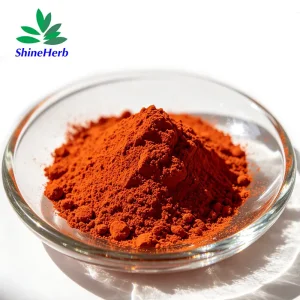
Best USP Fluorescein Sodium Salt CAS 518-47-8 for Ophthalmology Manufacturers, Companies
View Product Specs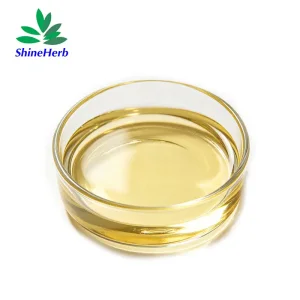
Buy 100% Natural D Alpha Tocopherol ingredient Vitamin E Oil Antioxidative Supplier, Companies
View Product Specs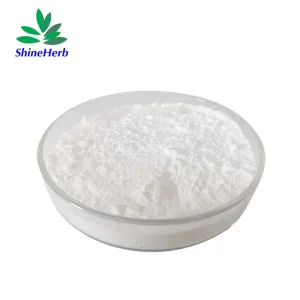
Best Shineherb supply L-Cysteine Hydrochloride Anhydrous CAS 52-89-1 Dietary Ingredient Manufacturers, Manufacturer
View Product Specs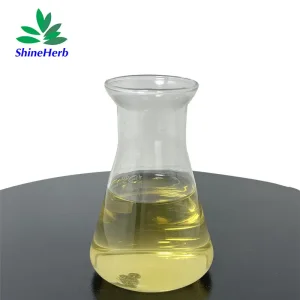
China Tween 60 Polysorbate 60 CAS 9005-67-8 Food Cosmetic Grade Raw Material Manufacturer, Suppliers
View Product SpecsStreptococcus thermophilus: Industrial Taxonomy & Phenotypic Architecture
Comprehensive physiological characterization, strain-level taxonomy, and bio-functional validation for global commercial procurement.
Morphology & Metabolism
Streptococcus thermophilus (formerly Streptococcus salivarius subsp. thermophilus) is a Gram-positive, non-motile, non-spore-forming facultative anaerobic spherical bacterium. It occurs characteristically in pairs or elongated chains measuring 0.7 to 1.0 μm in diameter.
Classified as a homofermentative lactic acid bacterium (LAB), it selectively utilizes lactose over glucose through an active phosphoenolpyruvate-dependent phosphotransferase system, converting disaccharides directly into pure L(+)-lactic acid without gas generation, maintaining superior clean profiles.
Thermal & Acid Kinetics
Unlike mesophilic streptococci, S. thermophilus exhibits extraordinary thermophilic properties, maintaining optimal biomass replication within 40°C to 48°C (104°F–118°F), with functional thermal survival extending up to 55°C during manufacturing.
It operates across a dynamic physiological pH spectrum of 4.2 to 6.8, synthesizing distinctive cell-envelope proteinases (PrtS) and extracellular polysaccharides (EPS) that create exceptional shear thinning stability, viscosity enhancement, and cellular protection during down-stream gastric transit.
Safety Profile & Regulatory Status
Holding undisputed safety status internationally, S. thermophilus is recognized with Qualified Presumption of Safety (QPS) status by the European Food Safety Authority (EFSA) and Generally Recognized as Safe (GRAS) by the United States Food and Drug Administration (US FDA).
Its non-hemolytic profile, lack of inducible antibiotic-resistance plasmid transfers, and absence of biogenic amine generation (devoid of histidine decarboxylase operons) make it the prime organism for safe mass supplementation.
| Analytical Assay Parameter | High-Potency Technical Standard | Standard Food & Starter Grade | Analytical Validation Methodology |
|---|---|---|---|
| Viable Cell Count (CFU/g) | ≥ 1.0 × 10¹¹ CFU/g (100 Billion) to 4.0 × 10¹¹ | ≥ 1.0 × 10¹⁰ CFU/g (10 Billion) | ISO 7889 / IDF 117 (M17 Agar, 42°C, 48h) |
| Water Activity (aw) | ≤ 0.12 | ≤ 0.15 | Chilled Mirror Dew Point Potentiometry |
| Moisture Content | ≤ 4.0% | ≤ 5.0% | Karl Fischer Titration / Vacuum Oven 105°C |
| Particle Morphology | 100% through 80 Mesh (≤ 180 μm) | 100% through 60 Mesh (≤ 250 μm) | USP <786> Mechanical Sieve Analysis |
| Lead (Pb) & Arsenic (As) | Pb ≤ 0.2 ppm | As ≤ 0.2 ppm | Pb ≤ 0.5 ppm | As ≤ 0.5 ppm | ICP-MS Inductively Coupled Plasma Mass Spectrometry |
| Total Enterobacteriaceae | < 10 CFU/g (Undetected) | < 10 CFU/g (Undetected) | ISO 21528-2 (VRBG Agar 37°C, 24h) |
Commercial Dynamics, Macro Procurement Trends & Supply Chain Resilience
Evaluating trade flow velocities, manufacturing capacities, and demand dynamics across transnational commercial hubs.
Surging Global Market Size & CAGR
The global probiotic ingredients sector has surpassed $4.8 billion, with Streptococcus thermophilus powder occupying more than 18% of total microbial raw volume due to its dual mandate across industrial dairy processing and advanced nutraceutical blending.
Experiencing a steady 7.8% CAGR through 2032, expanding consumption is driven by functional wellness beverages, symbiotic infant nutritional profiles, and shelf-stable capsule formulations seeking high-potency survivability.
Asia-Pacific & Regional Export Hubs
China, led by industrialized fermentation clusters in Shaanxi (Xi'an), Shandong, and Jiangsu, has emerged as the premier manufacturing powerhouse for standardized, high-titre probiotic powders, offering scalable capacity exceeding 15,000 metric tons annually.
Export velocity to Europe, North America, and ASEAN economies has accelerated, driven by modernized deep-tank fermenters that achieve lower production cost profiles while satisfying Western pharmacopeial monographs.
Procurement Audit Standards
Global procurement teams prioritize tier-1 factories equipped with complete upstream-to-downstream physical traceability. Modern industrial audits verify flow cytometry (FCM) viability counts over legacy plating alone.
Strict non-GMO verification, multi-stage genetic strain sequencing (16S rRNA and whole-genome sequencing), allergen-free growth media (dairy-free and soy-free fermentation protocols), and cold-chain data integrity represent standard vendor qualification criteria.
High-Density Fermentation, Cryoprotection & Lyophilization Roadmap
The industrial bioprocessing lifecycle transforming raw microbial inoculants into ultra-stable, high-potency dry powder.
Inoculation into automated 50,000L fermenters utilizing tailored nitrogenous feeds, lactose feeds, and computerized pH-stat neutralizing cascades with continuous online dissolved oxygen regulation.
Low-shear, high-speed disc-stack centrifugal concentration at 4°C to isolate bacterial biomass pellets without damaging cell wall integuments or expelling bound EPS layers.
Incorporation of biocompatible cryoprotectant formulations: trehalose, sodium ascorbate, and hydrolyzed soy/pea peptides to guard lipid membranes against ice crystallization.
Multi-stage programmatic sublimation lyophilization cycles operating at < -45°C under high vacuum (< 10 Pa), driving moisture down below 3.5% without denaturing cell wall proteins.
Microencapsulation Technologies
Top-tier manufacturing incorporates fluidized-bed fluidization and lipid-bilayer enteric coating. This double-microencapsulation technology shields S. thermophilus cells against acidic pepsin environments (pH 1.5–2.5) in the stomach.
Dissolution kinetics show over 85% viable liberation directly within the duodenum (pH 6.5–7.2), ensuring high colonization densities at the target mucosal brush border.
Water Activity Management
Probiotic cell mortality during storage is driven primarily by moisture migration. Our facilities deploy precise dry-milling and vacuum packaging within Class 100,000 cleanrooms maintaining relative humidity (RH) below 20%.
By enforcing an absolute critical threshold of $a_w \le 0.12$, the physical matrix prevents membrane enzyme re-activation, ensuring consistent stability counts over a 24-month lifespan.
Exopolysaccharide (EPS) Engineering
Selected industrial phenotypes are chosen for their over-expression of ropy exopolysaccharides (both capsular EPS-C and slime EPS-S). These heteropolysaccharides composed of galactose, glucose, and rhamnose act as natural physical barriers.
In addition to boosting thermal resistance up to 65°C, EPS molecules confer superior texture enhancement and water-binding capacity in finished dairy products.
Localized Commercial Applications: From Dairy Vats to Topical Biotics
Strategic utility mappings illustrating how multi-sector formulators deploy bulk lyophilized powder across high-value verticals.
Industrial Dairy Cultures
Operates as the foundational protocooperative starter alongside Lactobacillus delbrueckii subsp. bulgaricus. It supplies formic acid, folic acid, and carbon dioxide that stimulate lactobacilli growth, rapidly lowering fermentation batch times down to 4.5 hours in Greek yogurt, Skyr, and Mozzarella stretch cheeses.
Nutraceutical Supplements
Engineered for inclusion into oral capsules, chewables, effervescent powders, and stick sachets. It exhibits high lactase (β-galactosidase) activity, delivering proven symptomatic relief for lactose-malabsorbing populations by hydrolyzing milk sugars directly within the gastrointestinal lumen.
Cosmeceuticals & Postbiotics
Non-viable lysed cellular fractions and active fermentates are formulated into skin barrier creams and serums. S. thermophilus lysates induce significant upregulation of stratum corneum ceramide levels by delivering key sphingomyelinase precursors, soothing atopic dermatitis and rosacea symptoms.
Plant-Based Matrix Fermentations
Selected dairy-free acclimated strains are inoculated into oat milk, almond milk, and pea-protein beverage streams. Rapid acidification suppresses pathogenic sporeformers, while pleasant acetaldehyde and diacetyl synthesis notes mask unpleasant botanical bean aromas.
Turnkey Manufacturing Architecture, OEM Formulations & QA Control
Scalable contractual infrastructure designed to mitigate supply chain disruption for global enterprise brand holders.
Custom Potency Standardization
We provide exact customized CFU/g titration from concentrated high-density cake using food-grade anhydrous carriers such as pharmaceutical maltodextrin, trehalose, organic inulin, or resistant potato starch.
Every lot delivers guaranteed CFU specifications calculated at the end of shelf-life, taking overage factors into account to ensure finished brands consistently meet label claims through expiration.
Cryogenic Nitrogen Packaging
Air-sensitive freeze-dried cultures degrade rapidly when exposed to ambient oxygen and moisture. Our powders are hermetically heat-sealed inside 4-layer aluminum foil pouches injected with high-purity medical nitrogen flush.
Standard packaging configurations include 1.0 kg, 5.0 kg, and 25 kg fiberboard industrial drums lined with multi-layer EVOH gas-barrier films, ensuring continuous stability during ocean or air transport.
Regulatory Dossier Backing
We eliminate regulatory friction by supplying fully documented regulatory compliance packages. Every customer receives a complete Technical Dossier containing Allergen Declarations, Non-GMO Attestations, Residual Solvent Clearance, and Origin Documentation.
Manufacturing facilities are fully certified under ISO 9001:2015, ISO 22000:2018, HACCP, Halal (MUI & JAKIM accredited), and Kosher certifications.
Frequently Asked Questions: Technical Sourcing & Manufacturing Verification
Essential guidance addressing viability kinetics, stability storage, cross-contamination prevention, and international shipping protocols.
Under continuous frozen storage conditions (-18°C to -20°C) within unopened, nitrogen-flushed barrier bags, Streptococcus thermophilus demonstrates degradation rates of less than 0.15 log10 CFU/g per annum (< 5–8% total loss). When stored under chilled conditions (4°C to 8°C), annual viability loss remains under 0.3 log10 CFU/g. Formulators are recommended to calculate an overage margin of approximately 15–25% for ambient room-temperature shelf-life targets.
Yes. While S. thermophilus is historically grown on skim-milk permeates or whey hydrolysates, our production facilities run certified plant-based fermentation platforms. Using specialized pea protein isolate hydrolysates, yeast peptone, and food-grade sucrose/glucose broths, we achieve standard high cell titres (≥ 200 Billion CFU/g) that are tested and certified free of dairy allergens (β-lactoglobulin and casein < 0.5 ppm) via ELISA analysis.
S. thermophilus acts as an oxygen scavenger and carbon dioxide/formate generator within multi-species matrices. When co-formulated with strictly anaerobic species like Bifidobacterium lactis, Bifidobacterium longum, or Lactobacillus acidophilus, it rapidly metabolizes trace dissolved oxygen during capsule compounding and packaging, creating a reduced redox potential that protects anaerobic cell viability.
Every batch shipment includes an authentic lot-specific COA listing: Strain Identification via 16S rRNA / PCR sequencing, Viable Cell Count (ISO 7889), Particle Fineness (mesh), Moisture Content (Karl Fischer), Water Activity (aw), Heavy Metals (Pb, As, Cd, Hg via ICP-MS), Total Coliforms, Escherichia coli, Salmonella (25g), Staphylococcus aureus, Listeria monocytogenes, and Yeast/Mold plate counts.
Commercial MOQ for bulk freeze-dried S. thermophilus pure active powder starts at 5.0 kg for standardized grades (100B–200B CFU/g). Shipments are dispatched in validated thermal-insulated EPS/VIP containers with cold gel packs or dry-ice blocks via air freight (DHL, FedEx, air-cargo forwarders). For large-scale container ocean cargo, certified reefer containers held at continuous -18°C are deployed with active multi-channel data-loggers.
High compaction pressures during direct-compression tableting can shear bacterial cell membranes, causing cell death. To counter this, our powder features protective cryoprotective matrix structures that disperse mechanical shock waves. For tableting, direct-compression excipients like microcrystalline cellulose (MCC) and low compression pressures (≤ 10 kN) are recommended, maintaining survival rates above 75%.
Bioactive Cosmeceuticals, Nutritional Extracts & Peptide Precursors
Integrate our lab-tested botanical derivatives, active peptides, and functional ingredients into multi-target formulations.
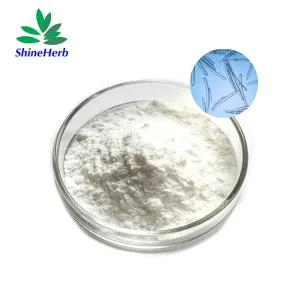
Best High quality Hydrolyzed Sponge Cosmetics Raw Material Sponge Spicule Supplier, Company
View Product Specs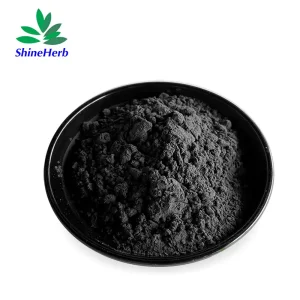
Best High Purity Fullerene C60 Cosmetic Grade wholesale Companies, Factories
View Product Specs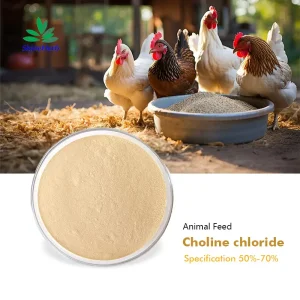
Best Choline Chloride Animal Feed Grade Corn COB 60% for Promoting Animal Growth Suppliers, Company
View Product Specs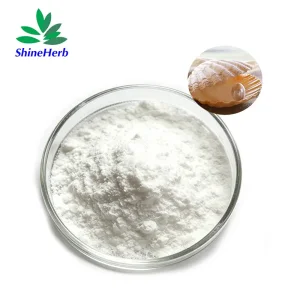
Best 100% Water Soluble Pearl Powder Cosmetic Food Grade Hydrolyzed Pearl Powder Manufacturers, Factories
View Product Specs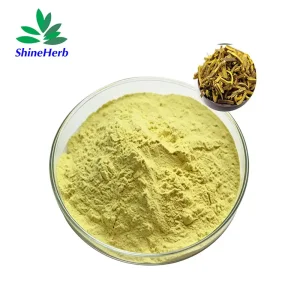
China Natural Plant Extract Berberine HCl 97% Berberine Sulfate 98% Supplier, Companies
View Product Specs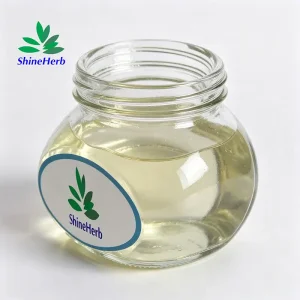
Wholesale High Purity D-Panthenol Vitamin B5 Liquid For Skincare Ingredient Exporters, Factories
View Product Specs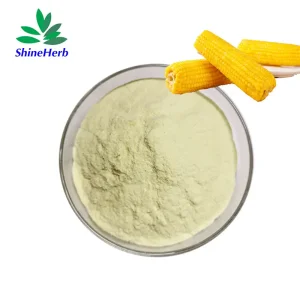
Best Food Grade Corn Protein Peptide Natural Corn Extract 80% Protein Supplier, Exporter
View Product Specs
Best Factory Supply CAS 23111-00-4 Nicotinamide Riboside Chloride for Dietary Supplement Suppliers, Supplier
View Product Specs