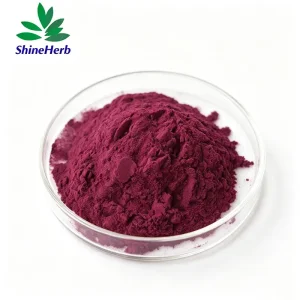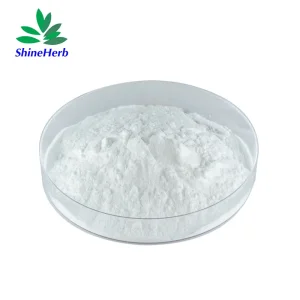
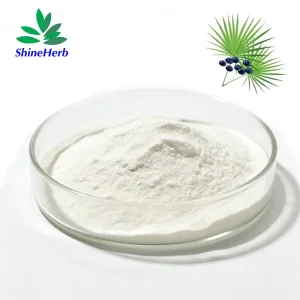
Wholesale Natural Saw Palmetto Extract 25% 45% Fatty Acids Powder
Verified analytical profiles tested under USP, EP, and FCC monographs. Instant factory-direct dispatch with complete lot validation documentation.
Understanding the molecular fingerprint, seed-derived mucilage kinetics, and alkaloid-control protocols critical for formulation efficacy and consumer safety.
Mimosa pudica Linn. (Fabaceae family), commonly referred to as the touch-me-not or sensitive plant, demands precise differentiation between seed extracts and whole-herb/aerial fractions. Commercial formulations targeting intestinal motility and gut mechanical cleansing leverage the high swelling factor of seed-derived mucilage polysaccharides (D-xylose and D-glucuronic acid complexes).
The principal technical challenge in industrial Mimosa pudica processing is managing mimosine (beta-[N-(3-hydroxy-4-pyridone)]-alpha-aminopropionic acid). While offering antimicrobial and cytotoxic research utility, uncontrolled mimosine can disrupt cellular protein synthesis. Modern processing plants use calibrated thermal-enzymatic extraction steps to control mimosine levels within strict safety thresholds.
Factories supply multiple market-oriented variants, ranging from crude whole-seed powdered matrices with native cross-linked mucilage to hydro-ethanolic extracts standardized for bioflavonoids (avicularin, quercetin-3-O-alpha-L-rhamnoside). Selecting the appropriate ratio determines whether a batch behaves as a gut-cleansing bulk hydrogel or a low-dose cellular antioxidant.
| Analytical Assay Parameter | Food / Dietary Grade Spec | Nutraceutical Active Grade Spec | Primary Methodology |
|---|---|---|---|
| Identity / Botanical Authenticity | Conforms to Mimosa pudica L. | TLC / HPTLC Rf match against reference | HPTLC / DNA Barcoding (USP <203>) |
| Mimosine Content (HPLC) | Controlled (<1.0% w/w) | Standardized (<0.2% or Custom Spec) | Reverse-Phase HPLC-DAD (280 nm) |
| Swelling Index (Seed Fraction) | ≥ 12 mL/g | ≥ 20 mL/g (High-Mucilage Fraction) | European Pharmacopoeia (EP 2.8.4) |
| Loss on Drying (LOD) | ≤ 8.0% | ≤ 5.0% | Vacuum Oven Drying at 105°C (USP <731>) |
| Total Heavy Metals (Pb, As, Cd, Hg) | ≤ 10.0 ppm combined | Pb ≤ 0.5 ppm, Cd ≤ 0.5 ppm, As ≤ 1.0 ppm | ICP-MS (USP <232> / <233>) |
| Microbiological Limits (Total Aerobic) | ≤ 10,000 CFU/g | ≤ 1,000 CFU/g; Absence of Salmonella/E.coli | USP <2021> / <2022> Microbiological Exam |
From automated extraction cycles to closed-loop solvent recovery: why tier-1 CDMOs partner with advanced Chinese manufacturing infrastructure.
Traditional batch boiling can thermal-degrade native mucilage and alter polysaccharide chains. Modern Chinese processing centers use multi-stage continuous countercurrent extraction (CCE), reducing heat exposure by 65% and delivering higher yields per metric ton of raw seed input.
Real-time Process Analytical Technology (PAT) coupled with Distributed Control Systems (DCS) continuously monitors temperature, pH, pressure, and brix indices. Automated in-line measurements eliminate human error and safeguard lot-to-lot consistency.
Spray drying Mimosa Pudica mucilage requires tight inlet/outlet temperature curves to preserve bioadhesion without scorched polymer fines. Multi-stage drying units in Class 100,000 (ISO 8) environments yield free-flowing, non-clumping powder with tight bulk-density spreads.
Raw plant availability swings are mitigated through contracted Good Agricultural Practices (GAP) cultivation bases across Southern China and Southeast Asia. Centralized storage, mechanized de-hulling, and direct rail/sea hub proximity insulate downstream buyers from spot-market spikes.
Addressing common manufacturing hurdles: sticky powder encapsulation, cross-contamination, dissolution variability, and label-claim substantiation.
Brand buyers formulation focus: Gastrointestinal cleansing protocols require a physical action where Mimosa Pudica mucilage expands in the intestinal lumen to mechanically bind debris, bio-slimes, and luminal micro-organisms without synthetic purgatives. Consistent bulk density and high hydration index are essential to avoid premature in-stomach gelling.
Because whole-seed powders can be cut with cheap hydrocolloids (guar gum, cassia gum, psyllium fines), factory-audited brands require orthogonal authentication. We verify identity through microscopic histology, TLC fingerprinting against botanical voucher specimens, and high-performance size-exclusion chromatography (HPSEC) for mucilage carbohydrate mass validation.
Unprocessed Mimosa pudica seed powder is naturally hygroscopic, which can cause machine jamming, bridging in hoppers, and inconsistent capsule fill weights. Our engineering team supplies specialized granulations and customized flow aids (silica-free organic options available) designed for high-throughput automatic encapsulation machinery.
Exploring delivery platforms, green solvent innovations, and molecular purification systems designed for clinical-grade dietary and cosmetic applications.
To improve systemic bioavailability of lipophilic flavonoids and polyphenols isolated from Mimosa pudica leaves, researchers are complexing extracts with non-GMO sunflower phosphatidylcholine. This increases cellular uptake through intestinal enterocyte membranes by an estimated 3.8-fold compared to uncomplexed material.
Replacing traditional organic ethanol/solvent protocols, subcritical water extraction alters water dielectric properties by tuning temperature (100°C–220°C) under high pressure. This technique selectively pulls bioactives while preventing toxic effluent, yielding 100% clean-label, solvent-free botanical fractions.
By spray-coating bulk mucilage fractions with pH-sensitive plant-origin polymers (sodium alginate / ethylcellulose cores), the active hydration point bypasses gastric acidity completely, triggering expanding hydrogel mechanics selectively at intestinal pH (≥ 6.5).
Streamlining clearance processes across FDA (21 CFR Part 111), EFSA Novel Food considerations, Health Canada NHP guidelines, and Middle East import mandates.
Every industrial release is accompanied by a batch-specific Certificate of Analysis (COA), Technical Data Sheet (TDS), Safety Data Sheet (MSDS per GHS), Process Flow Chart, and Allergen declarations (complying with FALCPA).
Continuous testing protocols monitor California Proposition 65 heavy metal thresholds, ethylene oxide (EtO) sterilization limits (zero usage, non-irradiated verified upon request), polycyclic aromatic hydrocarbons (PAH4), and aflatoxins/mycotoxins.
Manufacturing sites are verified under ISO 9001, ISO 22000, HACCP, Halal (MUI & JAKIM recognized), and Kosher requirements, simplifying internal QA vendor-qualification audits for international dietary brands.
Comprehensive customs declarations under exact HS codes (HS 1302.19 botanical extracts), preferential tariff documentation (Form E, RCEP origin proofs), and temperature-monitored sea/air pallet configurations.
Complementary nutraceutical and cosmetic raw materials available for multi-container mixed logistics and supply consolidation.
Wholesale Shineherb Magnesium L-Threonate Sleep Support Raw Material
Best High-Quality Glucosamine Sulfate 2KCl Joint Health Supplement
Buy Natural Huperzine Powder CAS 102518-79-6 Huperzia Serrata Extract
Buy Glucosamine Hydrochloride Glucosamine HCl Bulk Wholesale
Wholesale High Quality Collagen Peptide Hydrolyzed Fish & Bovine
Wholesale Anti-Aging Raw Material Akk Probiotics Akkermansia Muciniphila
Best Wholesale Cosmetic Grade Carbomer 940 Powder CAS 9003-01-4
Essential operational insights covering MOQ brackets, analytical verification methods, swelling index quantification, and international sample testing.