Featured Industrial Botanical & Biochemical Actives
Tested against USP, FCC, and EP analytical monographs with lot-traceable release documents and third-party laboratory verification.
Wholesale Glycine 99% High Purity Food/Pharmaceutical/Feed Grade
Request Specification
Peptone Powder High Quality Animal Source Hydrolyzed Actin
Request Specification
EDTA Calcium Disodium 99% Food Grade Manufacturer Bulk Supply
Request Specification
Methylsulfonylmethane MSM Powder 99.9% USP Grade CAS 67-71-0
Request Specification
Ascorbyl Glucoside Cosmetic Grade CAS 129499-78-1
Request Specification
Magnesium Glycinate Food Grade Wholesale Chelate Active
Request Specification
L-Cysteine Hydrochloride Anhydrous CAS 52-89-1 Dietary Grade
Request Specification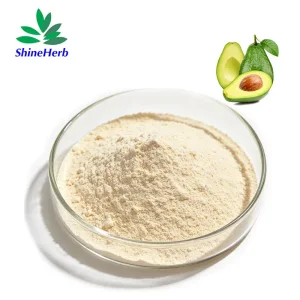
Natural Avocado Soybean Unsaponifiables Extract ASU Powder
Request SpecificationEvaluating the Best Beet Red Powder Companies: The Science of Betalains
Navigating pigment degradation thresholds, standardized UV-Vis/HPLC quantification, and natural red food colorant safety parameters.
Molecular Integrity of Betanin
Beet red pigment (E162, CAS 7659-84-9) consists predominantly of betanin and isobetanin. Top-tier manufacturers utilize low-temperature membrane filtration and vacuum evaporation under 45°C to prevent thermal degradation into neobetanin and betalamic acid, preserving peak absorbance at 538 nm.
Carrier Optimization & Maltodextrin Controls
Commercial spray-dried beet root powders typically range from 0.4% to 1.5% standardized betanin content. High-level industrial producers utilize pharmaceutical-grade non-GMO carrier matrices (corn or tapioca derived) with water activities below 0.25 Aw to eliminate lumping and prevent moisture-induced color fading.
Pharmacopoeial Grade Microbial Controls
Because Beta vulgaris grows underground, soil-borne microbial contaminants pose serious risks. Global leaders implement non-thermal electronic sterilization, steam-flash sanitization, and heavy metal testing via ICP-MS, assuring compliance with European Pharmacopoeia (EP) heavy metal benchmarks.
Strategic Manufacturing Advantages of Chinese Beet Red Facilities
Examining raw agricultural clusters, large-scale continuous extraction loops, and export infrastructure efficiencies.
Regional Agricultural Belts
Chinese processors harvest from vast non-GMO beet agricultural reserves across Inner Mongolia, Xinjiang, and Northeast China. Long daylight hours and pronounced day-night temperature swings yield crops with naturally elevated active betanin densities and low agricultural nitrate imbalances.
Continuous Multistage Extraction Lines
Tier-1 Chinese factories leverage high-throughput centrifugal filtration, continuous multi-effect falling-film evaporation, and dynamic cryogenic drying suites. These technological innovations drive down per-kilogram thermal stress while maintaining substantial economies of scale.
Export Documentation and Regulatory Support
Top enterprises provide complete audit-ready dossiers including HPLC chromatograms, full microbial plates, non-irradiation declarations, allergen controls, BSE/TSE statements, and Kosher/Halal certifications to support overseas customs clearance.
Macro Trends Reshaping Beet Red Powder Procurement
Clean-label mandates, synthetic Allura Red (Red 40) bans, and nitric oxide functional sports nutrition expansions.
| Procurement Pillar | Legacy Industry Standard | Next-Generation Paradigm | Competitive Impact |
|---|---|---|---|
| Colorant Substitution | Synthetic azo-dyes (Red #40, Tartrazine, Carmoisine). | Standardized E162 Beet Red powder with buffered acidity. | Eliminates mandatory EU hyperactivity warning labels on child-oriented confections. |
| Functional Ergogenic Bioactives | Unstandardized whole-root agricultural powder with varying nitrates. | Dual-standardized betanin (color) + inorganic dietary nitrates (NO3-). | Accelerates uptake across pre-workout, endurance drink, and heart health formulas. |
| Carrier Alternatives | Standard GMO high-DE corn maltodextrin (15-20 DE). | Non-GMO low-DE tapioca, organic acacia fiber, or carrier-free vacuum granules. | Satisfies strict organic, 100% natural, and hypoallergenic label claims. |
| Quality Assurance & Audits | Basic merchant COA and sensory identification. | Full lot traceability: HPLC fingerprinting, isotopic adulteration tests, and heavy metal screens. | Protects international brand equity against regulatory product recalls. |
Application Profiles: Optimizing Performance in Formulations
Overcoming pH sensitivity, thermal vulnerability, and oxidation challenges in commercial processing lines.
Beverages & Ready-to-Mix Drinks
Beet red yields vivid bluish-red to pink hues in the optimal pH 4.0–6.0 range. In low-pH formulations (pH < 3.5), ascorbic acid or isoascorbic acid synergies are deployed to prevent oxidation and stabilize the red tone through extended retail shelf life.
Dairy, Frozen Desserts & Yogurts
Because frozen and refrigerated matrices undergo minimal post-pasteurization thermal shock, beet red powder exhibits exceptional stability in ice creams, flavored milk, and yogurts, replacing synthetic FD&C pigments without chemical undertones.
Confectionery, Gummies & Extruded Snacks
In pectin, gelatin, or agar gummies, high-temperature dwell times must be monitored closely. Top manufacturing partners introduce spray-dried beet extracts during the cool-down stage (below 70°C) directly prior to deposition, preventing color conversion to dull brown.
Plant-Based Meat Analogues
Beet red provides an authentic raw beef color that breaks down thermally during frying or grilling. This controlled degradation reproduces the visual "bleeding to brown cooked" color change desired in premium plant-protein burgers and sausages.
Frequently Asked Questions: Global Sourcing & Quality Audit
Addressing technical inquiries from QA managers, procurement directors, and regulatory specialists.
What are the key technical criteria for selecting the best Beet Red Powder manufacturers?
Auditing the best beet red powder suppliers requires looking beyond pricing per kilogram. Leading criteria include: (1) Active betanin assay verification using validated spectrophotometric or HPLC methods, (2) Low-temperature extraction technology that minimizes thermal marker impurities such as neobetanin, (3) Water activity control below 0.25 to prevent clumping, (4) Heavy metal testing (As, Pb, Cd, Hg) via ICP-MS meeting European Pharmacopoeia limits, and (5) Certification compliance including ISO 9001/22000, FSSC, Kosher, and Halal.
How does E162 Beet Red powder compare to Carmine (E120) and synthetic Red 40?
Carmine (E120) is derived from cochineal insects, making it unacceptable for vegan, vegetarian, Kosher, and Halal certified products. Red 40 (Allura Red) is an azo-dye subject to restrictive warning labels in the European Union. Standardized Beet Red powder (E162) is 100% plant-derived, non-allergenic, clean-label compliant, and globally approved across food and dietary supplement regulatory frameworks.
What factors affect the color stability of Beet Red extract in finished formulations?
Betanin degradation is primarily driven by temperature, pH shifts, oxygen contact, and prolonged light exposure. Betanin is most stable between pH 4.0 and 6.0. Formulators can stabilize the pigment in industrial lines by avoiding thermal dwell above 75°C, using nitrogen-purged packaging, and pairing it with natural antioxidants such as ascorbic acid, citric acid, or rosemary extract to chelate pro-oxidant trace metals.
What is the difference between raw Beet Root powder and standardized Beet Red extract?
Raw whole-root beet powder is simply dehydrated and milled beet root, containing fibrous pulp, starches, native sugars, and variable betanin amounts (often <0.2%). Standardized Beet Red extract powder undergoes juice extraction, clarification, microfiltration to remove insoluble fiber, concentration, and precision spray-drying with a carrier to yield consistent betanin potencies (0.4%–1.5%+), high water solubility, and reproducible coloring strength (E1% 1cm value).
How do Chinese manufacturing facilities maintain stable international lead times?
Established Chinese extraction plants mitigate supply shocks by anchoring operations adjacent to major agricultural belts with climate-controlled cold storage. Automated multi-line continuous spray drying infrastructure provides flexibility during high-demand crop seasons. International logistics hubs in Shaanxi and coastal ports offer rapid export documentation, ensuring standard sea freight departs within 7–14 days of purchase order confirmation.
Explore Allied Functional Nutrients & Fine Chemicals
Consolidate freight and streamline supplier qualification across high-purity vitamins, amino acids, and plant extracts.
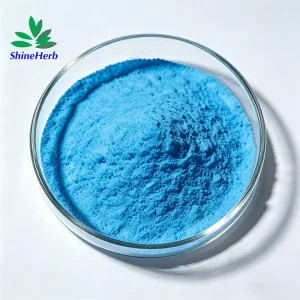
Copper Gluconate Powder Bulk Food Grade CAS 527-09-3
Request Specification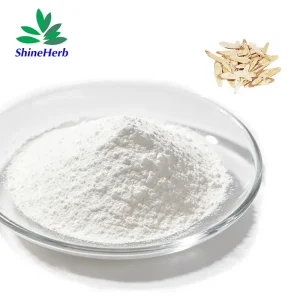
Astragalus Extract 98% Cycloastragenol Anti-Aging Active
Request Specification
L-Hydroxyproline CAS 51-35-4 Food Additive Grade Active
Request Specification
Food Grade L-Threonine Powder Amino Acid Raw Material
Request Specification
Spirulina Powder & Natural Spirulina Tablet Direct Bulk Supply
Request Specification
L-Tyrosine Powder Amino Acid for Dietary Supplements
Request Specification
Sodium Taurocholate CAS 145-42-6 Pharma Intermediate Supply
Request Specification