Choosing a reliable Ashwagandha Extract supplier in China takes more than comparing prices or reading a polished product page. Buyers need clear answers about botanical identity, plant part, extraction method, and the stated withanolide level. Details matter. A root extract and a leaf extract are not interchangeable, and extraction ratios can be presented in different ways.
Ask for a current specification sheet, batch-specific certificate of analysis, and information on testing methods. Check whether testing covers identity, active markers, heavy metals, pesticides, and microbiological quality. Independent laboratory results can help verify supplier documents. Still, a complete file does not remove every uncertainty. Methods and reporting formats may differ, so unclear results deserve follow-up.
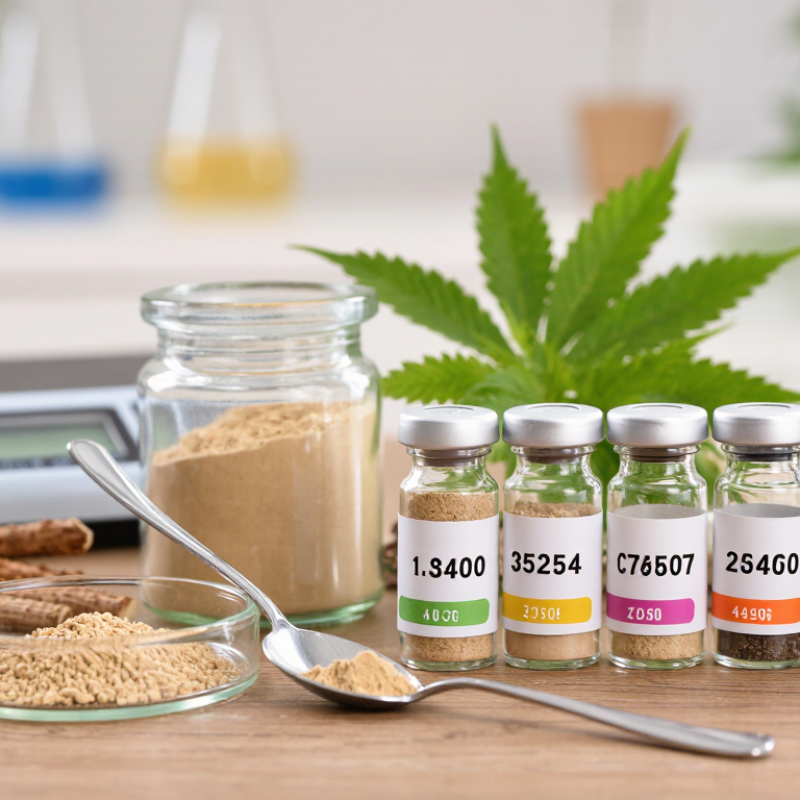
Supplier audits, traceability records, and consistent batch data can reveal how a company manages quality beyond its sales claims. Look for practical evidence: labeled sample containers, readable lot numbers, and documents that match the product being offered. Request a representative sample before making a larger commitment. It is a small step, but it can expose differences in color, odor, or solubility that paperwork may not show.
Global buyers should also confirm packaging, storage conditions, lead times, and export documentation before placing an order. Import requirements vary by destination and product use, so buyers should verify applicable rules with qualified local advisers. No single supplier is right for every market. The best choice is the one whose quality controls, communication, and records withstand careful review—not merely the one promising the fastest shipment.
Ashwagandha (Withania somnifera) is a shrub whose roots have a long history of use in traditional wellness practices. Manufacturers dry and process the plant material into powders or concentrated extracts. Some products also use leaves, so the plant part should be clearly identified. Extracts are often standardized by their withanolide content, a group of naturally occurring compounds. That figure can help buyers compare batches, but it does not guarantee identical effects. Extraction method, plant source, and testing matter too. Ask suppliers for identity, potency, and contaminant test results. Good paperwork matters.
People commonly take ashwagandha in capsules or mix its powder into drinks. Research has examined possible effects on stress and sleep, but results vary, and the evidence is still developing. The evidence is promising in places, but not neat. It should not be treated as a replacement for medical care. Some people experience stomach upset or drowsiness, and the extract may interact with medicines or be unsuitable in certain health circumstances. Anyone considering regular use should discuss it with a qualified healthcare professional, especially when taking medication or managing a health condition. Dosage and extract strength differ, so a serving from one product may not match another.
A reliable supplier should be able to identify the plant material and explain how each extract is made. Ask for the botanical name, plant part, extraction solvent, and extract ratio. These details help buyers compare products that may otherwise look similar on a specification sheet. Clear answers matter.
Testing should cover identity, active constituents, microbial limits, heavy metals, pesticides, and residual solvents, where relevant. Request a batch-specific certificate of analysis, not only a generic sample. Check whether results come from qualified laboratories and whether test methods are stated. A neat document is not proof by itself.
Traceability is just as important. Suppliers should link finished batches to raw-material records, production dates, and storage conditions. Look for sealed, moisture-resistant packaging and ask how stability is monitored during shipping. Details can be missed. Even a careful audit cannot remove every uncertainty, so independent checks may be sensible for higher-risk purchases. I would also compare specifications against the intended product and local market requirements, rather than treating one standard as universal. Some suppliers may have strong paperwork but limited consistency across harvests; buyers should review several batches before making long-term plans.
Evaluating Chinese ashwagandha extract suppliers starts with the plant material, not a polished product page. Ask for the botanical name, plant part, origin, and extraction method. Root-only material and root-and-leaf material are not interchangeable. Request a recent certificate of analysis for the specific batch, including withanolide results, test methods, and contaminant screening. A neat certificate is not proof by itself. Check whether an independent laboratory can verify key results, and compare sample data with the supplier’s written specifications.
Good documentation should connect each lot to production records and a clear shipping label. Ask how the supplier controls moisture, storage temperature, and shelf life; these details matter when material travels long distances. Request a sample and inspect its color, odor, and powder consistency, but do not treat appearance as a quality test. I would not overvalue a polished website. It is easy to do. Instead, speak with technical staff and ask direct questions about solvent removal, change control, and rejected batches. A slow or incomplete answer may be more revealing than a sales presentation. Keep the evaluation practical: record what was tested, by whom, and against which agreed specification.
For global buyers, selecting an ashwagandha extract supplier means checking more than price and concentration. Import rules differ by market, and botanical ingredients may be treated differently across countries. Confirm the product’s permitted use and required documentation with the destination country’s competent authorities or qualified regulatory advisers. Do not assume one export file works everywhere. Details matter.
Request a current certificate of analysis that identifies the botanical material and reports relevant specifications, such as withanolide content, microbial limits, heavy metals, and residual solvents. Check that the batch number matches the label and shipping documents. Ask for traceability records, country-of-origin details, and information on manufacturing controls. For each shipment, verify which documents the importer needs, such as a commercial invoice, packing list, certificate of origin, or additional permits. Requirements can depend on product form and destination. Small inconsistencies can cause delays.
Claims on labels and marketing materials deserve careful review. A description accepted in one market may not be suitable in another, especially when it implies a health benefit. Share draft wording with your local compliance team before printing. Suppliers should answer questions clearly and provide records promptly. Still, paperwork alone cannot prove every quality detail; buyers should consider independent testing when risk or shipment value warrants it. Some checks take time, and that is inconvenient. It is also prudent.
A high-level comparison of whether product authorization or listing is generally required before sale under the specified product category.
How to read: “Generally required” indicates pre-market authorization or listing for the product category named. U.S. dietary supplements generally do not require FDA pre-market approval; specific ingredients may trigger additional requirements. Canadian natural health products require a product licence, and Australian complementary medicines generally need inclusion in the ARTG before supply. Confirm classification and current requirements for each product and destination.
Sources: U.S. FDA · Health Canada · Australian TGA
Long-term sourcing starts with evidence, not a low quotation. HerbalGram’s 2023 market report put U.S. herbal supplement sales at about $12.2 billion in 2022, up 9.7%. The figure reflects retail sales, not global demand, but it signals a competitive category. Buyers should test whether a supplier can maintain the same botanical identity, extract specifications, and delivery schedule across repeat orders.
Request batch-specific certificates of analysis and verify key results independently. For ashwagandha extract, compare the declared plant part, extraction solvent, extract ratio, and withanolide assay method. Ask for testing records covering heavy metals, pesticides, microbes, and residual solvents. A neat certificate is not proof by itself. Check that laboratory methods and sample identifiers are clear, and review traceability from incoming raw material to finished batch. Ask how the supplier handles crop shortages and specification changes.
Visit the production site when practical, or arrange a qualified third-party audit. Review quality procedures, complaint handling, and change-control records, not just certificates on a sales sheet. Confirm capacity with a small qualification order before setting annual volumes. Keep a retained sample from each approved lot. Even careful checks have limits; botanical crops vary with season and origin. Put agreed tolerances, notice periods, and corrective actions in writing. That detail can feel slow. It is useful when a shipment differs.
| Evaluation Area | What to Specify or Verify | Evidence to Request | Why It Matters for Long-Term Sourcing |
|---|---|---|---|
| Botanical identity and plant part | Confirm the botanical name, Withania somnifera (L.) Dunal, and clearly state whether the extract uses root, leaf, or a defined combination. | Product specification, supplier declaration, and identity test results for the relevant raw material or finished extract. | Plant part and identity affect the composition and intended use of the ingredient. Do not treat root and leaf extracts as interchangeable. |
| Extract definition | Document the native extract ratio or drug-extract ratio where available, extraction solvent, carrier ingredients, and whether the product is a native extract or a formulated extract. | Technical data sheet, manufacturing description, and written confirmation of carriers and processing aids. | Clear process and composition information supports consistent specifications, accurate labeling, and comparisons between lots. |
| Withanolide specification | Agree on a withanolide assay range and define which compounds are included in the stated total, along with the test method and calculation basis. | Lot-specific certificate of analysis (COA) showing the result, method, units, and whether the result is reported on an as-is or dry basis. | “Withanolides” can refer to different analytical definitions. A documented method makes results more meaningful and comparable over time. |
| Analytical testing | Confirm that identity and active-marker testing use fit-for-purpose methods, such as chromatographic methods where appropriate. | Test reports with methods, specifications, results, and laboratory details; ask whether key tests are performed by an ISO/IEC 17025-accredited laboratory. | Transparent methods and qualified laboratory oversight improve confidence in the data. Accreditation applies to a laboratory’s defined scope, not automatically to every test it performs. |
| Contaminant controls | Set destination-market-appropriate limits and testing plans for heavy metals, pesticides, residual solvents, and microbiological hazards. | Recent lot-specific results, test methods, and the applicable specification or regulatory limits used for release. | Requirements vary by product type and destination market. Agree on the limits and test frequency before placing repeat orders. |
| Batch traceability | Require each shipment to be linked to a lot number and documented production and raw-material records. | Lot-specific COA, batch identification on packaging, traceability procedure, and a description of the recall process. | Traceability helps buyers investigate quality issues and manage recalls or customer complaints efficiently. |
| Quality management and manufacturing controls | Assess the quality system, process controls, change management, sanitation, and supplier qualification practices relevant to the product. | Current certifications, audit information, quality procedures, and any applicable manufacturing compliance documentation. | Certificates should be checked for scope, site, validity, and relevance to the product. A certificate alone does not replace buyer qualification. |
| Regulatory and market documentation | Identify the destination country and intended product category, then confirm that ingredient, labeling, and claims requirements are addressed for that market. | Ingredient and allergen statements, product specifications, safety documentation, and supporting records for any proposed claims. | Regulatory status and claim rules vary by jurisdiction and product category. Buyers should verify requirements with qualified regulatory advisers before marketing. |
| Organic or other certification claims | Request certification only when the ingredient is intended to carry the relevant claim and the applicable program covers the product and supply chain. | Valid certificate and scope information from the applicable certification program, including the certified site and product where relevant. | Do not rely on a general organic statement without checking that the certification and chain-of-custody documentation support the intended market claim. |
| Packaging, storage, and shelf life | Agree on protective packaging, storage conditions, shelf-life basis, and any transport precautions specified for the ingredient. | Packaging specification, labeled storage instructions, shelf-life support, and shipment documentation. | Consistent packaging and storage practices help protect product quality during international transport and warehouse handling. |
| Supply continuity and change control | Discuss capacity, forecast planning, seasonal or raw-material constraints, lead-time expectations, and advance notice of changes to process or specification. | Written supply terms, change-notification procedure, and agreed forecast and order-confirmation process. | Documented expectations reduce disruption and help buyers plan repeat orders without assuming that capacity or lead times are fixed. |
| Commercial terms and sample approval | Confirm MOQ, pricing basis, payment terms, Incoterms, sample process, and the acceptance criteria for commercial lots. | Quotation, approved sample record, final product specification, and purchase-order terms. | Written terms and an approved reference sample help align expectations before routine purchasing begins. |
Ask for the botanical name, plant part, origin, and extraction method. Root-only and root-and-leaf extracts are not interchangeable.
Request a recent certificate of analysis for the specific batch. It should report withanolide results, test methods, and relevant contaminant screening.
No. Check whether an independent laboratory can verify key results. Compare sample data with the supplier’s written specifications. Paperwork has limits.
Ask how each lot connects to production records and shipping labels. Confirm moisture controls, storage temperature, and shelf life.
No. A sample’s color, odor, and powder consistency can be noted, but they are not quality tests. A tidy-looking powder proves little.
Ask about solvent removal, change control, and rejected batches. Clear, specific answers matter more than a polished sales presentation.
Requirements depend on the destination and product form. Documents may include an invoice, packing list, certificate of origin, or additional permits. Confirm locally.
Check that batch numbers match labels and shipping documents. Have local compliance staff review draft claims before printing. Some checks take time. Still worthwhile.
Ashwagandha Extract is used in a range of wellness products, so global buyers should understand the intended application, extract specifications, and documentation needed before sourcing. A dependable supplier should be able to explain its quality controls, including identity and purity testing, batch consistency, traceability, and suitable storage and packaging practices. Clear specifications and complete test records help buyers assess whether a product meets their requirements.
When evaluating Chinese suppliers, compare their manufacturing capabilities, communication, quality systems, and experience serving export markets rather than relying on price alone. Confirm that product documentation, labeling, and shipping paperwork align with the destination market’s applicable requirements, and seek appropriate independent verification when needed. A careful qualification process, transparent agreements, and ongoing batch review can help build a stable long-term sourcing relationship.
